

The Truth About Tirah and Kurram
Pakistan arrives at the World Economic Forum 2026 in Davos with a clear economic brief: grow investment, deepen trade links, and build regional stability through cooperation. Yet at the same moment, the Pashtun Tahafuz Movement (PTM) is trying to turn Pakistan’s domestic security challenges into an international controversy. That choice matters. When a movement takes selective claims abroad instead of pursuing remedies through courts, parliament, or recognized legal forums at home, it does not just criticize policy; it pressures the state’s sovereignty and clouds the reality of a difficult counterterrorism fight.
No country can discuss growth and jobs honestly while ignoring the security environment that shapes investor confidence and public safety. Pakistan faces cross-border terrorism, insurgent networks, and illegal flows that exploit porous terrain. These are not abstract threats. They translate into attacks on civilians, targeted killings, extortion, and attempts to carve out space for armed groups. In this context, security operations are not optional theatre.
They are a constitutional duty, and they must be judged on what they aim to stop, how they are conducted, and how civilians are protected
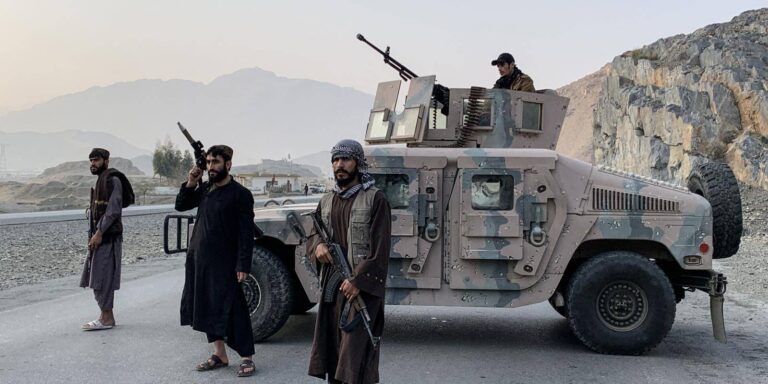
Operations in areas like Tirah Valley and Central Kurram are often portrayed by PTM as ethnic targeting. That claim collapses the moment you look at the basic structure of such operations. They are intelligence-driven, time-bound, and designed to neutralize armed militants, not punish communities. The target is violence, not identity. Pashtun citizens are not an “other” to the Pakistani state; they are part of its social fabric, its politics, and its institutions. If Pakistan’s intent were ethnic coercion, it would show up in policy, law, and representation. Instead, Pashtuns serve across the military, judiciary, civil services, and political leadership at senior levels, shaping decisions rather than merely enduring them.
Civilian protection is not just a slogan in these operations; it is a practical method. Where active combat risks noncombatant harm, temporary relocation becomes a protective tool. The crucial detail, often omitted in outside campaigns, is local consent. In many cases, jirgas and community consultations help set the terms of evacuation, routes, timing, and basic needs. That is not the model of a state hunting an ethnicity.
It is the model of a state trying to separate civilians from militants who hide among them, while limiting harm and restoring order
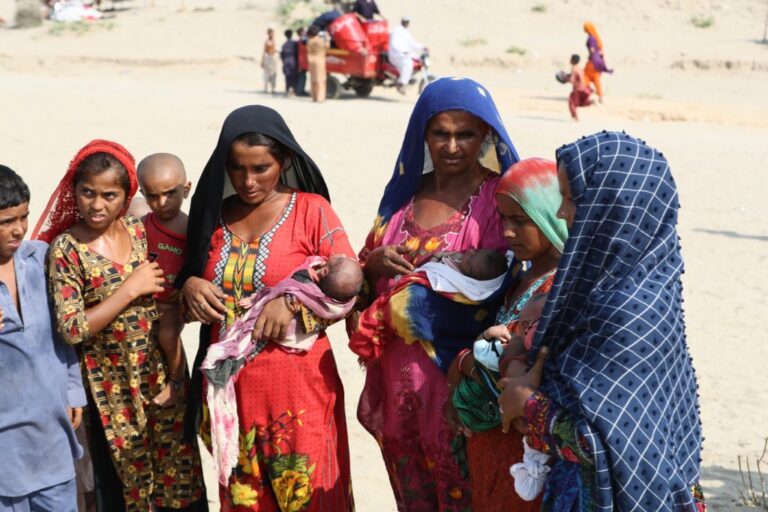
Displacement, when it happens, must be assessed with honesty. It is disruptive, frightening, and costly for families. But disruption does not automatically mean punishment. A temporary, organized evacuation with a return plan is fundamentally different from forced, open-ended expulsion. In Kurram and Tirah, evacuations have been presented as structured processes, with timelines, secured travel, and phased returns once stabilization is achieved. Assistance, including cash support, food distribution, medical access, and reconstruction help, signals a protective intent. The real test is whether people can return safely, and whether the state bears responsibility for relief. The presence of compensation frameworks and return planning is evidence of a state trying to limit suffering, not normalize it.
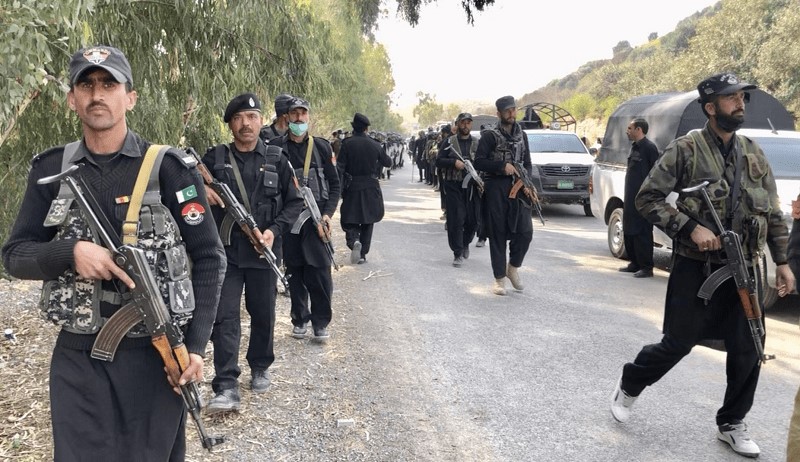
The role of security forces during these movements is also often flattened into a single accusation: coercion. But route security, escorting convoys, medical support, and logistics are not “occupation tactics.” They are basic requirements if the state is serious about protecting lives during a high-risk operation. A militant threat does not pause just because civilians are moving. If anything, movement can be the moment of greatest vulnerability.
When the military and police secure roads, facilitate aid, and coordinate returns, they are acting in line with a protective mandate
PTM’s narrative also tends to erase the main driver of instability: Khwarij terrorism, TTP activity, and cross-border insurgency. Civilian displacement does not begin because Pakistan wants headlines or control. It begins because armed groups embed themselves in populated areas, booby-trap routes, attack checkpoints, and threaten locals who refuse to comply. Any honest human rights discussion must include the rights of civilians to live without terror, and the right of the state to stop armed groups that murder teachers, traders, elders, and police. Ignoring that core threat while amplifying only state actions is not advocacy; it is propaganda by omission.
Legal and humanitarian compliance should be the common standard, not a slogan used only when convenient. Pakistan’s constitution obliges the state to protect life and maintain order, and international humanitarian norms emphasize distinction, proportionality, and civilian care. Temporary relocation tied to clear security aims, coupled with compensation, relief, and planned returns, fits within lawful and ethical conduct when conducted transparently and without abuse.
If allegations arise, the credible path is evidence, due process, and institutional review, not soundbites delivered abroad at moments chosen for maximum diplomatic pressure
The question of Afghan migration also sits inside this security reality. Pakistan has hosted millions of Afghans for decades, often with limited international burden sharing. Still, every sovereign state has the authority and the responsibility to regulate borders under its laws, including the Foreigners Act and the Passports Act. Managing illegal crossings, tightening documentation, and enabling safe, voluntary repatriation are not acts of ethnic hostility. They are basic border governance, especially when militant networks exploit undocumented movement. The humane standard is clear: no collective abuse, respect for dignity, and orderly procedures. But the sovereign standard is also clear: the state decides who may enter and remain.
Pakistan’s message in Davos should be confident and factual. A country pursuing economic reform cannot be asked to surrender its right to defend its citizens. The truth is not that Pakistan is waging war on Pashtuns. The truth is that Pakistan is waging a hard campaign against terrorism while trying to reduce civilian harm, organize temporary relocations when necessary, and restore normal life as quickly as conditions allow. PTM’s attempt to reframe lawful security measures as systematic oppression may score attention abroad, but it does not help the people it claims to represent. What protects civilians is not international theatrics. It is peace, the rule of law, and a firm defense of Pakistan’s sovereignty against those who would tear communities apart through violence.

