

UN’s ‘Better Together’ Dream at Risk

UN’s ‘Better Together’ Dream at Risk
Water Conflict as a New Threat to South Asian Peace
When the UN General Assembly opened its 80th session this September with the theme “Better together: 80 years and more for peace, development and human rights,” the idea was simple to remind the world that cooperation is still possible. Yet in South Asia, that message feels painfully out of reach. Instead of building bridges, two nuclear-armed neighbors are now fighting over rivers.
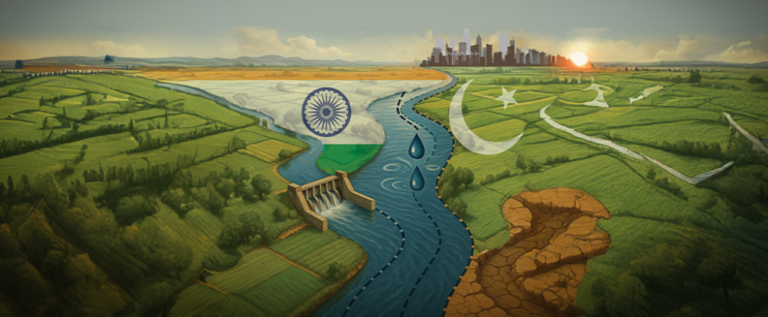
For decades, the Indus Waters Treaty (IWT) stood as a rare example of restraint between India and Pakistan. Even during wars, the agreement was held. It divided the Indus Basin in a way both sides accepted, letting Pakistan rely on the western rivers while India used the eastern ones. It wasn’t perfect, but it worked. That changed in May 2025, when India suspended the treaty. For Pakistan, which depends on these waters for food, drinking supplies, and rural livelihoods, it felt less like a policy dispute and more like an existential threat.

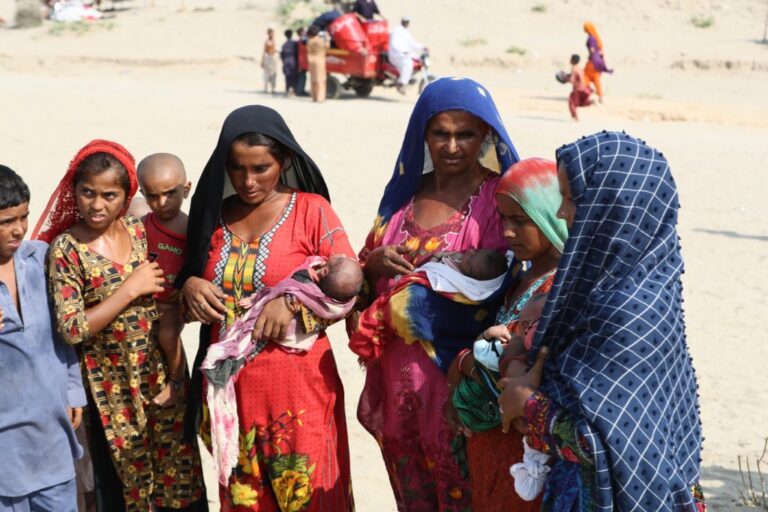
Then came August. After heavy monsoon rains, India released water from its dams into Pakistan’s border areas. The floods displaced over 200,000 people, took lives, and destroyed farmland in Punjab.
Maybe India would say it was a technical necessity, but the timing and scale made many in Pakistan see it as deliberate pressure. In a region already on edge, that kind of move doesn’t just wash away fields. It washes away trust.
South Asia has always been one of the most delicate balances on the planet. Two countries with nuclear weapons, long memories, and short tempers. Adding water to the list of flashpoints makes things even more volatile.
Think about it if a sudden drop in river levels or an unexpected release from a dam is interpreted as hostile, how quickly could that spiral? Mistakes or misread signals in this environment don’t just create humanitarian disasters, they could push both sides toward confrontation.

And it isn’t only about armies and borders. Disrupting water flows puts enormous pressure on ordinary people. Farmers facing ruined crops, families without clean water, whole communities displaced. These are the conditions where resentment grows, where politics hardens, and where the space for dialogue shrinks.
The bigger picture is troubling
If a treaty as durable as the IWT can be tossed aside, what’s to stop other governments elsewhere from sidelining agreements when it suits them? It chips away at the idea that treaties are binding, that rules matter. And if rules don’t matter, we’re in dangerous territory.
What role should the UN play?
The UNGA isn’t going to solve the Indus dispute overnight, but it can set the tone. It can remind members that water is not just a resource, it’s a right recognized under international law. It can point back to the 1997 Watercourses Convention and the principle of fair use. And it can make clear that using rivers as weapons is not just a local issue between India and Pakistan but a challenge to global norms.
Of course, statements alone won’t fix anything. The World Bank, as a guarantor of the treaty, needs to get back in the game and push both sides to restore its mechanisms.

There’s also a bigger conversation to be had in South Asia about shared water management, especially with climate change making floods and droughts more severe. Right now, the region lacks a broader cooperative framework, and the gap is showing.
The choice ahead
At its core, this isn’t only about rivers. It’s about whether South Asia wants to live in constant suspicion or finally build a foundation of trust. Water can either be a lifeline or a weapon. The events of this summer show how quickly it becomes the latter. The UNGA’s theme “Better together” may sound like a slogan, but for Pakistan and India it’s also a warning.
If rivers become instruments of rivalry, the costs won’t just be measured in lost harvests or flooded villages. The costs could be regional stability itself.
For the millions who depend on the Indus every day, cooperation isn’t an abstract principle. It’s survival. And for the rest of the world, it’s a test case. If two nuclear states can’t keep their rivers out of the battlefield, what hope is there for cooperation on even tougher global challenges?
Disclaimer: The views and opinions expressed in this article are exclusively those of the author and do not reflect the official stance, policies, or perspectives of the Platform.

