

Why Climate Cooperation Drives US Pakistan Strategic Ties?

From Floods to Future: Why Climate Cooperation is Central to US Pakistan Strategic Ties
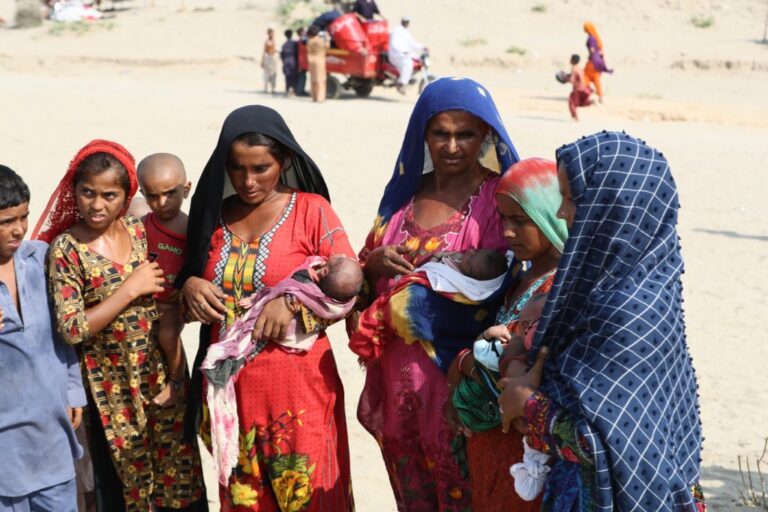
When Pakistan was swallowed by water in 2022, the world saw more than just another natural disaster. Whole towns disappeared, millions of people were uprooted, and the country’s economy, already on shaky ground, was dealt with another crushing blow. That flood was not an isolated event. It was a preview of what Pakistan faces as the climate crisis accelerates. And the truth is, what happens there matters far beyond its borders.
For the United States, this is not only about compassion. Pakistan’s climate vulnerability ties directly to regional security, migration pressures, and economic stability. Ignoring that link is short-sighted.

Why Pakistan’s climate crisis is not just Pakistan’s problem
Geography has not done Pakistan any favors. Glaciers in the north are melting at breakneck speed, while in the south, farmland is drying out. In between lies a river system that sustains hundreds of millions of people but is already showing signs of stress.
Moreover, the pattern is painfully familiar. One year, floods drown entire districts, the next, searing heat scorches crops and cities. Farmers lose livelihoods, urban centers absorb waves after waves of displaced people, and tensions over water sharpen political divides. Likewise, pile on energy shortages and food insecurity, and you get a recipe for instability.

Within Pakistan’s boundaries, that instability is not neatly contained. Washington must therefore address Pakistan’s climate resilience as a security issue rather than merely an environmental one.
What does this mean for the USA
Fortunately, or unfortunately, immediate needs have always influenced US Pakistan relations. Counterterrorism efforts, the war in Afghanistan, and Cold War maneuvering were all transactional and did not create enduring trust. Resetting that could be accomplished through climate cooperation.
It is not about pushing Pakistan into a geopolitical box or outwitting adversaries. In fact, it involves assisting a partner in adjusting to risks that, if disregarded, could cause a 240 million person nation with nuclear weapons to become unstable.
Three clear advantages result for the US. For example, fewer cross-border crises to handle, a stronger Pakistani economy that is less dependent on bailouts, and an opportunity to engage with regular Pakistanis on matters that impact their day to day lives. That final point is more important than Washington occasionally acknowledges.

Where both parties could cooperate
Although there are many needs, there are a few specific areas where US participation would have a significant impact.
- Financing resilience: Pakistan cannot foot the bill for adaptation alone. The US has the leverage to push global lenders and climate funds to step up. It can also encourage private investment in renewables and climate smart infrastructure.
- Agriculture: Pakistan’s food system is fragile. Yields are shrinking, and outdated irrigation practices waste water. US universities and Agri-tech firms could help with drought resistant seeds, modern irrigation, and digital tools for farmers. These aren’t handouts, it’s collaboration.
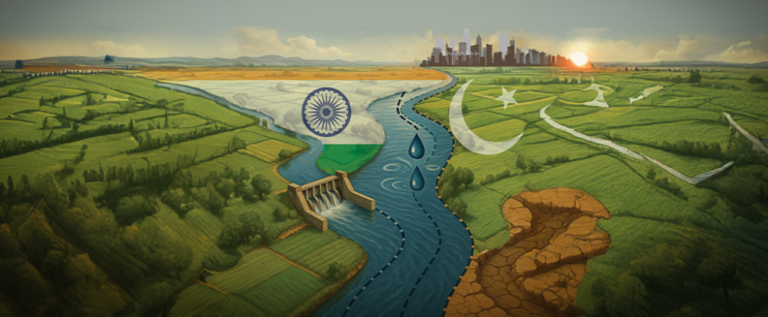
- Water management: This one’s politically sensitive, but unavoidable. Pakistan’s rivers are its lifeline, and poor governance risks both internal unrest and clashes with India. The US has a lot of expertise in basin management and conservation tech. Sharing that could be invaluable. None of these fixes are quick or simple. But each is a step toward a relationship that is not just about crisis firefighting.
A chance to break old habits
US Pakistan ties have been stuck in the same loop for decades. Like moments of intense cooperation, followed by disappointment and drift. However, climate could offer a way out of that rut. By stepping up for Pakistan’s biggest civilian challenge, Washington would be showing up in a way that matters to ordinary people.
This is not about replacing traditional security cooperation. It is about broadening what security means in the 21st century. If climate disasters are already uprooting millions and draining billions, then resilience is as strategic as counterterrorism ever was.

Looking forward
The floods of 2022 were devastating, but they also revealed a hard truth that Pakistan’s climate disasters ripple far beyond its borders. For the US helping Pakistan adapt is not just the moral thing to do, it is the smart thing.
If America helps with adaptation finance, agricultural innovation, and water governance, Pakistan has a fighting chance to move from constant crisis to building a more secure future. And in the process, the two countries could finally build a partnership that is not just about reacting to emergencies but about planning for the future together.
Climate change is redrawing the map of global politics. If Washington and Islamabad put climate at the center of their relationship, they would not just be managing disasters. They will be shaping a future that’s safer and more stable for both.
The views and opinions expressed in this article are exclusively those of the author and do not reflect the official stance, policies, or perspectives of the Platform.

