

BLA’s War on Balochistan’s Economy
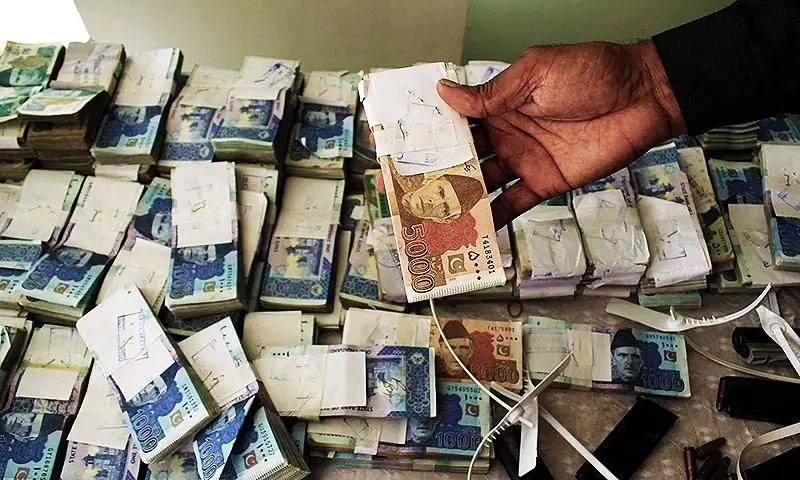
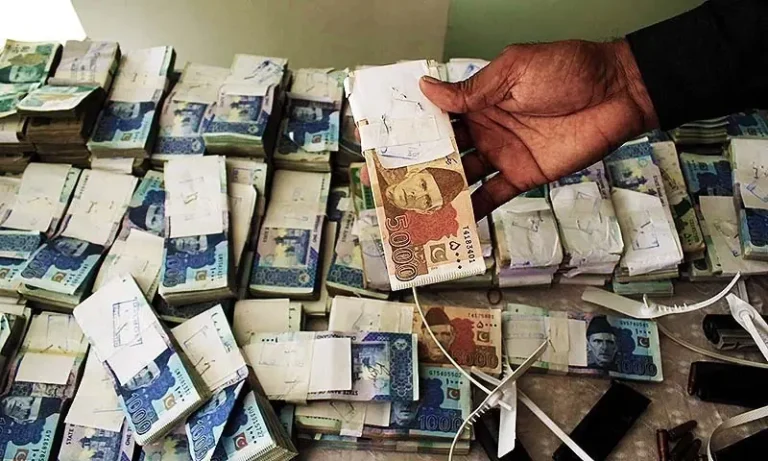
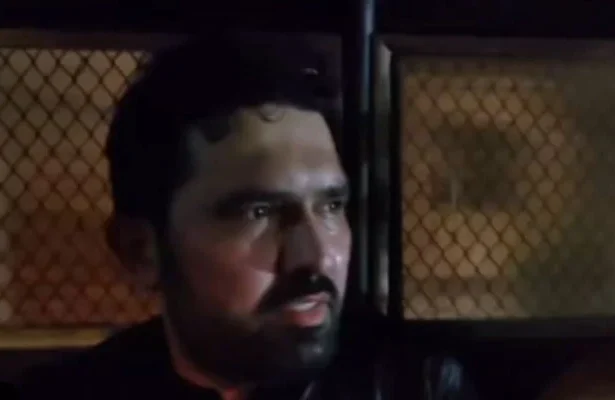
The daylight robbery of an MCB Bank branch on Sariab Road in Quetta on September 15 should concern everyone who wants Balochistan to become safer, more prosperous and more connected to the national economy. Six armed men entered the branch, took control of the premises and escaped with bags containing an undisclosed amount of cash. Police have said the attackers appeared to have links with an armed group, although no organisation has yet been officially identified as responsible. That distinction matters. Security debates are strongest when facts are established before conclusions are drawn.
At the same time, the incident cannot be viewed in isolation from the broader pattern of militant violence against economic and public institutions in Balochistan. Banks are not simply buildings containing cash. They hold salaries, savings, pensions, business deposits and working capital. They allow traders to pay suppliers, families to receive money and small businesses to remain connected to the formal economy. When armed groups attack or loot such institutions, the damage extends far beyond the amount removed from a vault.
Fear spreads, security costs rise and commercial confidence weakens
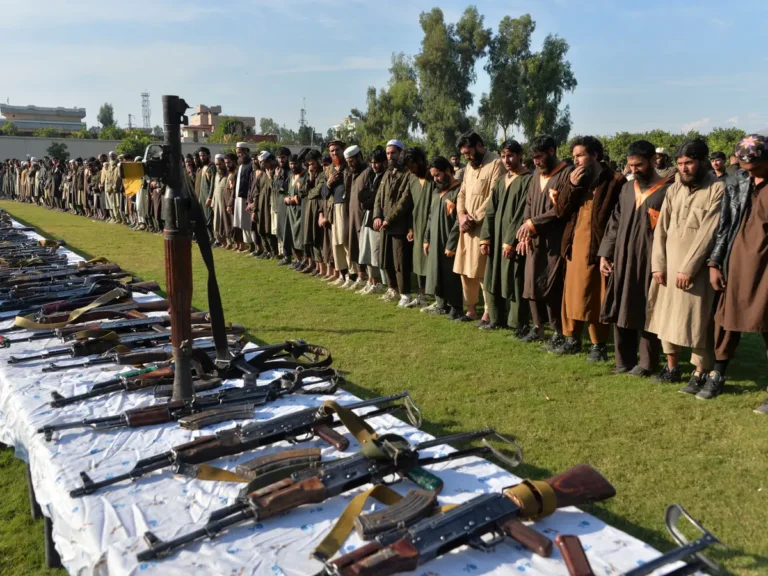
Previous incidents illustrate why the concern is serious. In January 2025, armed militants attacked Zehri in Khuzdar district, taking control of parts of the town, attacking government facilities and looting more than Rs90 million from a private bank, according to officials. The Balochistan Liberation Army later claimed responsibility for the wider operation. In May 2025, militants again struck Surab, where a local bank was looted and set on fire alongside attacks on government installations. The BLA claimed responsibility for that assault as well. These were not merely attacks on concrete buildings. They disrupted ordinary economic life in communities where security concerns already complicate commerce and investment.
The human cost becomes even clearer when the record is widened beyond banks. In April 2024, gunmen stopped a passenger bus near Nushki, checked identity cards and looted passengers of cash and mobile phones. Nine passengers were abducted and subsequently found shot dead. The BLA later claimed responsibility for the killings. Whatever political language an armed movement uses to describe its objectives, operations involving robbery, attacks on financial institutions or killings of civilians inevitably raise a basic question: how do such actions improve the lives of the people in whose name a struggle is supposedly being conducted?
That contradiction deserves attention. Balochistan’s socioeconomic and governance problems should not be dismissed. Questions involving employment, public services, political representation, development, resource distribution and local participation require serious political and institutional engagement. But recognising grievances does not mean treating violence as their solution. When banks are looted, businesses are intimidated and transport routes become unsafe, the first people to suffer are not distant policymakers.
They are shopkeepers, drivers, labourers, students, bank employees and families living in the affected towns
This is where the phrase “Bank Looting Agents,” used rhetorically by critics of the BLA, draws its force. It is not the organisation’s name, but a pointed criticism of the gap between claims of liberation and actions that damage economic institutions used by ordinary people. A raid on a bank cannot create employment. Burning a branch cannot build a school. Stolen money cannot produce sustainable investment. Armed men controlling a highway cannot provide young people with the stable future they seek.
Pakistani officials increasingly use the term “Fitna al-Hindustan” for militant networks they allege receive Indian financial or military support, and officials have included the BLA within that description. Pakistan’s Foreign Ministry reiterated that position in August 2026. Such external-support claims should be distinguished from facts established about individual incidents. The more immediate and independently documented issue is that repeated militant attacks on civilians, government facilities, transport networks and commercial institutions have imposed tangible costs on Balochistan itself.
The appropriate response also has to extend beyond slogans. Those responsible for robberies, killings and other violent crimes should be identified through investigation, prosecuted on evidence and brought before courts through due process. At the same time, protection of banks and markets, intelligence coordination, policing, surveillance and rapid-response capacity in vulnerable districts require sustained attention. Businesses are more likely to operate and invest where employees, customers, property and supply chains are reasonably secure.
Economic confidence is therefore not separate from security. It is part of security
Balochistan does not need a future defined by armed men entering banks, blocking highways or deciding who may travel safely. Its people need functioning institutions, investment, education, employment, roads, markets and meaningful political participation. The Sariab Road robbery remains under investigation, and responsibility should not be assigned before evidence establishes it. But the documented record of earlier militant attacks already carries an important lesson. Violence that destroys economic life ultimately places its greatest burden on the communities living where that violence occurs. Balochistan’s future will be strengthened not through fear and looting, but through security, lawful politics, accountable governance and expanding economic opportunity.

