

Pakistan-UAE Ties in a Changing Regional Order
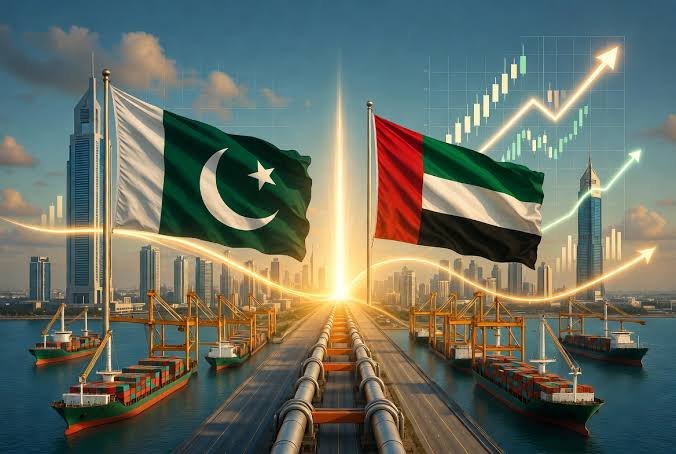
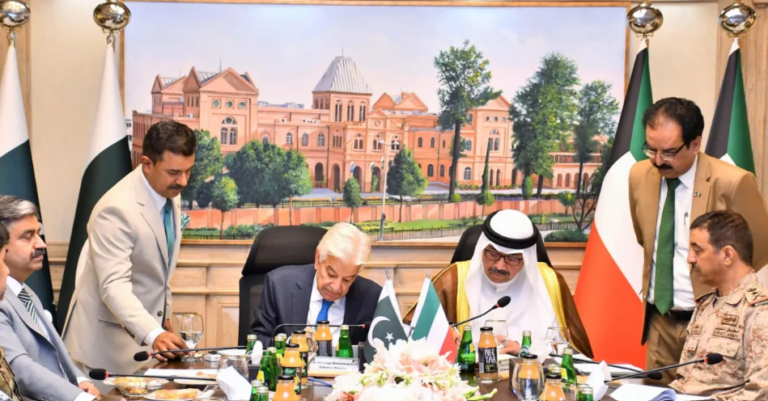
Few relationships in Pakistan’s foreign policy have combined history, human connection and strategic relevance as naturally as its ties with the United Arab Emirates. Pakistan was among the earliest countries to recognize the UAE after its formation in 1971, and over more than five decades the relationship has expanded far beyond ceremonial diplomacy. Shared religious and cultural affinities have mattered, but so have leadership-level confidence, defence links, migration, trade and investment. Recent high-level exchanges have again emphasized cooperation in trade, technology, infrastructure, defence and people-to-people relations.
There is also an unusual historical depth to the defence relationship. Pakistan contributed personnel and expertise during the formative years of Emirati state-building. Archival research shows that 115 Pakistani officers were serving in the Abu Dhabi Defence Force by April 1974, while Pakistan Air Force personnel played significant roles in the development and training of the early Emirati air arm. Historical accounts also record Pakistani officers among the early commanders of the UAE Air Force. That institutional memory helps explain why defence cooperation has retained significance decades later.
Today, however, the opportunity is not simply to preserve an old defence relationship. It is to modernize it. Training, military education and professional exchanges can increasingly sit alongside cooperation in cyber defence, artificial intelligence, space technologies, electronic warfare, unmanned systems and defence production. Pakistan has an established defence-industrial base, while the UAE has capital, advanced technology partnerships and an increasingly sophisticated security industry. The combination creates room for commercially viable collaboration without abandoning the institutional trust built over generations.
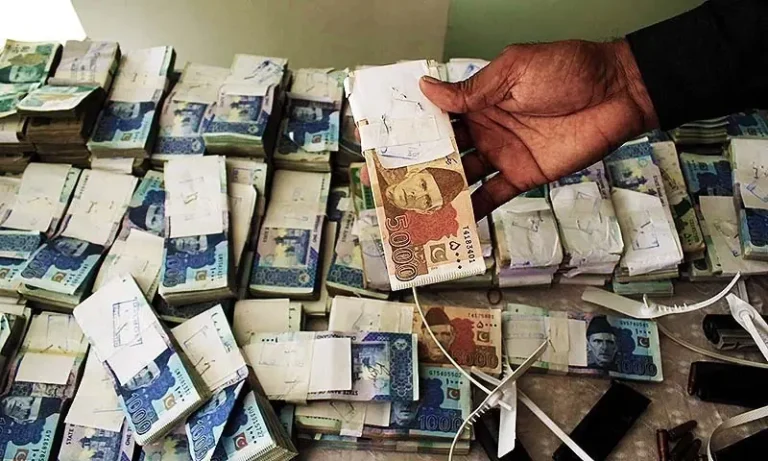
The strongest foundation of the relationship may nevertheless be human rather than governmental. Pakistan’s Foreign Office says around 2.2 million Pakistanis live in the UAE, forming one of the largest Pakistani communities abroad. They work across construction, aviation, healthcare, engineering, finance, education, logistics, technology, hospitality and business. Islamabad said in May that remittances from the UAE were close to $8 billion, making the community simultaneously a social bridge and an important contributor to Pakistan’s economy.
That human relationship is increasingly being matched by deeper economic engagement. The UAE is now among Pakistan’s most important trading partners. Pakistan’s Trade and Investment Counsellor in Dubai reported that merchandise trade crossed $10.5 billion in FY2025-26, while Pakistani exports exceeded $2.1 billion. The imbalance within those figures is important. A stronger economic partnership will ultimately be measured not simply by the volume of trade but by whether investment creates productive capacity, technology transfer and new Pakistani exports.
The 12th Pakistan-UAE Joint Ministerial Commission already identified a wide range of possibilities, including investment, food security, information technology, banking, aviation, energy, healthcare, education and defence. Ports and logistics are another increasingly important area, with AD Ports Group expanding its involvement in Pakistan’s maritime sector. An eventual Comprehensive Economic Partnership Agreement could provide another institutional mechanism for expanding market access, but its value would depend on how effectively businesses on both sides translate preferential arrangements into investment and exports.
Technology offers one of the clearest opportunities. Pakistan had more than 34,000 registered IT and IT-enabled services companies by March 2026, while freelance export earnings reached $856.3 million during July to March FY2026. The UAE, meanwhile, has positioned itself as a regional centre for artificial intelligence, digital finance and advanced technology. Cooperation in fintech, cybersecurity, e-commerce, cloud infrastructure, AI and technology parks could connect Pakistani talent with Emirati capital and global markets.
Agriculture offers a similarly practical convergence. Pakistan produced 29.61 million tonnes of wheat in FY2025-26 and retains substantial capacity in rice, livestock, horticulture and food processing. For the UAE, resilient food supply chains remain strategically important. For Pakistan, the greater opportunity lies in moving beyond bulk commodity exports towards processing, cold storage, packaging, modern irrigation and branded halal food products. Discussions between the two countries on cooperation in Pakistan’s date sector in October 2025 illustrate how technology transfer and value addition could become part of that relationship.
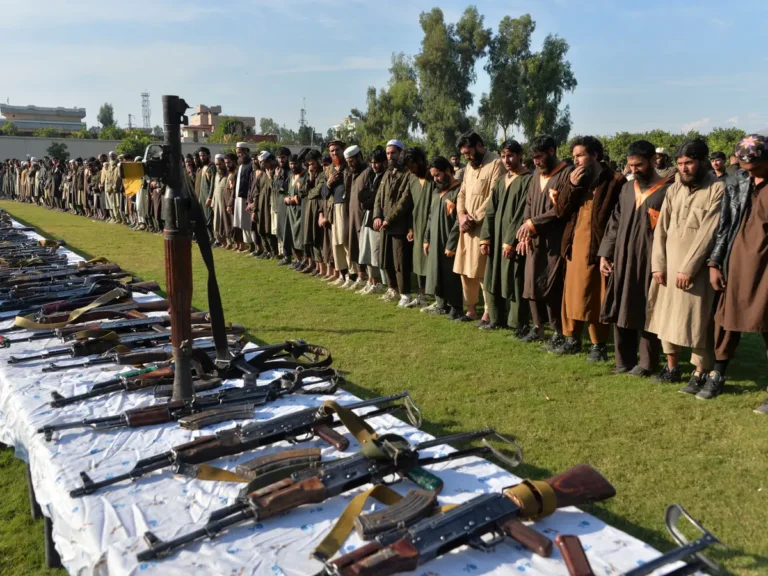
Security cooperation forms another layer. Pakistan continues to face attacks by the Tehrik-e-Taliban Pakistan and other militant organizations, while UN monitoring has reported the presence of TTP, ISIL-K and other armed groups in Afghanistan. Kabul has disputed Pakistani allegations that it permits its territory to be used for attacks, making the issue a continuing source of regional tension. For Pakistan and the UAE, the practical areas of common interest are less controversial: intelligence exchange, terrorist financing, forged travel documentation, aviation security, cyber investigations and monitoring illicit financial networks.
The wider regional environment also gives the relationship additional significance. The recently established Makkah Defence Alliance involving Pakistan, Saudi Arabia and Türkiye has been presented by its members as a defensive arrangement intended to promote regional stability rather than target a particular country. Its secretariat is to be based in Riyadh, with Pakistan providing the first secretary-general. Such arrangements will coexist with the UAE’s own network of international partnerships, making regular consultation increasingly important in a region where states often maintain overlapping relationships.
This is why occasional speculation about strains between Islamabad and Abu Dhabi should be treated cautiously. In April 2026, Pakistan’s Foreign Office publicly rejected reports suggesting a deterioration in bilateral relations and warned against attempts to “drive a wedge” between the two countries. Mature partnerships are not defined by the absence of differing interests. They are defined by the institutional capacity to manage them.
Pakistan and the UAE already possess something difficult to manufacture through diplomacy alone: accumulated trust. The next phase will depend on whether that inheritance is converted into productive investment, technological collaboration, defence innovation, secure supply chains and stronger institutional cooperation. If that happens, an old brotherhood will not disappear. It will acquire the economic and strategic substance of a modern partnership.

