KP’s Silence on Terror Is No Longer Defensible
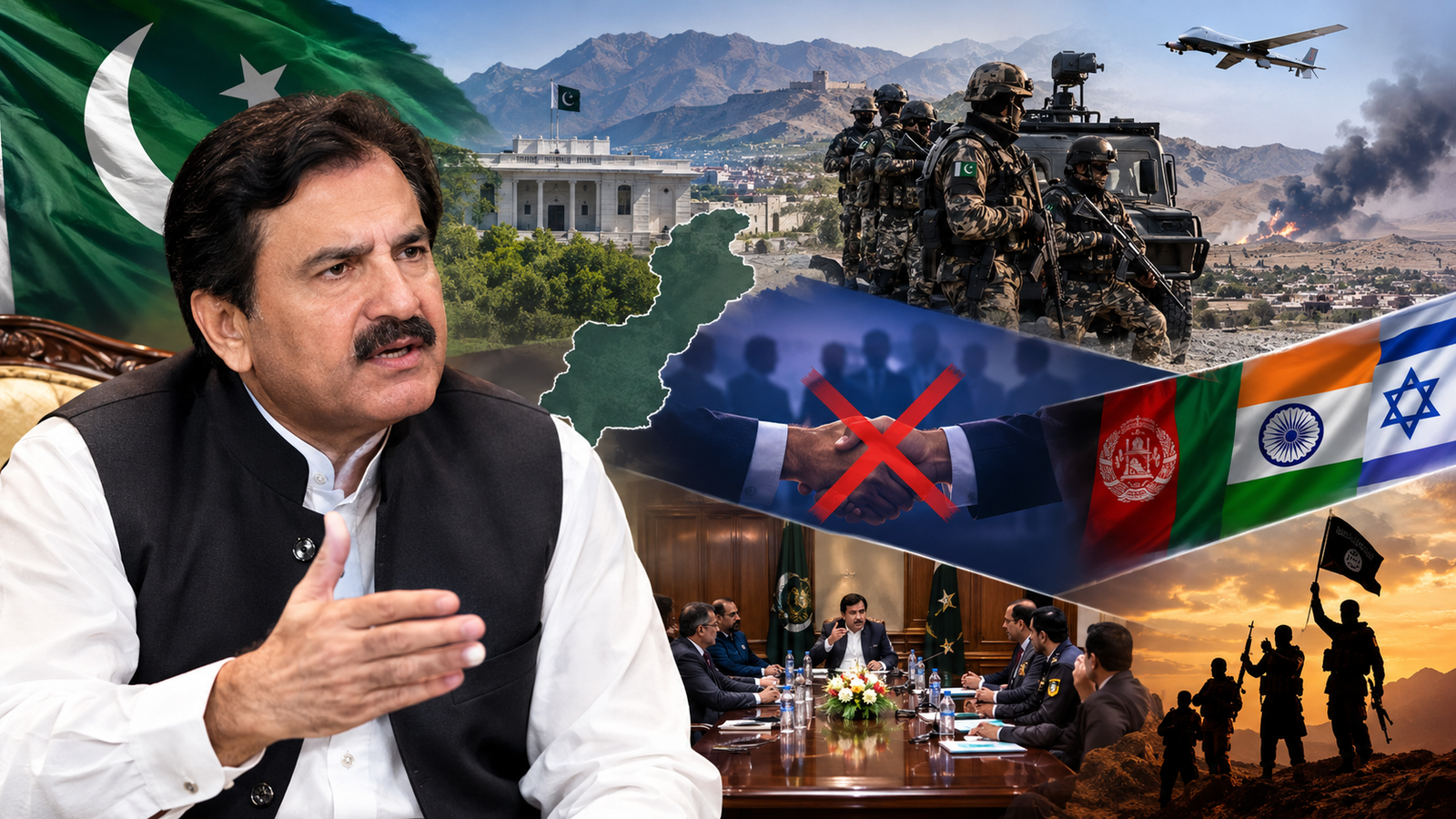
Khyber Pakhtunkhwa stands at a dangerous crossroads. The collapse of federal opposition talks this week, the launch of PTI’s long march, and the very real prospect of Governor’s Rule or emergency are not merely symptoms of a political quarrel. They point to something far more troubling: a province whose elected leadership has consistently refused to stand firm against the Khawarij and terrorists bleeding it dry and a federal government that has finally run out of patience.
Interior Minister Mohsin Naqvi met KP Governor Faisal Karim Kundi to discuss the political and security situation amid speculations of imminent Governor’s Rule in the province. They agreed that whenever the President and Prime Minister deemed it necessary to impose Governor’s Rule or emergency to save the province from terrorism and destruction, the Governor’s House would play its full constitutional role. That meeting and the language surrounding it were a clear message: the state is watching, and it has constitutional tools it is prepared to use.
Governor Kundi has been consistent in his critique of the PTI’s approach to the talks. His position, as he has repeatedly stated, is that dialogue was never genuinely pursued by PTI. It was used as a tactical pause, a time gaining exercise while the party pursued other political objectives. Interior Minister Naqvi accused the KP government of backtracking on security commitments it had initially agreed to, including reconsidering the proposed Police Act 2026, preventing terrorists from establishing safe havens, and extending full cooperation to the Pakistan Army in counter terrorism efforts. These were not unreasonable demands from any government serious about restoring order to a besieged province. Yet the KP leadership balked.
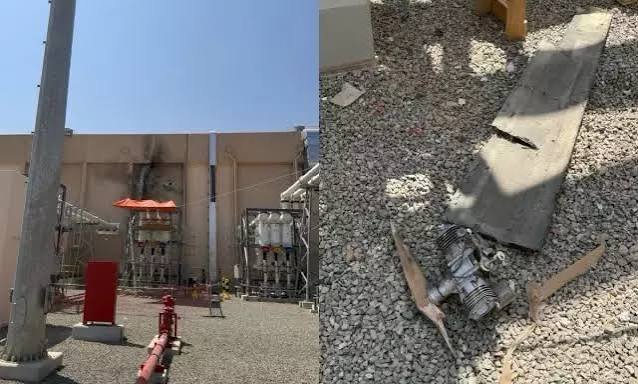
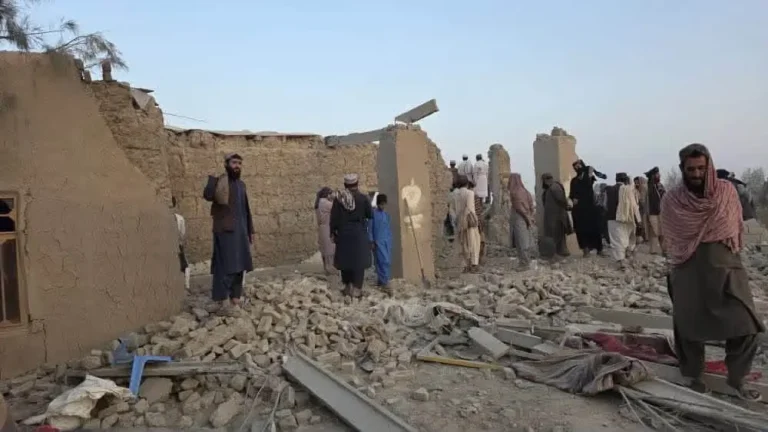
The tragedy at the heart of this standoff is the blood being spilled while politicians argue. Between April 2025 and April 2026, the Khawarij carried out 444 drone attacks across Khyber Pakhtunkhwa, killing 478 people. Roughly 300 of whom were security forces, 135 civilians, and 43 police or Frontier Corps personnel. These are not abstract statistics. These are fathers, sons, constables, and soldiers who put on uniforms and went to serve, only to be cut down by an enemy that has found both sanctuary across the border and, critics argue, a sympathetic silence from certain quarters within KP itself.
In September 2026, a suicide bomber rammed an explosives laden car through the gate of the Old Police Lines complex in Kohat into a mosque during Friday prayers, in what became the deadliest attack on a police complex in Khyber Pakhtunkhwa since the 2023 Peshawar Police Lines mosque bombing, claiming 31 lives including 17 policemen. The silence from the provincial government in the wake of such attacks has been deafening. Not a single meaningful resolution condemning the Khawarij. Not a funeral of a martyred soldier attended by the province’s top political leadership. Drone attacks from across the Afghan border draw carefully worded criticisms, but the helicopter attacks and improvised explosive devices being used by terrorists against Pakistan’s own security forces and civilians somehow escape the same moral urgency.
This selective outrage is what Governor Kundi is pointing to and he is not wrong. A provincial government that holds rallies demanding political concessions cannot simultaneously claim the moral authority to govern a province at war with terrorists if it refuses to name, condemn, and actively confront those same terrorists.
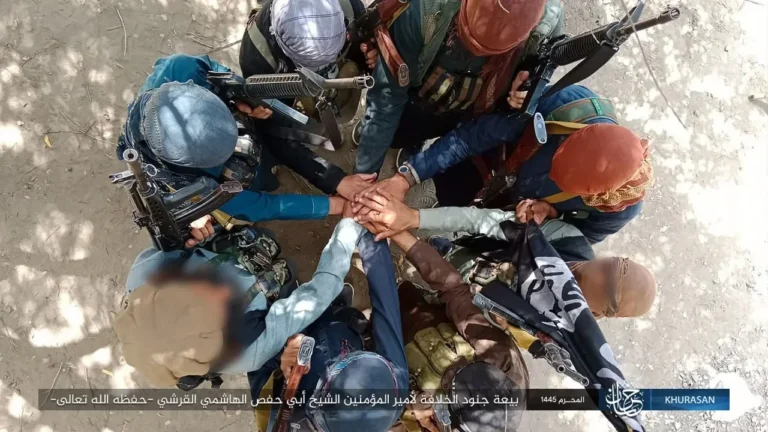
The Afghanistan dimension to this crisis cannot be glossed over. Security forces have confirmed that Khawarij belonging to Indian sponsored Fitna al Khawarij have been foiled in infiltration attempts along the Pakistan Afghanistan border in Khyber Pakhtunkhwa, and the Afghan Taliban regime has been urged to deny the use of Afghan soil by Khawarij and prevent its citizens from involvement in terrorism inside Pakistan. Meanwhile, Pakistan’s Foreign Ministry has stated it possesses irrefutable evidence that India is financing and facilitating terrorism in the region, specifically operating networks within Afghanistan, and has shared this evidence with international bodies. This is not a conspiracy. It is a documented, formally presented strategic reality that Pakistani institutions have raised at every available international forum.
An Afghan minister publicly boasting that Peshawar could be occupied.
Drones crossing the border to kill Pakistani civilians and soldiers. Evidence of a hostile regional nexus being assembled against Pakistan on its western flank. Against this backdrop, one expects every single political actor in KP, regardless of their electoral affiliation, to speak with one voice. Instead, the silence from PTI’s provincial leadership on these direct threats to Pakistani sovereignty has been conspicuous and troubling.
Governor’s Rule and emergency powers are extreme steps. Governor Kundi himself has acknowledged this, framing them as last resorts rather than first instincts. The federal government has said it believes its demands regarding KP’s cooperation to curb terrorism were genuine and rightful, and that there was no logic behind PTI’s decision to walk away from dialogue. The Constitution contains these provisions precisely because the framers understood that democratic processes can sometimes become a vehicle for inaction at a moment demanding resolve. Article 232 and related provisions were not inserted into Pakistan’s Constitution as ornamental text. They exist because the nation’s founders knew that provincial governments could, whether through negligence or deliberate political calculation, endanger citizens whose protection was the basic obligation of the state.
The question being asked now in Islamabad is blunt: if a provincial government cannot or will not cooperate in fighting terrorists who are killing police officers inside mosques, what is the constitutional path forward? Governor Kundi has stated that if imposing emergency becomes necessary to save the province, it will certainly be done, with the President, Prime Minister, and other institutions empowered to act if they believe the province’s situation has deteriorated sufficiently.
There is a legitimate debate to be had about whether Governor’s Rule is the right instrument at the right time. But that debate is secondary to a more fundamental question that PTI’s leadership has refused to answer plainly: do they stand with the Pakistani state against the Khawarij and terrorists, or don’t they? Dialogue is possible between political rivals who disagree on economics or governance. Dialogue is a different matter entirely when one side refuses to condemn attacks on this country’s soldiers, policemen, and civilians, and when the people dying are the very citizens the provincial government was elected to protect.
KP deserves better. Its martyred officers deserve better. And Pakistan, its Constitution, its laws, its sovereignty, demands better than the calculated silence that has passed for governance in Peshawar for far too long.