


Mecca Execution and the Global Spread of Disinformation
On October 14, 2026, Saudi Arabia executed two Bangladeshi nationals, Nazrul Islam Abdul Basir and Siti Akhtar, for committing indecent acts inside a mosque in Mecca. The Saudi Ministry of Interior issued a formal statement naming the individuals, citing the legal basis, ta’zir, a discretionary punishment under Islamic law, and confirming that a competent court had reviewed and upheld the conviction. It was a sobering story. What followed was something far more disturbing: a coordinated storm of fabricated narratives that swept across social media before truth had even found its footing.
In that storm, truth was not merely absent. It was the intended casualty.
The Manufactured Story
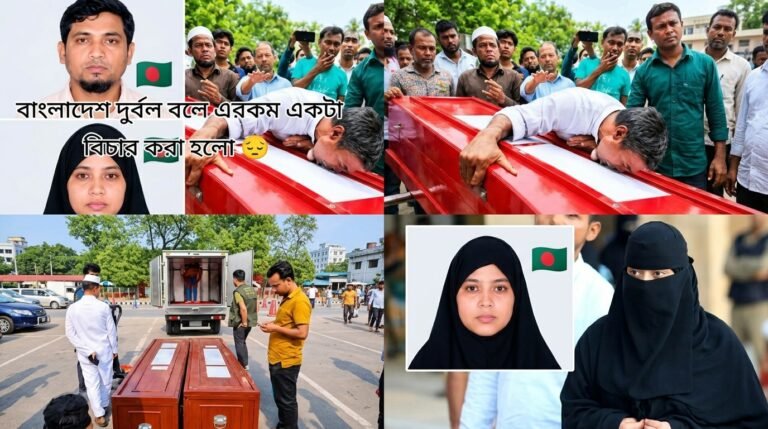
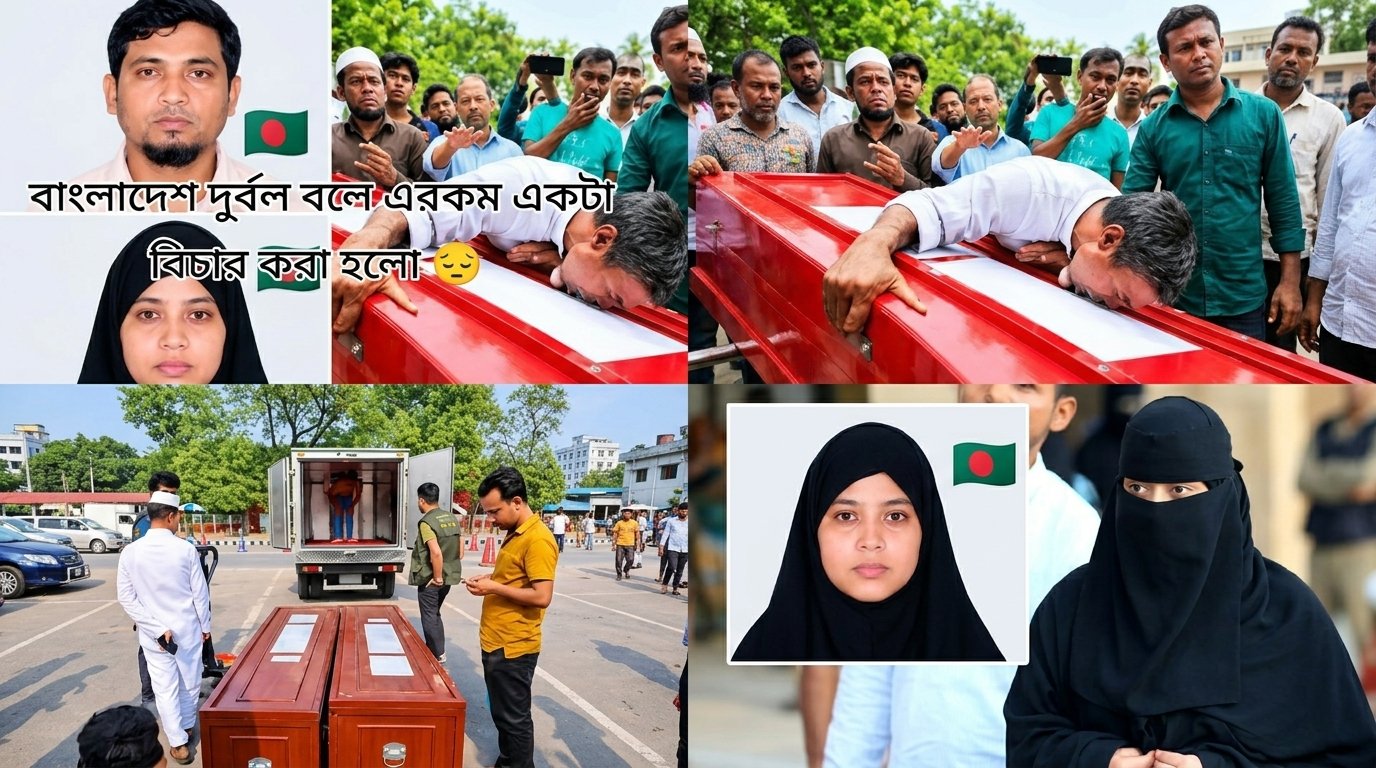
Within hours, viral posts reframed the entire event into something it never was. The two were presented as a newlywed couple on an Umrah honeymoon, executed for a forehead kiss inside Masjid al Haram. On October 20, Record TV Africa ran the headline “BREAKING: Saudi Arabia Executes Bangladeshi Newlyweds Over Forehead Kiss in Mecca Mosque,” illustrated with fabricated coffin imagery and portraits of an Egyptian influencer, Gehad Elbana, and her husband, people photographed during a pregnancy shoot who had no connection whatsoever to this case. Fact checking organizations Fact Crescendo and BOOM independently confirmed the images were entirely unrelated. The Harameyn official media account itself had to step in to clarify that the viral footage circulating online bore no connection to the executions.
Additional videos were shared purporting to show the victims’ daughter weeping at a graveside. One such clip was traced back to a Bangladeshi Facebook post from May 2026, months before the execution. Another had appeared on Instagram in February 2026. The entire visual ecosystem of this story was constructed from borrowed, recycled, and deliberately misattributed material.
The Detail That Exposes Everything
One fact above all others dismantles the fabricated narrative at its foundation. Nazrul Islam’s own father, Abdul Basir, flatly denied that his son was married to Siti Akhtar. “We do not even know her,” he told Jago News. “I heard they worked at the same place.” A family member separately told BBC Bangla that Nazrul had previously had an affair with the woman. Siti Akhtar’s family confirmed she had traveled to Saudi Arabia for employment after borrowing money, with a history of previous marriages. Prison documents confirmed both had worked as cleaners for Al Majal Company, and the two were detained on consecutive days in August 2023.
When the victims’ own family directly contradicts the central premise of a viral story, that story is not a misunderstanding. It is a lie. And that lie reached millions of accounts before a single correction could gain traction.
Three Years of Process, Erased
The actual timeline of this case has been almost entirely erased by the misinformation flood. Nazrul was arrested on August 1, 2023. Siti Akhtar was detained the following day. Both were held in separate Jeddah facilities for over three years before the sentences were carried out. This was not a snap judgment. It was a multi year judicial process resulting in a court conviction, upheld reasoning on the sanctity of the site and seriousness of the act, and a royal order to enforce the sentence. The narrative of impulsive extrajudicial punishment is simply false.
A Real Diplomatic Question, Buried in Noise
There is, however, a legitimate concern here, one that deserves to be heard on its own merits. Bangladesh’s State Minister for Foreign Affairs confirmed that neither the Foreign Ministry in Dhaka nor the Bangladesh Mission in Saudi Arabia received advance notification of the executions. Both nations are signatories to the Vienna Convention on Consular Relations. Article 36 requires that the detaining state notify the relevant consulate at a detainee’s request and allow consular access. Bangladesh has formally requested the court verdicts and an explanation for the absence of prior notification, a measured, institutional response pursued through proper diplomatic channels, including summoning the Saudi ambassador to Dhaka. This restraint is commendable and should continue.
But here is the problem: when social media fills the air with fabricated photographs and invented characters, the legitimate consular question gets buried under rubble. Fact checkers are forced to spend resources debunking fake images instead of examining whether either detainee was ever properly informed of their right to consular assistance. Disinformation wins twice, once by spreading, and again by redirecting attention away from the questions that actually matter.
A Deliberate Architecture
This was not an organic wave of confusion. The structure of what unfolded follows a well documented playbook: take a real event, strip out its verifiable details, inject emotionally combustible elements, a kiss, a honeymoon, a pregnant wife, and saturate networks before any correction can gain traction. Rumor Scanner, Bangladesh’s foremost fact checking organization, documented at least 155 such misinformation incidents targeting Bangladesh across platforms in 2025 alone. The Mecca execution became the latest entry in that pattern. Except this time, the intended target was not just Bangladesh’s reputation, it was the legitimacy of Islamic jurisprudence itself.
Framing Saudi Arabia as executing people for a forehead kiss is not confused reporting. It is designed to portray Islamic governance as barbaric and to generate international outrage among audiences who will never seek out the original Arabic language official statement. That is information warfare, dressed as public concern.
The Obligation That Remains
The only counter to this is discipline. The deliberate, unglamorous commitment to not sharing, not amplifying, and not judging until information has been verified. When a story feels too perfectly outrageous, that should trigger caution, not clicks.
Truth in this case was never hidden. The father denied the marriage. The families had separate migration histories. The Saudi Ministry issued a named, reasoned statement. The fact checkers documented everything. The problem was not a shortage of truth. The problem was that manufactured outrage had a twelve hour head start.
That head start is precisely what the architects of disinformation depend on. Closing it is not the responsibility of any single institution. It is the obligation of every person who shares a screen.

