



Sonam Wangchuk Jailed Under India’s Harsh Security Law
Sonam Wangchuk Detained Under NSA: What the Law Means and How It Works
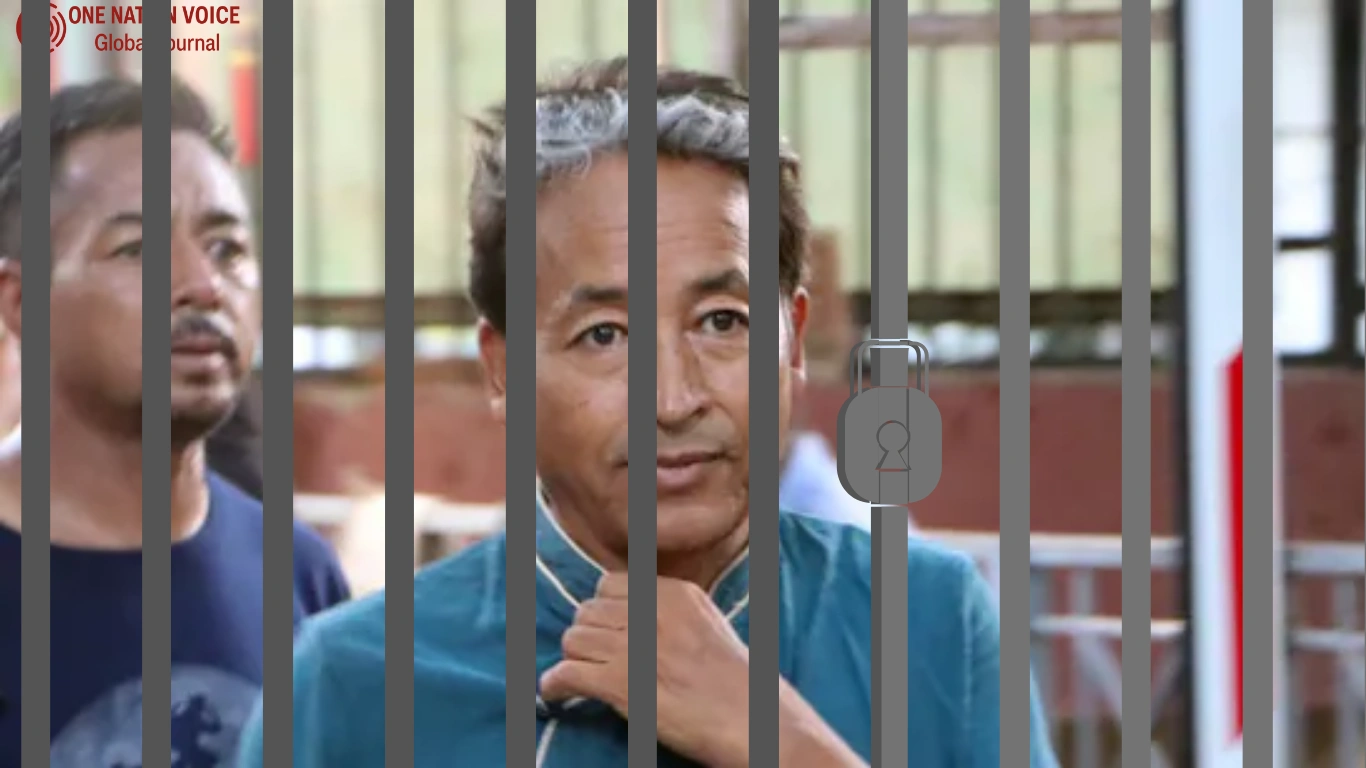
Climate activist Sonam Wangchuk, who has been leading the campaign for statehood and Sixth Schedule protections for Ladakh, was detained on Friday (September 26) under the National Security Act (NSA). According to his wife, he has been moved to a jail in Jodhpur.
Authorities have accused Wangchuk of inciting the violent protests in Leh earlier this week, where four people were killed in police firing and around 50 others injured. The use of the NSA, one of India’s most stringent preventive detention laws, has reignited debate over its scope and misuse.
Preventive Detention in India
Preventive detention dates back to colonial times, when it was used to control dissent. After Independence, the Preventive Detention Act (1950) and later the Maintenance of Internal Security Act (MISA) were enacted. MISA gained notoriety during the Emergency and was repealed in 1978. Two years later, the National Security Act (NSA), 1980 came into force.
The NSA empowers both the Centre and state governments to detain individuals pre-emptively if they are deemed a threat to India’s defense, public order, relations with foreign powers, or essential supplies. Unlike regular arrests, NSA detention is preventive, aimed at stopping a potential act before it occurs.
Also Read: HIAL Land Cancellation Sparks Outrage in Ladakh
Key Features of NSA
- A detention order functions like a warrant of arrest.
- Grounds for detention must be shared within 5 days, extendable to 15 days.
- An Advisory Board of High Court judges must review the detention within 3 weeks.
- Detention cannot exceed 12 months, though release may happen earlier.
- The detainee can make a representation to the government.
However, detainees cannot have legal representation before the Advisory Board, and the government can withhold details in the name of “public interest,” leaving broad discretion in official hands.
Wangchuk’s Legal Options
Wangchuk can challenge his detention by:
- Filing a representation to the government.
- Waiting for the Advisory Board’s review.
- Moving the High Court or Supreme Court under writ jurisdiction.
- Seeking revocation if the government itself withdraws the order.
Until then, the NSA allows authorities to hold him without filing formal charges in court.
How NSA Has Been Used in the Past
The NSA has been invoked in several high-profile cases:
- In 2023, Sikh preacher Amritpal Singh was detained and sent to Assam’s Dibrugarh jail.
- In 2017, Bhim Army leader Chandrashekhar Azad was booked under NSA before the Supreme Court intervened.
- During the anti-CAA protests in 2020, many protesters in Uttar Pradesh were booked under the Act.
- Dr Kafeel Khan was also detained in 2020, but later released after the Allahabad High Court questioned the detention.
In recent years, the law has also been applied in “Love Jihad” cases, communal violence episodes, and even against those accused of cow slaughter or black-marketing essentials.
Critics argue that such uses go beyond its original intent, making the NSA a tool for political control rather than national security. Courts too have intervened in several cases, striking down unjustified detentions.

