


The G20 in Johannesburg, A Turning Point for the Global South
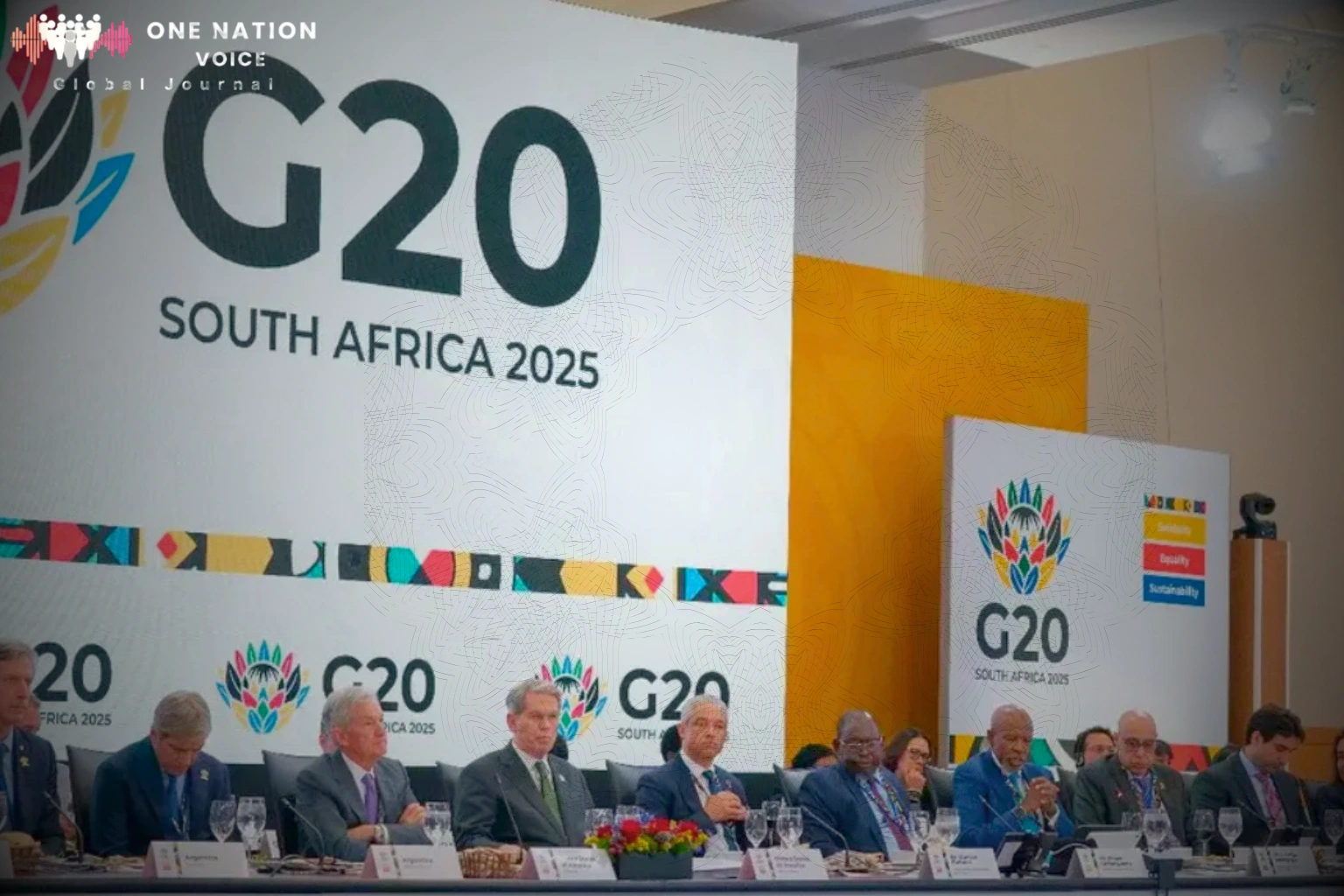
The G20 summit in Johannesburg this year feels different. Maybe it’s because it’s happening in Africa for the first time, or perhaps because the world is like it is at a crossroads. Anyhow, it is not another case of handshakes and photo sessions. It is a time that might reshape the way power, money and responsibility are distributed throughout the globe.
G20 began as a reaction to financial crises, however, its agenda has gone a long way beyond that. It is now about climate change, debt, digital technology and the changing global power. The situation couldn’t be more timed. It is believed that the US and China are still engaged in a race, wars are on in Europe and Middle East, and the rich and poor countries continue to widen the gap. It is in that context that holding this summit in South Africa is symbolic as a reminder that the future of the global economy does not only reside in Washington or Beijing.
In the case of Africa, this is a time that has come. It has long been discussed as a region which has potential but seldom taken as a real partner in global policymaking. The G20 in Johannesburg reverses that story. It is a fact that Global South is no longer expecting to be given the go ahead to speak. So, Africa (particularly South Africa), India, Brazil, and Indonesia are beginning to fight back, in the form of demand of fairer trade systems, climate finance that is delivered, and participation in institutions such as the IMF and World Bank.
Debt and climate justice will be one of the largest issues in this summit. The developing nations get frustrated to be requested to go green when they are struggling through loans and interests. It is a bad geometry, the countries which have caused the most pollution are now best able to adapt, and the poor countries are having floods, droughts and rising costs little to no assistance.
For South Asia, these arguments are important. The ruling in Johannesburg will determine the regulations of trade, digital finance, and climate change adaptation over the coming years. So, people across the globe require a better bargain, one that does not fault it as a weaker or a reliant state. A more powerful and unified Global South would eventually provide the smaller economies with the bargaining power they have long lacked.
The query is whether this G20 will result in actual action or a series of warm wishes. Nevertheless, it is difficult not to notice the symbolism of Africa as a home to the strongest leaders in the world. It is a silent message that the world leadership is evolving and that the discussion of the world of tomorrow does not belong to just a few countries.
