
Sanctuaries First, Then the Victim Card
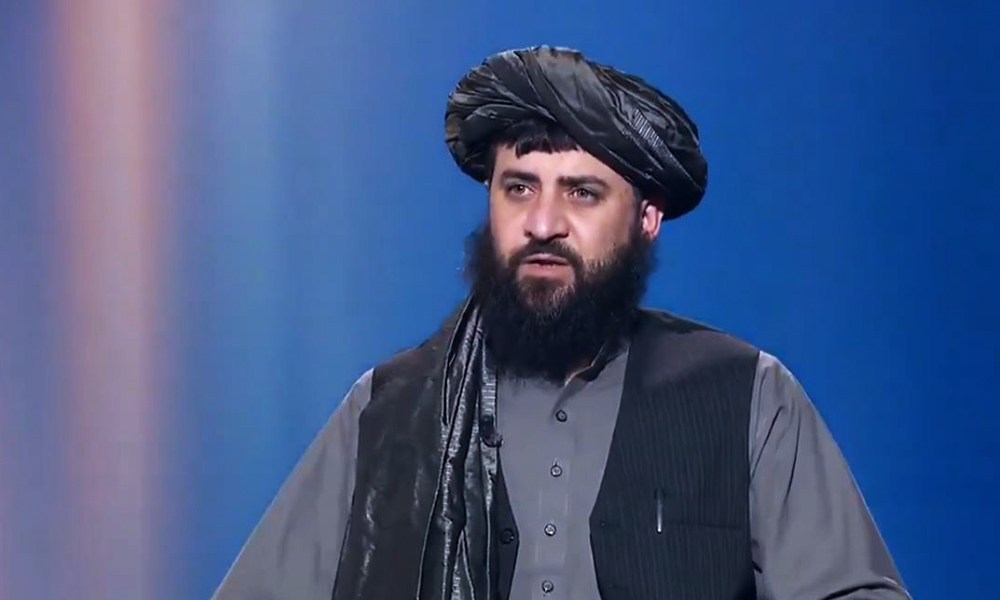
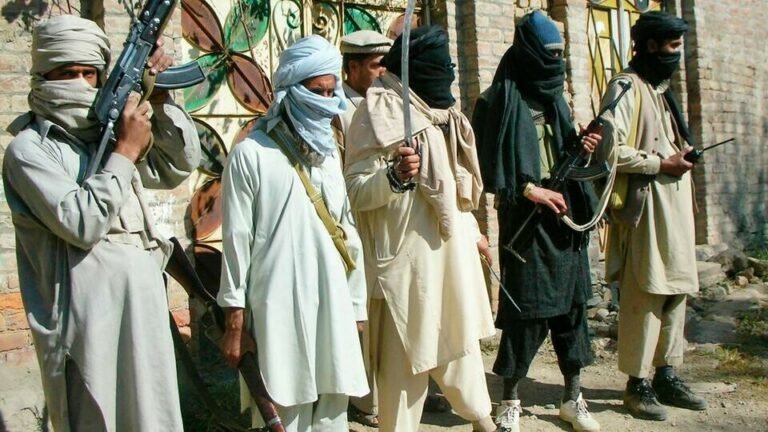
Hamdullah Fitrat’s comments are a familiar performance in this region, and a deeply cynical one. When a spokesman for a regime that faces persistent allegations of giving space, tolerance, or at minimum a permissive environment to anti-Pakistan militant groups suddenly starts speaking the language of victimhood, the contradiction is impossible to miss. The issue is not that civilians should not matter. They always do. The issue is that those who stay silent about the killers crossing into Pakistan cannot suddenly discover moral outrage only when pressure turns back on the networks they failed to dismantle. Reuters and AP reporting this year both describe Pakistan’s repeated accusation that the Taliban ruled Afghanistan has sheltered TTP militants, while Kabul continues to deny it. A recent UN sanctions monitoring report also said Afghanistan’s de facto authorities continued to provide a permissive environment for terrorist groups, notably the TTP.
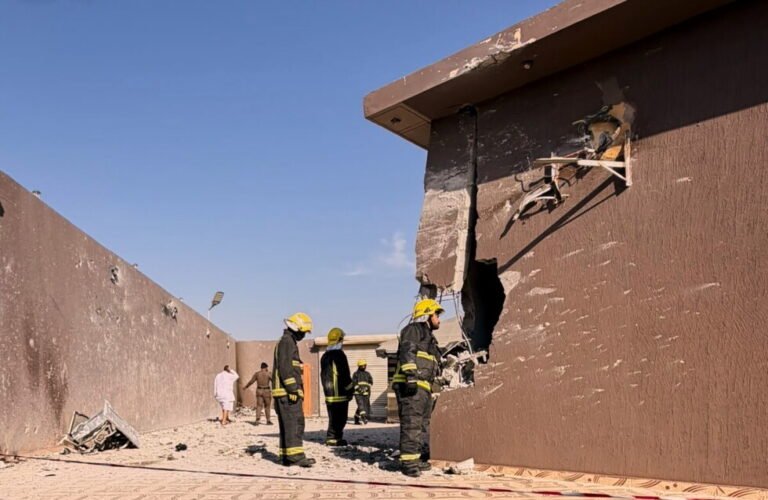
That is why Fitrat’s line falls flat. Pakistan is not speaking from theory, distance, or borrowed pain. It is speaking from graves, funerals, amputations, bombed schools, shattered mosques, and decades of bloodshed. Official Pakistani statements have repeatedly said the country has lost more than 80,000 lives to terrorism over the past two decades. That number is not a slogan. It is a national wound. It is also why attempts to erase Pakistan’s trauma through selective outrage sound less like a moral argument and more like propaganda.
You cannot dismiss Pakistan’s losses for years, ignore the militant infrastructure threatening it, and then expect the world to take lectures on victimhood from those who helped create this insecurity or failed to stop it
The scale of the threat in 2025 alone makes the victim card even harder to sell. The exact public tallies vary by source, but every serious count points in the same direction: violence surged, militants intensified attacks, and Pakistan paid heavily. The Pakistan Institute for Conflict and Security Studies told AP that 3,413 people were killed in violent incidents in 2025, including 667 security personnel, 580 civilians, and 2,138 militants, while Pakistan’s military spokesman said security forces carried out more than 67,000 intelligence-based operations and killed 1,873 militants. Separately, a Pakistan-based analysis cited by your notes put the 2025 toll at 1,957 fatalities, 3,603 injuries, and 3,079 militants neutralized. Whether one cites the independent think tank count, the military count, or Pakistan-aligned assessments, the direction is unmistakable: Pakistan is confronting a sustained terrorist campaign, not inventing one for diplomatic theater.
That is what makes the rhetoric from Fitrat so hollow. The Taliban love the language of strength when speaking to domestic audiences. They speak of defeating superpowers, resisting occupation, and humiliating mighty armies. But the moment scrutiny turns to the militant sanctuaries, facilitators, and permissive networks that threaten Pakistan, the tone changes overnight. Suddenly, the chest thumping disappears, and the victim narrative begins. This is not confidence. It is insecurity wrapped in theater. If a regime claims historic military glory but cannot answer basic questions about why anti-Pakistan terrorists keep finding room to operate, recruit, regroup, and strike, then its grand narrative shrinks very quickly. The boast may sound giant, but the response to accountability is remarkably small.
Pakistan’s position, whatever one’s politics, is not hard to understand. Islamabad says its actions are aimed at militant hideouts and cross-border networks involved in attacks on Pakistan, not civilians. Reuters has reported that Pakistan says it struck militant or Taliban military sites and has tied the reopening of border routes to written assurances from Kabul that Afghan soil will not be used for attacks inside Pakistan. That stated position should be judged seriously, and any civilian harm should be investigated seriously too. But serious scrutiny cuts both ways.
It cannot stop at allegations against Pakistan while ignoring the core question that keeps driving escalation: why do groups like the TTP remain central to this dispute in the first place?
The same logic applies in Balochistan. Reuters has described the Baloch Liberation Army as the strongest of the separatist insurgent groups in the province and noted that Pakistan accuses India and Afghanistan of backing it, a charge both deny. Reuters also noted that the mountainous border region serves as a safe haven and training ground for Baloch insurgents and Islamist militants. So when Pakistani officials warn that the border belt is being used by hostile actors, that warning is not appearing out of thin air. It comes from a long pattern of violence, from repeated attacks on civilians and security personnel, and from geography that militants have exploited for years.
This is why the real issue is not social media outrage. It is a sanctuary. It is impunity. It is the habit of turning every discussion of terrorist infrastructure into a debate about Pakistan’s right to respond. No country can be expected to absorb attack after attack and then accept lectures from the same ecosystem that refuses to confront the men with guns, explosives, safe routes, and ideological cover. When spokesmen cry victim while the sanctuaries remain untouched, they are not defending the truth. They are buying time, shaping perception, and shifting the spotlight away from the source of the fire.
Fitrat’s comments, therefore, should be read for what they are: not a credible moral intervention, but a political distraction. Pakistan’s losses are real. The terrorist threat is real. The cross-border dimension is real. And the contradiction at the heart of the Taliban’s message is real, too. Those who provide room, cover, silence, or excuses for anti-Pakistan militants do not get to occupy the moral high ground by posting grief on social media after the fact. Sanctuaries first, then the victim card, is not accountability. It is the oldest trick in the propaganda book.

