


Indians and Afghans Executed in Bahrain
 India
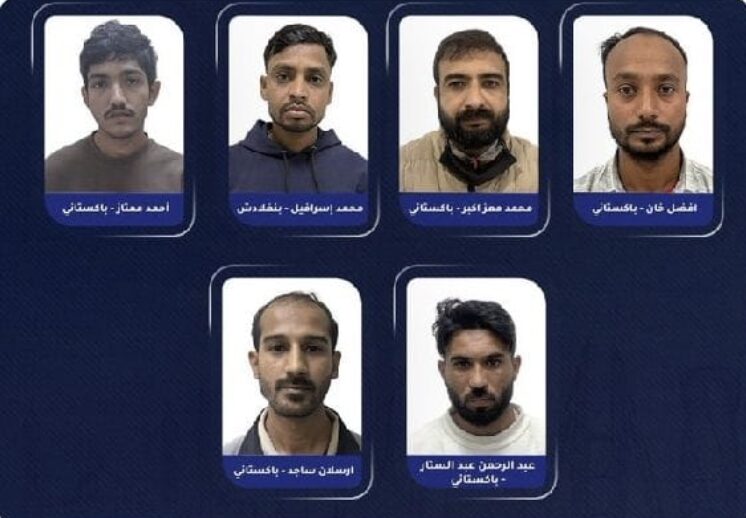
IndiaReports circulating across regional media indicate that individuals recently executed in Bahrain were Afghan and Indian nationals, not Pakistanis as some early speculation suggested. The distinction matters because it shifts the narrative away from geopolitical rivalry and toward questions about media control, digital activity, and national security policies. In an era where smartphones turn ordinary people into witnesses and broadcasters, governments face a new dilemma. Information moves faster than official statements, and authorities often struggle to manage the flow of images and videos during sensitive security situations.
Several reports and commentary pieces have highlighted that the charges against these individuals may have been linked to the recording or sharing of sensitive footage rather than traditional espionage. While details remain limited, the case reflects the growing tension between state security priorities and the everyday habits of digital citizens who document events around them.
Social Media and the New Civilian Witness
The spread of social media platforms has changed how conflicts and security incidents are documented. In the past, only journalists or official channels had the ability to capture and distribute footage from the ground. Today, anyone with a phone can record events and upload them instantly.
This reality has created a complicated legal environment. Some governments view the recording and sharing of sensitive footage as a threat to security operations. Others tolerate it unless it reveals classified information. The line between citizen journalism and a legal violation can therefore become blurred, especially in countries where security laws give broad powers to authorities.
The Difference Between Espionage and Media Violations
Espionage traditionally involves gathering classified information for a foreign government or intelligence service. It requires intent, coordination, and a clear link to national security secrets. Recording a video during a conflict or security incident does not necessarily meet that threshold.
If the individuals involved in the Bahrain case were sharing or distributing footage during a tense moment, the situation may fall closer to a cyber or media regulation issue. Governments sometimes treat the unauthorized publication of military movements or security operations as a violation, especially if they believe it could compromise strategic positions.
Government Control of Information During Crises
Governments often impose strict information controls during conflicts, protests, or military operations. The primary goal is usually to prevent panic, misinformation, or the exposure of tactical details. However, these controls also raise questions about transparency and public accountability.
Authorities sometimes justify restrictions by pointing to national security risks. Real-time footage can reveal troop positions, security infrastructure, or response strategies. In a volatile situation, such details may create vulnerabilities.
The Rise of Precautionary Censorship
What observers describe as precautionary censorship has become more common in the digital era. Instead of reacting after information spreads, authorities attempt to control or restrict the flow from the start. This approach is particularly visible during military operations or political unrest.
The logic behind precautionary censorship is simple. If sensitive information never reaches the public domain, it cannot be exploited by hostile actors. Governments, therefore, treat uncontrolled digital sharing as a potential risk.
Yet critics argue that such measures can easily become excessive. When restrictions go too far, they may suppress legitimate reporting and limit the public’s right to understand what is happening during major events.
A Broader Debate About Digital Responsibility
Cases like the one reported in Bahrain also raise questions about individual responsibility in the age of instant communication. Civilians often record events without considering the possible legal consequences. In many regions, laws about filming security operations or military installations remain strict.
Digital literacy, therefore, becomes an important issue. People may not realize that posting a short video could violate national regulations. Governments, meanwhile, rarely provide clear guidelines about what citizens can or cannot share during emergencies.
The Balance Between Security and Freedom
Ultimately, the controversy surrounding the executions highlights a larger challenge facing governments worldwide. Security institutions want to maintain control over sensitive information, especially during conflicts. Citizens, however, live in a digital environment where recording and sharing events feels natural.
Finding a balance between these realities is difficult. Excessive restrictions can damage public trust and raise concerns about human rights. At the same time, unrestricted information flows may create genuine security risks.
The Bahrain case, therefore, reflects a broader global debate. As technology continues to empower individuals with powerful communication tools, governments must decide how to adapt their laws without undermining basic freedoms.
What is clear is that the digital age has changed the nature of information itself. Every citizen now carries the potential to document history. The challenge for modern states lies in managing this reality without turning ordinary acts of documentation into serious crimes.

