


A Viral Spy Story
 India
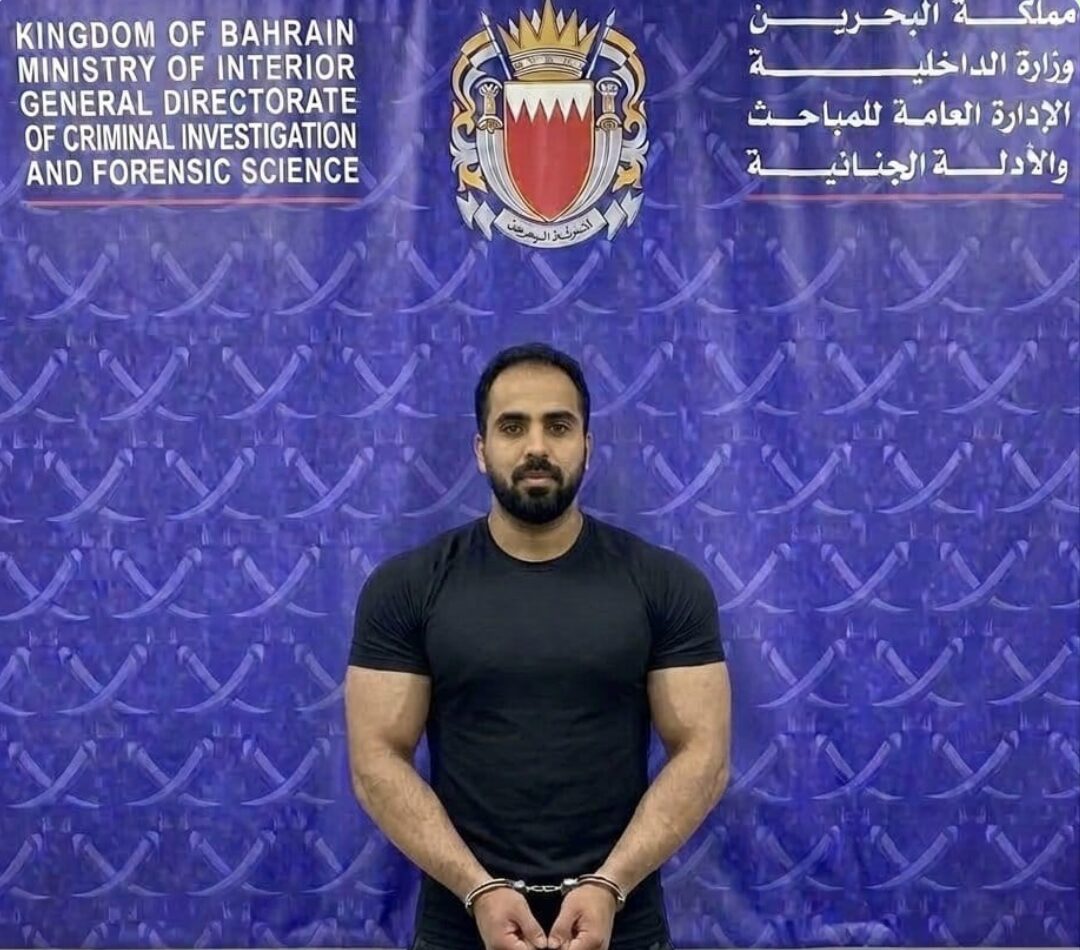
IndiaThe first duty in any alleged espionage story is not outrage. It is verification. Anyone reading Bahrain’s Police Media Centre, the official March 9 ministry notice, the Embassy of India in Bahrain, and its March 9 advisory should pause before repeating the claim that an Indian telecom engineer was caught passing sensitive data to Mossad. That caution becomes even more necessary after the India Today fact check and the Alt News review challenged both the identity and the image circulating online. My view is simple. A public already living through regional tension cannot afford to treat every dramatic post as a confirmed intelligence breakthrough. In a crisis, rumor is not harmless noise. It is a force multiplier.
Security fears are real, but rumors are dangerous too
None of this means Bahrain’s security concerns are imaginary. They are not. Reporting from the Wall Street Journal, a verified Reuters video report, a Bahrain News Agency item, and a Gulf Daily News report all point to a country on edge, trying to control the spread of videos, impact footage, and inflammatory posts during a volatile regional moment. States in that situation will always view stray filming, site imagery, and social media amplification through a security lens. That instinct is understandable. But understandable is not the same as accurate, and accuracy is exactly what goes missing when online ecosystems reward drama before evidence.
Why images are never just images
People often assume that only secret documents matter in intelligence work. That is outdated thinking. Even ordinary photos and short clips can reveal access routes, defensive blind spots, response times, proximity to key facilities, and local movement patterns. That is why agencies such as Mossad and institutions built around geospatial intelligence and the broader GEOINT mission treat location-based data as strategically valuable. Add an insider with technical knowledge, and the risk rises further, which is exactly why governments publish guidance such as the CISA insider threat guide. So yes, authorities are right to worry about who is filming what, where, and for whom. But that valid concern should make public communication more disciplined, not less. The stronger the security case, the higher the burden to show verified facts.
The danger of panic reporting
The deeper problem here is the way panic reporting collapses three separate issues into one headline. First, there is a real issue of unauthorized imagery in a conflict environment. Second, there is the possibility of espionage. Third, there is the now routine spread of fabricated or misleading content online. Those three things are not identical, yet they are constantly blended together. Public institutions have spent years warning about this. The European Commission guide, UNESCO’s journalism and disinformation handbook, and UNESCO’s broader action plan on misinformation all make the same basic point: misinformation thrives when fear outruns verification. Add the report on the Indian mission’s warning, and the lesson is obvious. In a tense Gulf setting, a false arrest, a graphic or a made-up identity can inflame suspicion far beyond the original post.
What governments and newsrooms should do now?
This is where both states and media need to grow up. Bahrain should publish clear, timely, factual case summaries whenever national security arrests become public, because silence creates a vacuum that rumor will always fill. India should press for clarity whenever an Indian national is publicly named in a sensitive allegation, and it already has visible channels through the Embassy press page and the advisory system now in use. Newsrooms, for their part, should stop laundering social media claims through vague phrases such as “according to reports” when the underlying material has not been verified. And readers should stop using the word intelligence as a catch-all label for every covert story. Even basic distinctions, such as the one explained in this Britannica note on Shin Bet, matter because careless labeling turns serious security reporting into theatrical geopolitics. Precision is not a luxury here. It is the difference between public awareness and public manipulation.
The real lesson
My opinion is that this episode, whether remembered as a false alarm, a distorted case, or an early warning, shows how fragile truth becomes in a region under strain. Security agencies need vigilance. Citizens need restraint. Journalists need skepticism. And platforms need faster brakes on false visuals and invented identities. A phone camera can expose sensitive terrain. But a bad headline can poison public judgment just as fast. The real danger is not only espionage. It is the collapse of trust that follows when fear, politics, and unverified content get fused into one neat story and sold as fact. Bahrain, India, and everyone watching from afar should take that lesson seriously.

