
The Truth About PTM Protest
PTM is often marketed abroad as a simple civil rights cause, but that framing no longer captures the full political reality. Pakistan formally proscribed the movement in October 2024, while outside media and rights groups continued to describe it as a grassroots Pashtun campaign. That split matters. It shows PTM is not some universally trusted moral voice. It is a polarizing political actor whose claims, methods, and legitimacy are sharply contested inside Pakistan itself. Any serious discussion has to begin there, not with slogans built for foreign sympathy.
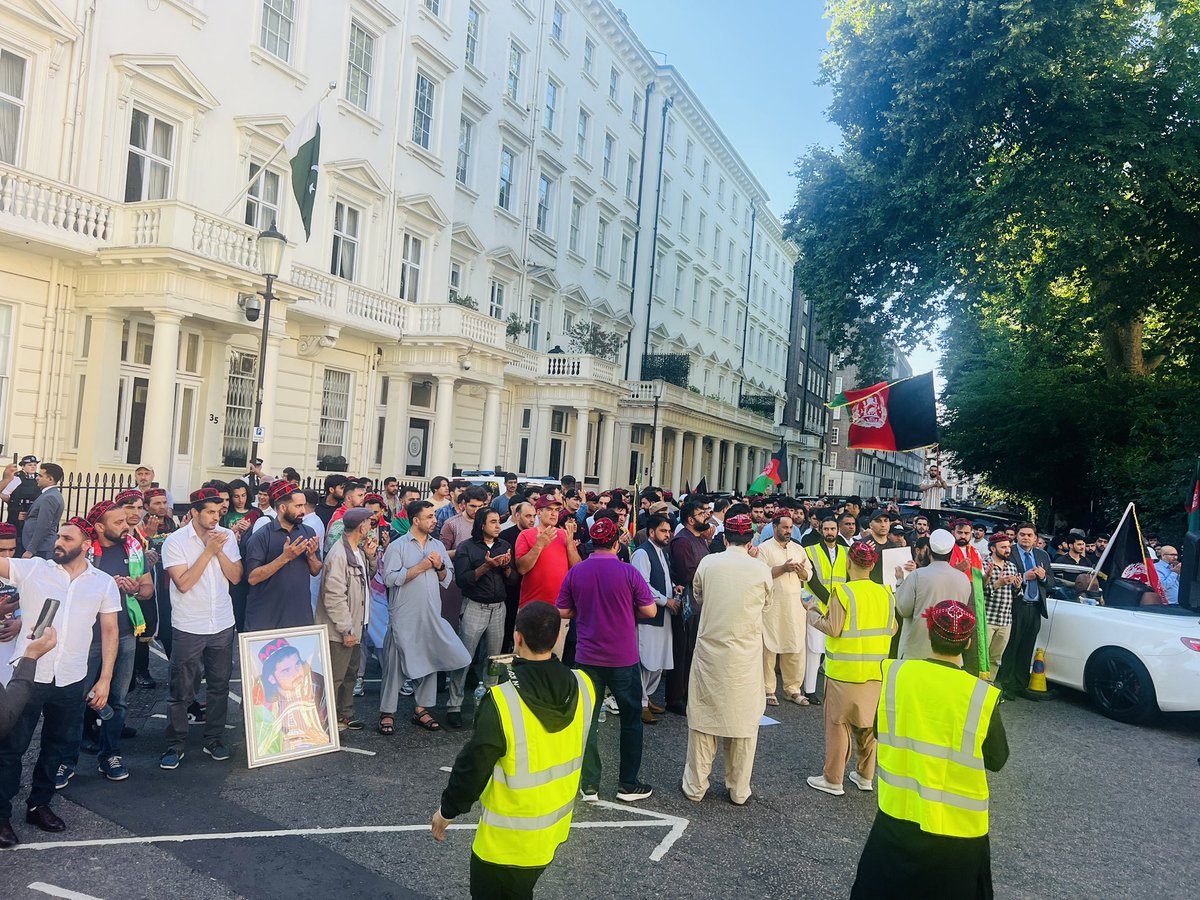
When PTM chapters announce protests in London or mobilize in the United States, they are operating as diaspora campaigns, not as spontaneous street anger from communities living under the daily threat of terrorism in Pakistan’s frontier belt. A PTM UK protest was advertised in London this week, PTM U.S. pages show organized chapter activity, and a White House sit-in was reported last year. The issue is not whether people abroad may speak.
The issue is that foreign capitals become a stage where a hard security conflict is repackaged into a simple morality tale designed for outsiders
PTM did emerge from real grievances. Reuters reported in 2018 that it drew large rallies around allegations of disappearances, extrajudicial abuses, and mistreatment in Pashtun areas shaped by the post-2001 wars in Afghanistan and Pakistan. But a movement born in pain does not stay above criticism forever. Once its rhetoric treats Pakistan’s security forces as the main villain while saying far less about the militant networks that slaughtered civilians, soldiers, teachers, and children, many Pakistanis stop hearing accountability and start hearing selective politics.
The strongest allegations against PTM should not be presented as courtroom facts when they are not. Still, they cannot be waved away either. A January 2026 report in The Friday Times discussed a Pashto memoir attributed to Taliban official Khalid Zadran that allegedly described contacts with PTM figures. Separately, a Pakistani analyst writing in BOLAQ argued that PTM’s use of the Lar aw Bar slogan sits inside a wider Pashtun nationalist tradition that rejects the Durand Line and leans toward a Greater Afghanistan idea. That does not prove every accusation. It does explain why suspicion around PTM has hardened.
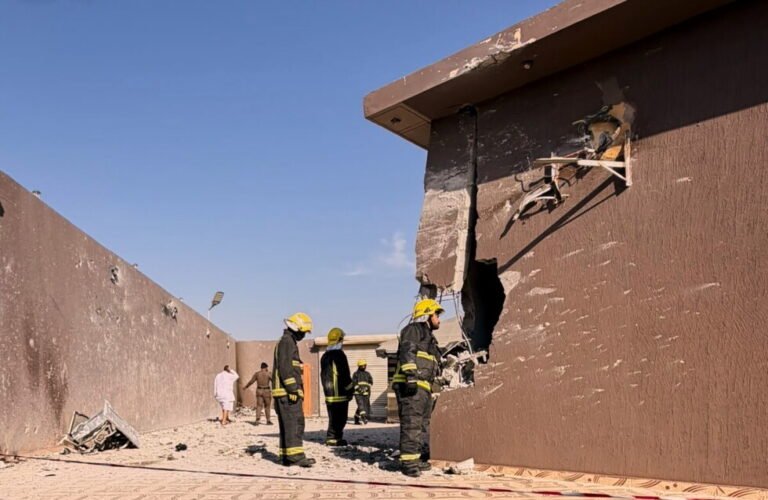
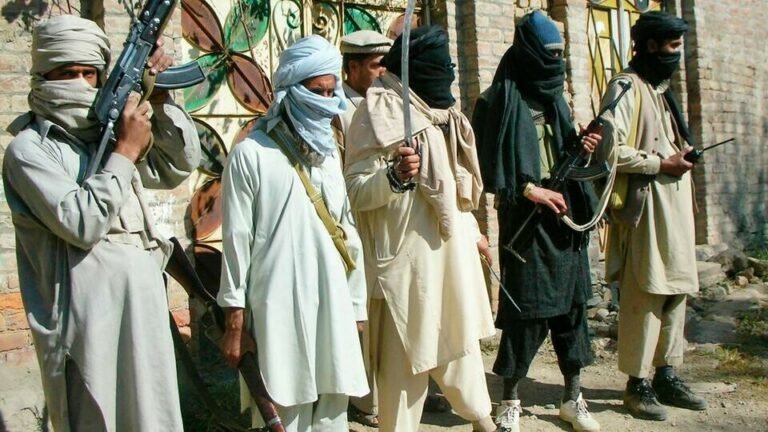
Pakistan’s security burden is not propaganda. It is a documented national trauma. Pakistan’s Foreign Office and Prime Minister’s Office both say the country has lost more than 90,000 lives in the fight against terrorism, and independent reporting shows that 2025 was Pakistan’s deadliest year in more than a decade. Reuters has also reported that Islamabad accuses Kabul of allowing militant sanctuaries on Afghan soil, a charge the Taliban denies. That is the real context. Pakistan is not dealing with a debating society. It is dealing with a live insurgent threat.
In that setting, PTM’s habit of spotlighting only state force looks less like courage and more like narrative distortion
None of this means every action by the Pakistani state is above criticism. Civilian harm, legal excess, and bad policy should be scrutinized. But Pakistan’s border actions also cannot be read in isolation. In late February 2026, the Foreign Office explicitly described its strikes as self-defence against attacks from Afghan soil, while Reuters and AP reported the resulting escalation alongside Pakistan’s claim that the Pakistani Taliban were being sheltered across the border. One may dispute tactics, but no state is required to absorb repeated attacks and pretend sovereignty means paralysis. PTM’s problem is that it keeps asking the world to see only the response, never the chain of violence that comes first.
The refugee question is similar. Pakistan’s repatriation policy is controversial, but controversy does not erase sovereignty. The Foreigners Act of 1946 gives the state authority over the entry, presence, and departure of foreigners, and the Passports Act of 1974 regulates entry into Pakistan through valid travel documents. Reuters reported in March 2025 that Pakistan ordered illegal foreigners and holders of Afghan Citizen Cards to leave, while UNHCR still acknowledged that Pakistan has provided refuge to millions of Afghans for more than four decades.
That record of hospitality should not be erased, and neither should Pakistan’s right to enforce its own laws. PTM’s language of ethnic victimhood on this issue is therefore unconvincing
PTM’s biggest political mistake is pretending it alone speaks for Pashtuns. It does not. Pakistani Pashtuns do not need lessons in dignity from activists performing grievance in London or Washington. They have buried the dead, served in uniform, voted, traded, built, and carried the hardest share of Pakistan’s frontier burden. They know the difference between rights advocacy and narrative warfare. National unity does not require silence about genuine abuses. It requires refusing to let legitimate pain be turned into a vehicle for agendas that weaken Pakistan at the very moment terrorism is surging again. That is why, to many Pakistanis, PTM no longer looks like a shield for the oppressed. It looks like a platform whose message increasingly serves forces hostile to Pakistan.

