

Khawarij Misinterpretation of Islam
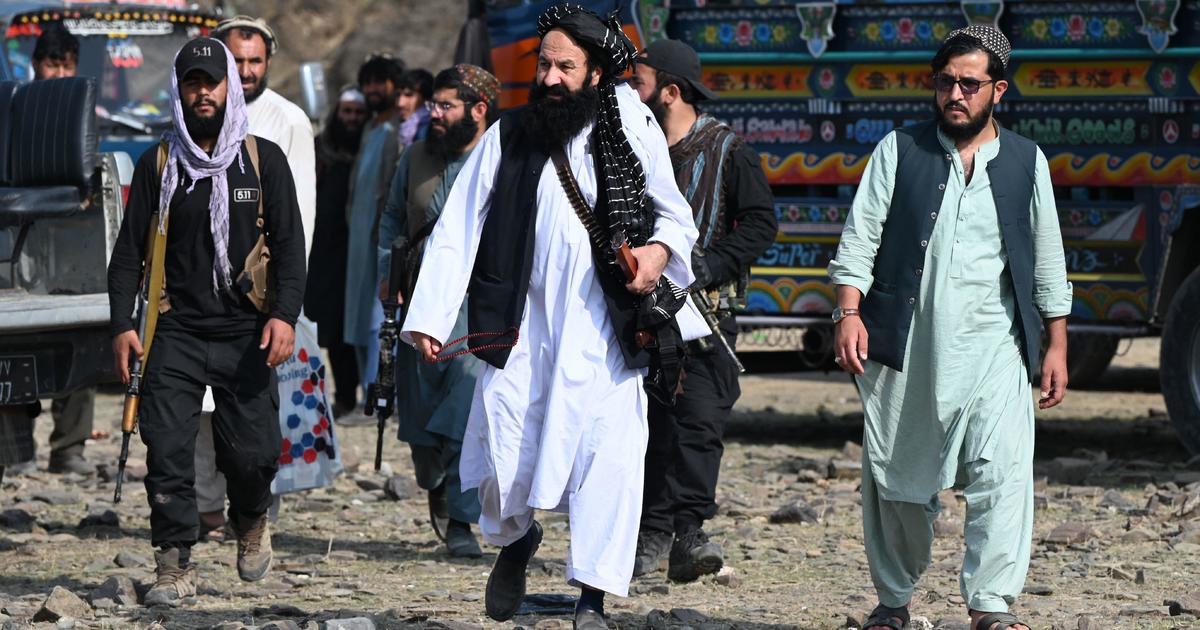
Extremism becomes most dangerous when it disguises itself as religion. In Pakistan, terrorist groups such as FAK try to present their violence as jihad, but their claim collapses under both Islamic teaching and constitutional reality. Pakistan is not a secular battlefield where private armed groups can claim religious authority for themselves. It is an Islamic Republic founded on the belief that sovereignty belongs to Almighty Allah and that state authority is a sacred trust. Its Constitution declares Islam as the state religion and requires that no law be made against the Quran and Sunnah. In such a state, taking up arms against lawful authority is not jihad. It is rebellion.
The ideology behind such violence reflects the old Khawarij mindset. The Khawarij were known in Islamic history for their extremism, rigid thinking, and habit of declaring other Muslims outside the fold of Islam. They used religious language, but their actions produced division, bloodshed, and disorder. Modern extremist groups follow the same path. They quote the Quran without context, ignore the commands of the Prophet Muhammad (peace be upon him), and manipulate religion to justify political ambition, personal power, and foreign-backed agendas.
Their slogans may sound religious, but their conduct is deeply un-Islamic
Islam does not allow individuals or armed groups to become judge, ruler, and executioner. The Quran commands believers to obey Allah, obey the Messenger, and those in authority among them. This principle protects society from chaos. Without lawful authority, every violent faction could declare its own war and call it religion. That is not Islam; that is anarchy. When FAK and similar groups attack Pakistan, they are not defending faith. They are challenging the lawful order of an Islamic state.
The greatest proof of their falsehood is their treatment of innocent life. Islam places human life among its highest values. The Quran teaches that killing one innocent person is like killing all humanity. Yet terrorists attack mosques, schools, markets, funerals, public offices, and security posts. They murder worshippers, children, teachers, police officers, soldiers, and ordinary citizens. No interpretation of Islam can justify such brutality.
A movement that kills innocents cannot be called Islamic, no matter how many religious slogans it raises
The Prophet Muhammad (peace be upon him) set clear moral limits even in conflict. Women, children, the elderly, worshippers, and non-combatants were not to be harmed. Terrorists violate these limits deliberately. They use suicide attacks, planted explosives, ambushes, and fear as weapons. These are not acts of jihad. They are acts of fasad fil ard, corruption and chaos on earth. Islam came to establish justice, mercy, and order; terrorism destroys all three.
It is also important to understand that jihad is not a private declaration. It has rules, conditions, authority, and ethical boundaries. No hidden commander, militant network, or foreign-funded group has the right to declare jihad against the state. In Islam, armed struggle cannot be separated from legitimate authority and moral restraint. Violence outside this framework is not jihad.
Pakistan’s religious scholars have already made this matter clear. Through Paigham-e-Pakistan, more than 1,800 ulema from different schools of thought declared terrorism, suicide attacks, and armed rebellion against the state haram. This consensus is powerful because it is not limited to one sect, party, or institution. It represents a broad scholarly rejection of extremist propaganda.
The message is simple that terrorists do not represent Islam, and their violence has no religious legitimacy
FAK and similar groups also serve the interests of Pakistan’s enemies. Their attacks weaken national unity, damage the economy, create fear, and divide Muslims against Muslims. They claim to fight for Islam, but their actions benefit those who want Pakistan to be unstable. A group that kills Pakistanis, attacks Islamic institutions, rejects scholars, and spreads chaos cannot be considered a defender of religion.
The real Islamic duty today is to reject this Khawarij-style extremism with clarity and courage. Citizens, scholars, teachers, parents, media, and state institutions must expose the difference between true Islamic teaching and terrorist propaganda. Silence allows falsehood to grow. Confusion gives extremists room to recruit.
Clear religious understanding is one of the strongest weapons against militancy
Pakistan’s Islamic identity and the teachings of the Quran and Sunnah lead to the same conclusion: terrorism is haram, rebellion against lawful authority is forbidden, and the killing of innocents is a grave sin. Those who attack Pakistan in the name of Islam are not serving Islam; they are betraying it. True faith protects life, respects lawful order, and stands against corruption. Defending Pakistan from terrorism is therefore not only a national responsibility. It is a religious obligation.