

Al-Qaeda Resurgence in Afghanistan Under Taliban Protection

Al-Qaeda’s Resurgence in Afghanistan Under Taliban Protection
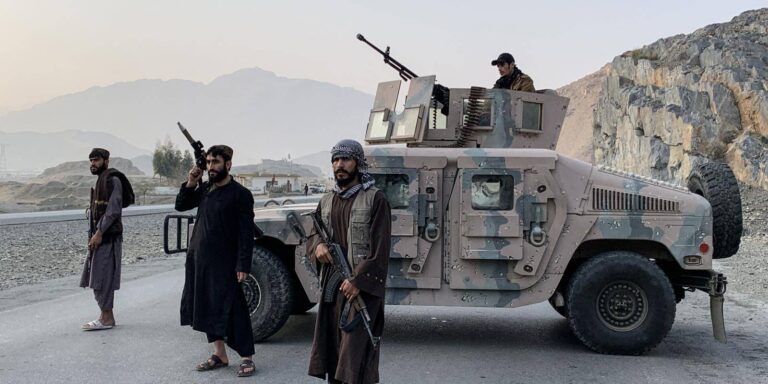
Al-Qaeda never really disappeared from Afghanistan, but what is happening now looks a lot like their full blown comeback. Since the Taliban took power in 2021, the group has been able to reestablish itself across the country. Besides, reports point to Hamza bin Laden who is Osama’s son, stepping into the spotlight alongside Saif al-Adel, an old Al-Qaeda hand. They have been quietly rebuilding camps, training fighters, and stitching together alliances with groups like the TTP, ISKP, and even the Balochistan Liberation Army.
Intensity of Al-Qaeda’ network in contemporary comeback
These are not just scattered hideouts anymore, the scale is alarming. This reference is to the facilities in over a dozen provinces, some of their set ups are also on abandoned US and British bases. Moreover, it is not just the usual weapons training, there are drone workshops, propaganda hubs, and a steady stream of recruits moving between groups.

Analysts estimate thousands of militants are active, roughly 7,000 TTP fighters. They include 1,500 from the BLA, and thousands more linked to Al-Qaeda, ISKP, ETIM, and Jaish-ul-Adl. Thus, it is a serious ecosystem of armed networks feeding off each other.
Support of Taliban to Al-Qaeda
There are also signs of open facilitation from parts of the Taliban. The reports of handing over of cash by Afghanistan’s 9th Border Brigade to the families of militants, who were killed inside Pakistan while fighting under the banner of Fitna al-Khawarij, is a case in point. The payout was not huge according to international standards, about 62,000 Afghanis per family, but it shows state-linked structures are still providing financial cover for cross-border operations.
Money is also flowing into the country from outside to help militants. According to an estimate, RAW has funneled nearly $300,000 to TTP this year alone. If it is true, this means Afghan soil is not just being used by Al-Qaeda and the Taliban but is also a playground for regional rivalries.
For Pakistan, that is a nightmare. A mix of Al-Qaeda veterans, TTP insurgents, and separatists like the BLA all are coordinating across the border which is a serious threat.
TTP and Afghanistan’s role in regional terrorism
The involvement of Taliban with Al-Qaeda makes its promises ring hollow. The international community remembers how they assured the world that Afghanistan will not become a base for international terrorism again. However, the evidence of its participation in militant activities in the region suggests the opposite. Moreover, camps in Kunduz, Logar, Nangarhar and Kandahar are not small-time operations, they have long term regional impacts. Some of the militant groups are even literally sitting where American or British soldiers used to be stationed, which feels like a cruel twist of the history.

The big question is what outcomes should be expected. The short answer is that if these groups keep consolidating, it is not just Pakistan which is in danger. Simultaneously, attacks in the Gulf, Europe, and even the US are not out of question.
The use of drones and modern technology in such operations means they could be more sophisticated than what the world saw before 9/11.
Challenges in dealing with terrorism
For Washington and Islamabad, this is a problem that cannot be ignored. Intelligence-sharing, joint pressure on the Taliban, and maybe even tougher sanctions are the obvious tools that can be used to deal with the problem. The bigger challenge is convincing other regional players like China, Iran, and the Gulf states that this is not just Pakistan’s headache. If Afghanistan becomes a sanctuary for global jihad again, it is going to spill far beyond South Asia.

What the world is looking at is a fragile moment. Twenty years of counterterrorism investment seems to have unraveled in just a few years. Moreover, unless there is a coordinated push to stop Al-Qaeda and its allies from digging in deeper, the world may be heading into another cycle of transnational terrorism. But this time the story should be different. All the regional and global countries should be able and willing to deal with terrorism by using experience, better technology, and a wider support network.
Disclaimer: The views and opinions expressed in this article are exclusively those of the author and do not reflect the official stance, policies, or perspectives of the Platform.