
Ashrafi’s Stance Exposes Fazlur Rehman’s Political Collapse
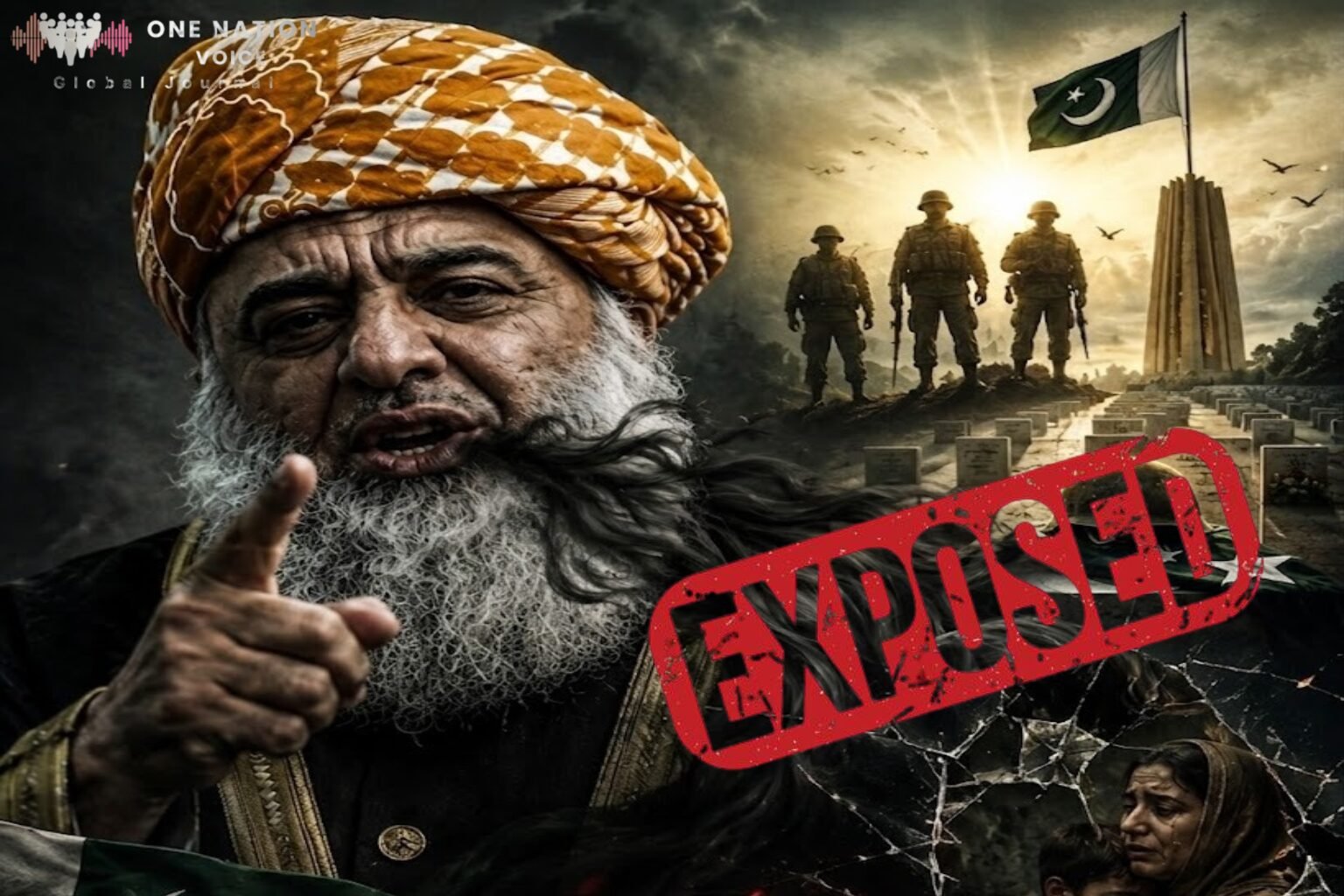
When Words Wound a Nation: The Martyrs Controversy and the Unravelling of Maulana Fazlur Rehman’s Religious Authority
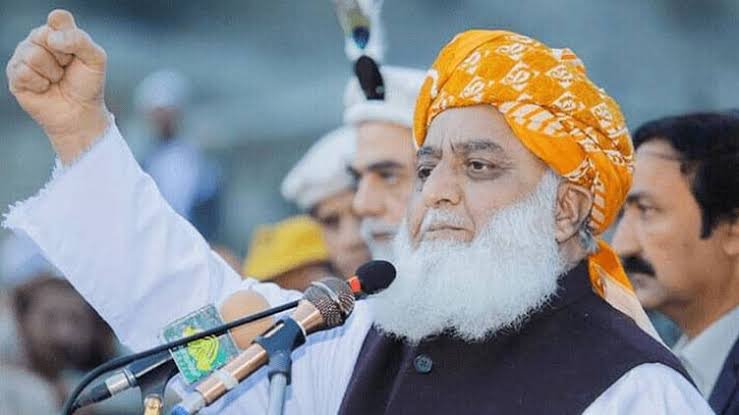
Pakistan has witnessed many political controversies, but few cut as deeply into the national conscience as the one that erupted following Maulana Fazlur Rehman’s remarks at a public gathering in Kasur on July 13, 2026. During the rally, Fazlur Rehman, while discussing the security situation in Khyber Pakhtunkhwa and Balochistan, referred to soldiers martyred in the line of duty as salaried employees assigned to defend the country. These words, whether intended as policy critique or political provocation, lit a fire that has since consumed much of what remained of his religious credibility.
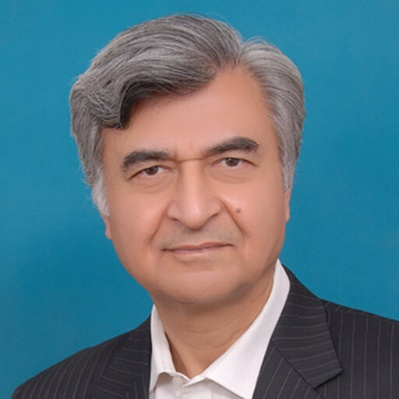
Moulana Fazlur Rehman’s politics stand exposed. Despite dismissing Hafiz Muhammad Tahir Mahmood Ashrafi, he repeatedly launches campaigns against him and fails. Out of 15 madrasa federations, 13 endorsed Ashrafi’s stance on martyrs, while the rest remain silent. Religious and political parties across Pakistan are holding press conferences against Fazlur Rehman for disrespecting martyrs. His religious and political support has collapsed due to his own policies and lust for power.
The backlash was immediate, broad, and unprecedented. Defence Minister Khawaja Asif described the comments as disappointing, saying he had expected greater responsibility from a senior politician and religious leader, and stated that linking the sacrifice of military personnel to their salaries was not only unfair but also hurt the sentiments of martyrs and their families. From cabinet ministers to provincial speakers, the condemnation was near unanimous across party lines. Punjab Assembly Speaker Malik Muhammad Ahmad Khan expressed strong disagreement with Fazlur Rehman’s remarks, describing the Pakistan Army as the guarantor of the country’s integrity.
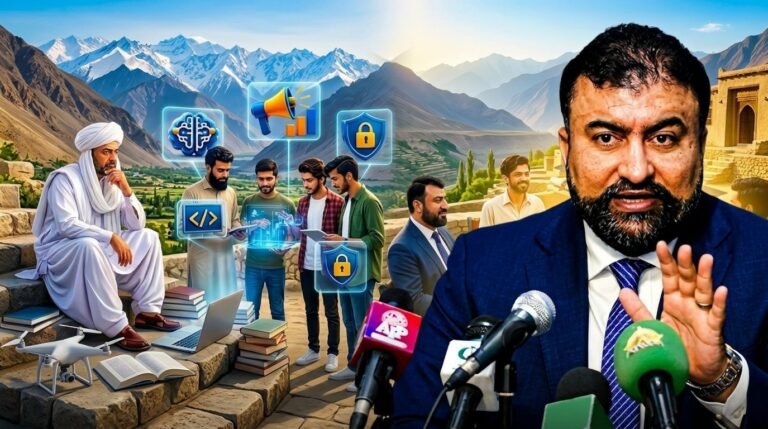
But perhaps the most significant response came not from politicians but from within the religious establishment itself. Hafiz Muhammad Tahir Mahmood Ashrafi, Chairman of the Pakistan Ulema Council and Prime Minister’s Coordinator for Religious Harmony, emerged as the most vocal and emotionally compelling voice against the remarks. Ashrafi became emotional during a press conference in Karachi alongside Sindh Chief Minister Murad Ali Shah, apologising to the families of martyrs over the controversy, saying: “I apologise to the families of our martyrs because these statements have caused them immense pain.”
Ashrafi’s response was more than diplomatic distancing. It was a comprehensive theological and moral rebuttal. He reminded the nation that the words “martyr” and “jihad” are not merely Pakistani terms but divine words that will endure until the end of time, quoting the Quranic injunction: “Do not call them dead, they are alive.” He stressed that soldiers were not defending the country’s borders merely for salaries but out of patriotism, faith, and a sense of duty, and urged politicians to avoid targeting state institutions for political purposes.
Ashrafi further noted that more than 8,000 religious scholars had themselves been martyred over the years and emphasised that no disrespect towards Pakistan’s martyrs or veterans would be tolerated. He also highlighted an important national achievement: more than 22,000 of Pakistan’s 35,000 seminaries had been officially registered, a quiet but powerful reminder of the institutional work being done while others engage in divisive rhetoric.
The controversy has exposed a deeper fracture within Pakistani religious politics. For years, Maulana Fazlur Rehman has positioned JUI F as the pre eminent voice of religious authority in the country. Yet the Kasur remarks have demonstrated the limits of that claim. The data provided by scholars on the ground shows that thirteen of Pakistan’s fifteen madrassa federations endorsed Ashrafi’s position on the martyrs’ issue, with the remaining two choosing silence over support for Fazlur Rehman, a telling indicator of where the religious consensus actually lies.
JUI-F’s Khyber Pakhtunkhwa chief Maulana Ataur Rehman attempted to contain the damage by claiming critics had created “an unnecessary storm” over an incomplete sentence from Fazl’s speech, insisting the remarks were taken out of context. Party spokesperson Hafiz Hamdullah similarly argued that the speech was being quoted out of context and that its central focus was criticism of state policy, not the military. But these defences have largely failed to satisfy a public that heard what it heard.
Sindh Governor Syed Muhammad Nehal Hashmi expressed hope that Maulana Fazlur Rehman would reconsider and withdraw his remarks, joining a chorus of voices ranging from federal governors to religious scholars demanding accountability. A Lahore sessions court also issued a notice to the National Cyber Crime Investigation Agency on a petition seeking registration of a criminal case against Fazlur Rehman over the controversial statement.
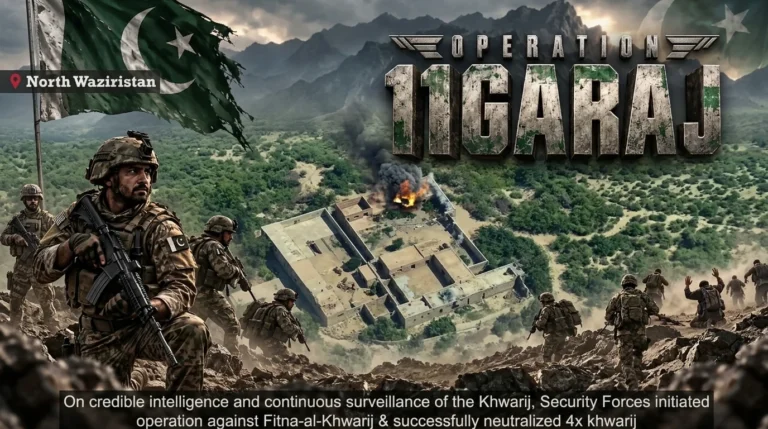
What this controversy ultimately reveals is the cost of political opportunism dressed in religious garb. Pakistan’s soldiers stand guard on borders in bitter cold, sacrificing Eids and Ramadans away from their families, watching over a nation that sleeps safely because of their vigilance. When terror strikes, from Balochistan to Khyber Pakhtunkhwa, it is these same men and women who run toward danger while others retreat.
To reduce their sacrifice to the transactional language of employment of salaries and assignments is not merely a political miscalculation. It is a moral failure.
Ashrafi’s counter narrative stands on far firmer ground, both morally and theologically. His voice, backed by the consensus of the ulema, the madrassa federations, and the families of the fallen, represents what Pakistan truly believes: that a shaheed is a shaheed, that a ghazi is a ghazi, and that no political calculation justifies dishonoring those who gave everything for this soil.
The episode has exposed that influence built on institutional structures and genuine religious consensus outlasts influence built on political maneuvering alone. The nation’s martyrs deserve better than to be made footnotes in anyone’s political narrative, and the Pakistani public, judging by the overwhelming backlash, knows it.
Disclaimer:
The views and opinions expressed in this article are exclusively those of the author and do not reflect the official stance, policies, or perspectives of the Platform.