


Kech’s Balicha Abduction and the Cost of Selective Outrage
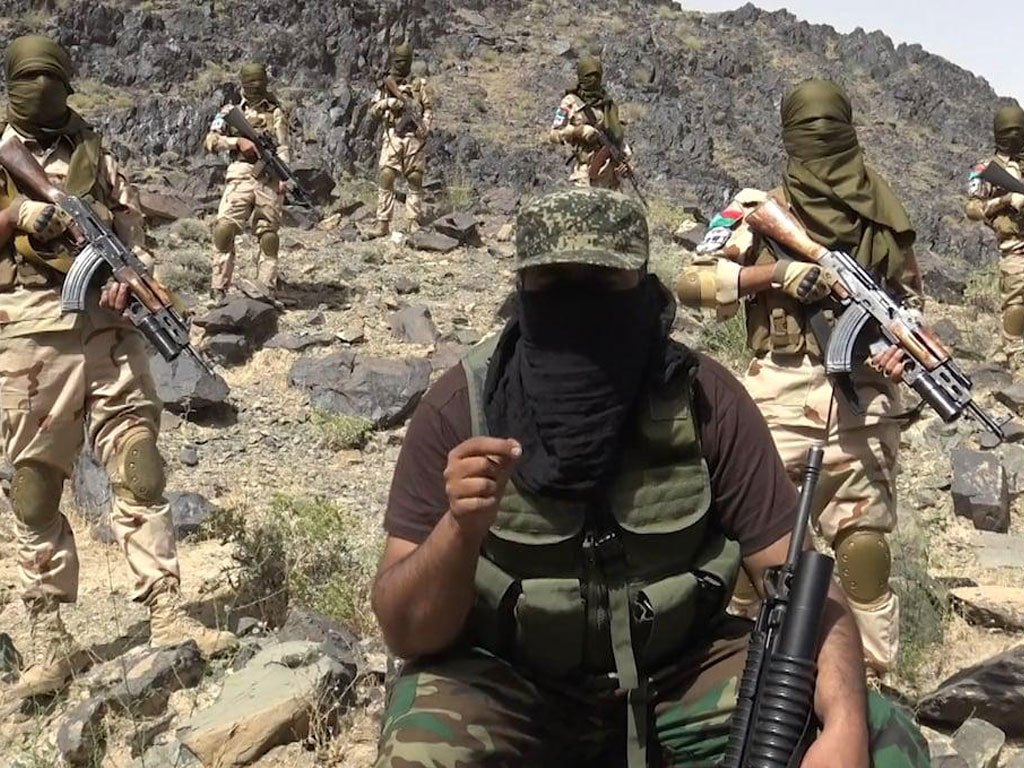
The abduction of Nargis in Kech’s Balicha area on January 28, 2026, should end any confusion about who pays the price in Balochistan’s long conflict. It is not the armed men who claim to fight for a cause, and it is not the loud voices that debate the region from a safe distance. It is ordinary families, pulled into terror without warning. A woman was taken at gunpoint in the early evening, reportedly by militants linked to the banned Balochistan Liberation Army, and the incident happened in a way that felt deliberate: a vehicle stopping outside a house, armed men acting quickly, then disappearing before help could arrive.
People often talk about violence in Balochistan as if it is abstract, as if it exists only in statements, slogans, and counter slogans. Abduction brings it back to the human level. Someone is missing, someone’s home is now a crime scene, and a family is forced to imagine every possible outcome. This is why abduction is one of the ugliest forms of violence.
It not only harms a person, but it also takes over the lives of everyone connected to them. It turns time into a weapon, each hour without news becoming another blow
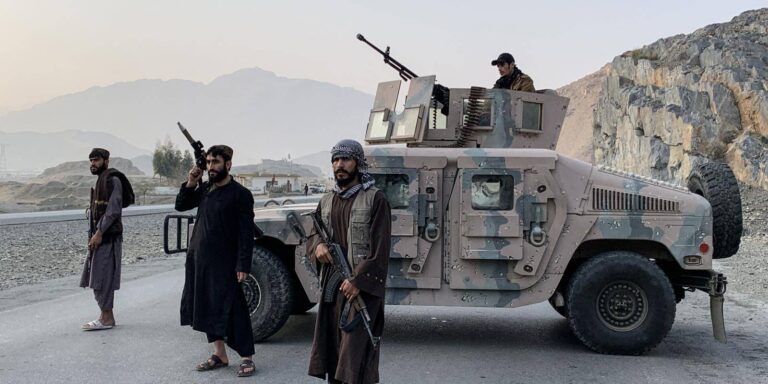
The details reported about the family pursuing the car and intercepting it near Nasirabad show something else, too: how often civilians are left to respond first. When the husband and nephew confronted the abductors, one militant stepped out carrying a Kalashnikov, and then additional militants arrived on motorcycles. That matters because it shows planning and backup. It suggests the abductors expected resistance and had a method to overpower it. When militant groups operate like this, they are not “spontaneous fighters.” They are organised actors who choose targets, choose timing, and use intimidation as a tool.
The reported assault on the family and confiscation of their mobile phones points to a pattern that should be called out clearly. Taking phones is about erasing a trail and cutting a community’s ability to mobilise. It is a way to control the story before it even reaches police stations, journalists, or neighbours. It also signals impunity. Militants act as if they can manage witnesses the same way they manage territory, with fear and force. In places where the state’s presence is inconsistent, intimidation becomes more effective, and that is exactly what militant groups rely on.
There is a gendered cruelty here that cannot be softened with political language. When women are abducted, the violence targets the victim and the social fabric around her. In many communities, women carry the weight of family dignity in the public imagination, and militants exploit that. Even rumours can damage a woman’s future, her mental health, and her family’s standing. This is why abduction is not only a security issue, but it is a social attack.
It punishes families for existing in the wrong place, and it forces whole communities into silence because speaking up can bring shame and danger at once
Supporters and sympathisers of militant causes often respond to criticism with a familiar argument: that the violence is a reaction, a symptom, a response to injustice. That argument collapses when the target is a civilian woman taken from a home area. There is no logic that turns an abduction into a moral act. If a group claims it is fighting oppression but uses the tools of oppression against civilians, it is not resisting injustice; it is reproducing it. The tactic becomes the ideology. And the tactic here is coercion.
This is where selective narratives become dangerous. Groups and activists linked in public discussion to the BLA ecosystem, including the Baloch Yakjehti Committee, often dominate parts of the discourse around “missing persons” and human rights. If they want credibility beyond their own circles, they cannot treat some victims as worthy and others as inconvenient. Silence on abductions carried out by militants, or vague statements that refuse to name the perpetrators, creates a moral double standard.
It tells the public that pain only matters when it serves a political line. That approach does not build justice; it builds propaganda
At the same time, the state also has responsibilities that cannot be dodged. If the government and security agencies want people to reject militants, they must offer a real alternative: security that is timely, policing that is professional, and accountability that people can see. Rescue operations matter, and every effort should be made to recover Nargis safely. But long-term trust will depend on prevention, not only reaction. Communities need safer local roads, better monitoring of armed movement, and protection for families who report threats. They also need confidence that justice will follow, including arrests, prosecutions, and dismantling of networks, not just temporary crackdowns that fade after the headlines.
A clear line must be drawn across society, from officials to activists to media: abducting civilians is not politics. It is organised crime with a flag attached. If the region’s future is to be something other than endless retaliation, then every actor must be judged by the same basic standard. You cannot claim to speak for the people while terrorising the people. You cannot argue for rights while trampling the rights of a woman dragged into a car at gunpoint. Whatever the larger conflict is, the moral test is simple, and Balicha has shown exactly who failed it.

