



PM Shehbaz Calls on IMF to Consider Flood Damage in Review
Pakistan’s Flood Crisis and the IMF Appeal
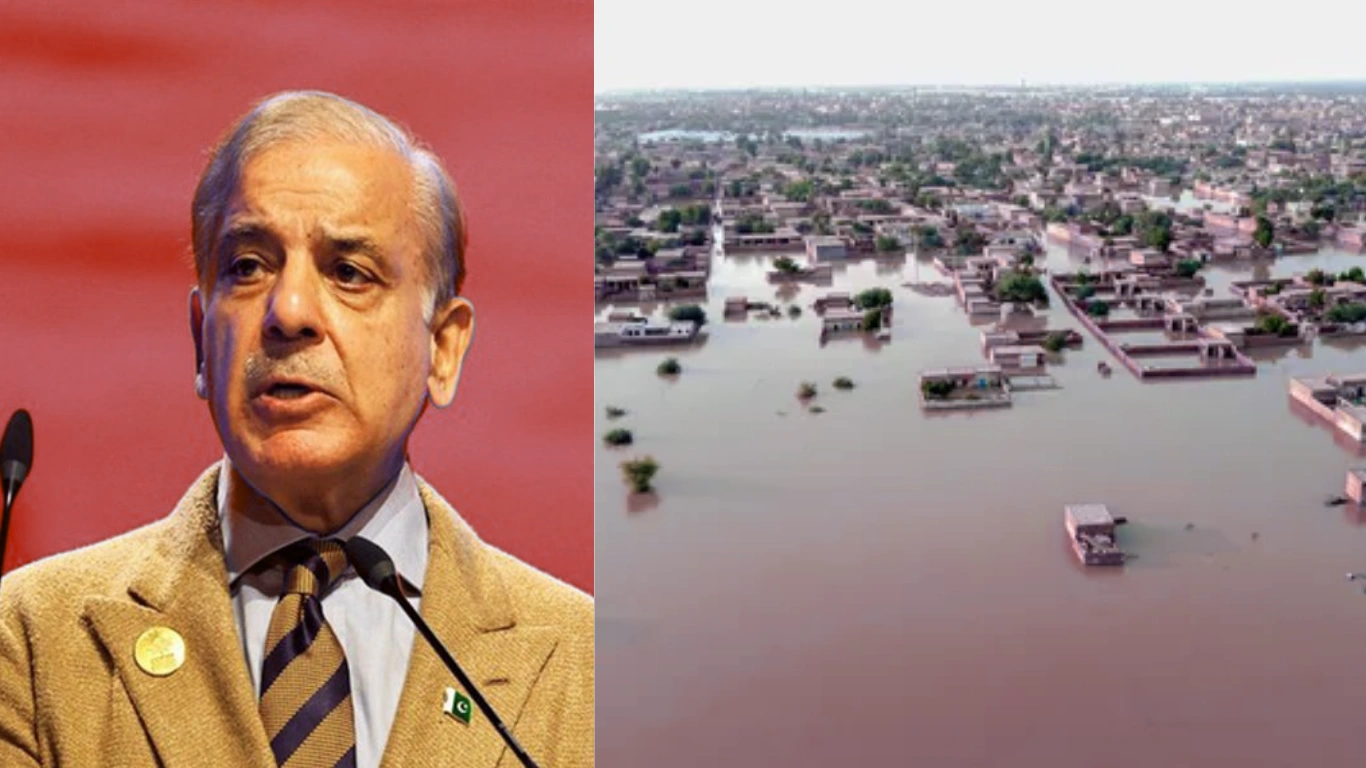
In September 2025, PM Shehbaz Sharif made a high-stakes plea to the International Monetary Fund, urging the institution to factor in flood damage as it reviews Pakistan’s economic program. The monsoon floods that battered Punjab, Sindh, and Khyber Pakhtunkhwa have left behind millions of acres submerged, crops ruined, and supply chains strained. Amid this devastation, Shehbaz pressed the IMF to show flexibility in its loan conditions and recognize that this shock has altered Pakistan’s economic trajectory.
Why This Appeal Matters
The Scale of the Flood Damage
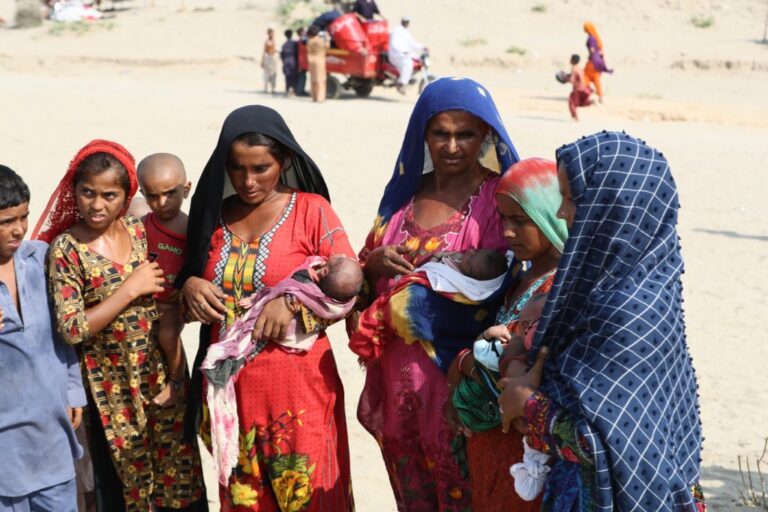
Heavy rains and dam releases have submerged vast farmlands and destroyed crops across key provinces. Agriculture, which is a backbone of Pakistan’s economy, has taken a direct hit. In Punjab alone, over 1.8 million acres of land are affected, and rice fields across the country have suffered severe losses. This destruction threatens food security, export revenues, and rural livelihoods.
IMF’s Upcoming Review & Pakistan’s Obligations
Pakistan is under a $7 billion Extended Fund Facility (EFF). The IMF’s review, scheduled in late September, will assess whether Islamabad has met quantitative performance criteria and is on track for fiscal targets. But with the floods, Shehbaz argued the ground has shifted. He urged that contingency allocations, emergency spending, and budget flexibility be integrated into the assessment, not penalized.
Also Read:Pakistan Stands Together Transcends Ethnicity in Flood Relief
Risks to Growth and Fiscal Stability
The floods act like a double-edged sword. On one side, they slash output in agriculture and textiles, industries vital to exports and GDP. On the other, they force the government to divert spending toward relief and reconstruction, stressing an already tight fiscal envelope. Without IMF understanding, Pakistan risks missing targets, losing loan disbursements, and triggering macro instability.
Challenges in Securing Relief from IMF
- Incomplete Damage Assessment
The government’s flood damage tally is still evolving. Without precise data, the IMF may hesitate to grant concessions or leniency. - Rigid Programme Conditions
IMF criteria focus on primary balance, deficit limits, and debt trajectories. These don’t always allow for sudden shocks like disasters. - Credibility & Conditionality Pressure
The IMF must protect its own credibility. Granting blanket relief sets precedent. Pakistan must show spending discipline. - Political & Institutional Constraints
Allocations for disaster relief must compete with normal development spending. Plus, bureaucratic delays and provincial coordination complicate execution.
A Balanced Path Forward: Recommendations
- Prioritize the real data: Finalize and publish a rigorous Post-Disaster Needs Assessment to underpin all appeals.
- Negotiate conditional flexibility: Ask IMF for temporary relaxations on deficit or surplus targets to absorb flood-induced spending.
- Ring-fence reconstruction funds: Use contingency pool or external grants for relief, so regular operations aren’t derailed.
- Boost agricultural support: Launch subsidy, insurance, and credit packages for farmers in flood districts.
- Iterate transparency: Public reporting of relief, reconstruction, and spending will build confidence domestically and internationally.
🔹 5 Key Takeaways
- 🔹 Pakistan’s monsoon floods have inflicted massive agricultural and infrastructure losses.
- 🔹 Shehbaz urges IMF to account for flood damage in the upcoming review.
- 🔹 Pakistan’s targets under the $7B EFF are now under threat due to the disaster.
- 🔹 The government must deliver a transparent damage assessment and reconstruction plan.
- 🔹 Flexibility, not waiver, is the objective — conditional relief with oversight.
Conclusion
PM Shehbaz’s appeal to the IMF is not merely rhetorical. It underscores a national survival test: can Pakistan reconcile its bailout commitments with a sudden climate shock? The floods are not an external footnote — they are now a core part of the economic narrative. If the IMF insists on blind rigidity, Pakistan risks collapsing under stress. If it shows measured empathy and flexibility, it can help stabilize growth, restore confidence, and prove that nations must adapt financial frameworks to live with climate realities.

