

Telangana Plans Legal Action Against Karnataka Over Almatti Dam
Telangana Plans Legal Action Against Karnataka Over Almatti Dam
Telangana is gearing up to drag Karnataka to court over its plan to raise the Almatti Dam’s height on the Krishna River. Both states are ruled by Congress, yet that has not stopped them from clashing over water. It is a messy fight, but also a telling one that India has long used rivers as a bargaining chip against its neighbors, and now it is trapped in the very chaos it once inflicted outside its borders. In 2025, the phrase fits perfectly that India is tasting its own medicine.

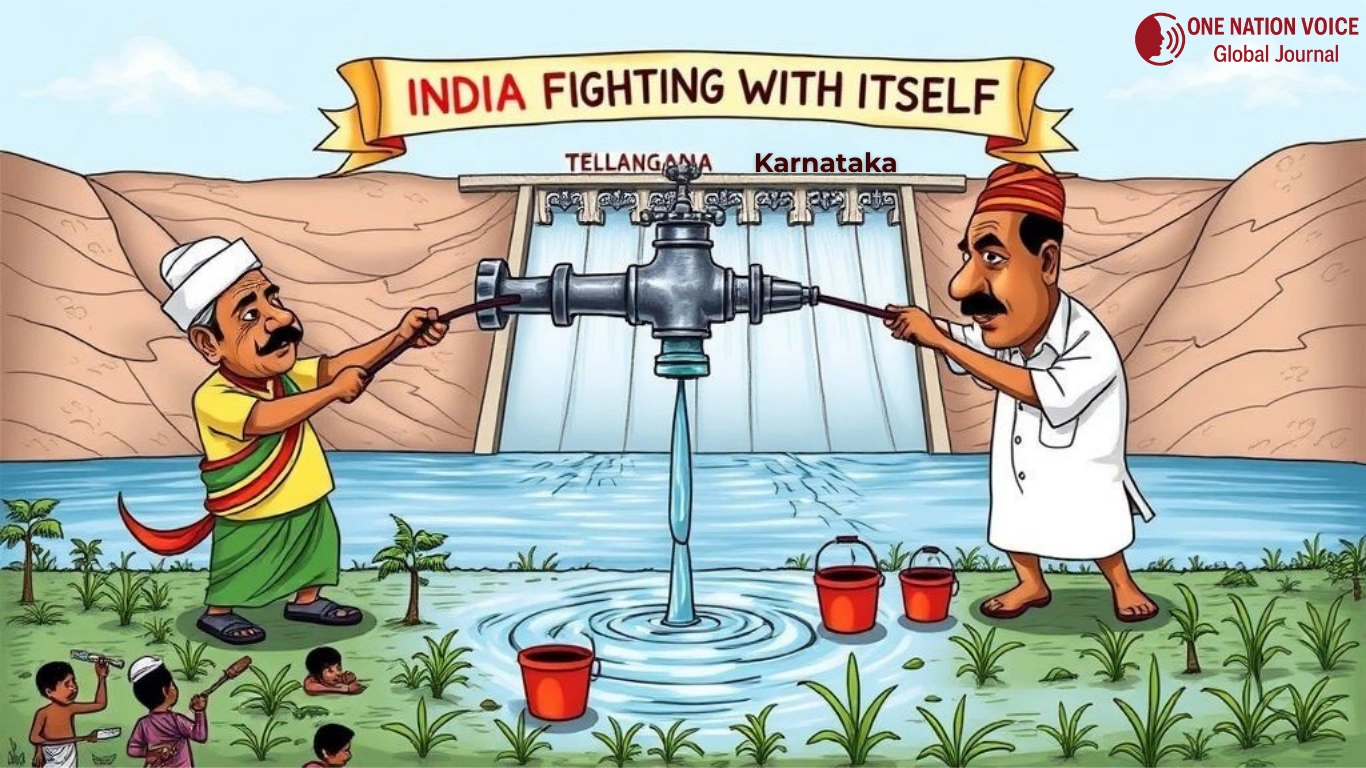
India Fighting with Itself
The Telangana–Karnataka spat is not happening in a vacuum. India has been drowning in water feuds for decades.
Think of the Cauvery battle between Karnataka and Tamil Nadu every few years it explodes on the streets. Even the Ravi-Beas mess that has had Punjab, Haryana, and Rajasthan dragging each other through tribunals for half a century, remains unresolved.
Notably, Odisha and Chhattisgarh trade blame over the Mahanadi. Moreover, Punjab farmers accuse others of siphoning their lifeline. And hanging over all this is China’s grip on the Brahmaputra upstream, where India has almost no leverage.
When you zoom out, India struggles to manage rivers inside its own borders. That makes its claims of leadership in handling international river disputes sound hollow.
Playing Hardball with Pakistan
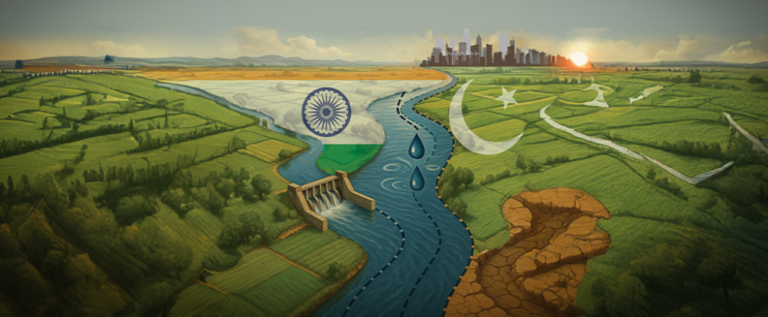
This year, India went one step further and suspended the Indus Waters Treaty, the one deal that worked between India and Pakistan since 1960. By cutting off data sharing and inspections, Delhi hoped to punish Islamabad for alleged terror ties. The problem? The move rattled everyone else too.
Millions in Pakistan’s farm belt depend on that water, and suddenly their future looked uncertain. International observers called out India for breaking a World Bank brokered treaty. Investors got spooked, not just in Karachi but in Indian markets too, worried about tit for tat retaliation. What was supposed to be a show of strength ended up making India look reckless and insecure.

Water is not just about politics it is the base of India’s economy. Over 600 million people already live under severe water stress. Delhi, Bengaluru, and Chennai are running out of groundwater. By 2030, economists warn India could lose 6 percent of its GDP to water scarcity.
Furthermore, Hydropower plants are feeling it too. Projects like Baglihar or Bhakra cannot run smoothly when reservoirs fluctuate wildly. That means energy shortages on top of drinking water and irrigation crises. It’s hard to talk about becoming a global power when you can’t keep the taps running at home.
Politics Makes It Worse
What is striking is how water has become a political weapon inside India. Telangana and Karnataka are both Congress states, yet they are at each other’s throats. The BJP led central government has not been able to enforce tribunal rulings elsewhere either. Every summer, farmers hit the streets demanding their share. For politicians, water is not just a resource, it is an election issue, a rallying cry, sometimes even a way to stir up regional pride against “outsiders.”
The Human Cost
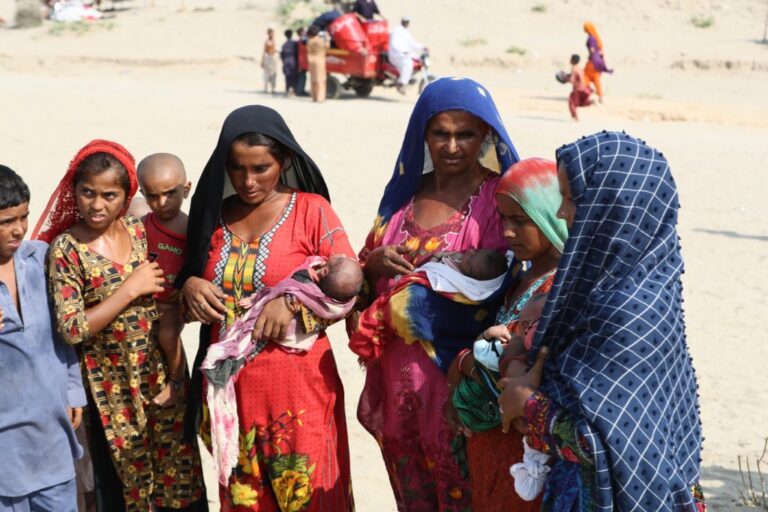
All these fights and court battles often overlook the real crisis that ordinary people face. Rural families watch their crops fail year after year. Young men migrate to cities because farming no longer sustains them. Urban poor wait hours in line for tankers or fall sick from contaminated supplies. Dam projects displace entire communities, who are left with broken promises of rehabilitation. Protests flare up because people feel abandoned, and some of them turn violent.

For all the grand talk of India as Vishwaguru, a teacher to the world, it’s sobering that millions of its citizens cannot count on clean drinking water.
For decades, India tried to use rivers as bargaining chips, especially against Pakistan. But now, the tables have turned. The country is fractured by internal disputes, cornered by China’s upstream control, and drawing global criticism for ripping up agreements it once championed.
It is a bitter irony. The same playbook India used against others is now being used against itself by its own states. And with climate change, population growth, and short-term politics colliding, this isn’t just about the Almatti Dam. It is a warning of what is coming is more wars, more instability, more human suffering.
India wanted to weaponize water. In 2025, it is clear the weapon has boomeranged. The country is stuck in a trap of its own making, and the exit looks harder every year.
The views and opinions expressed in this article are exclusively those of the author and do not reflect the official stance, policies, or perspectives of the Platform.

