
The Reality Behind the Arrest of Zubair Shah Agha
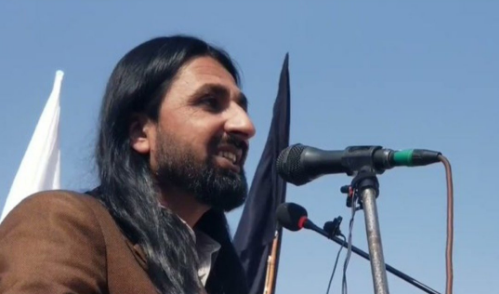
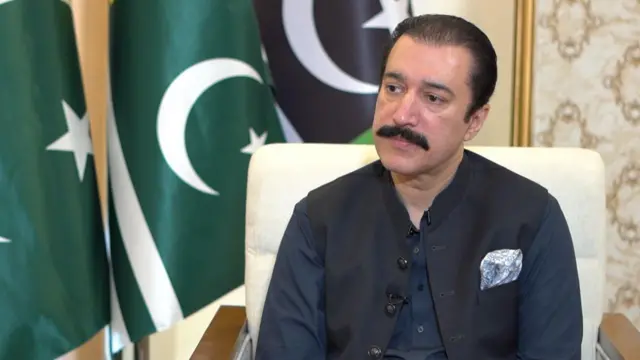
The arrest of Zubair Shah Agha, a senior figure associated with the Pashtun Tahaffuz Movement, must be understood beyond emotional slogans and selective narratives. It is not an isolated police action, nor should it be reduced to a simplistic debate between activism and repression. It falls within a broader security and legal context in which Pakistan has been compelled to act against organizations accused of operating beyond lawful political expression. When any group is formally proscribed under the Anti-Terrorism Act, its members, coordinators and public platforms come under legal scrutiny. This is not optional for law enforcement; it is a statutory responsibility linked to public order, national integrity and citizens’ safety.
Pakistan is not opposed to peaceful dissent, nor can any democratic state deny citizens the right to raise grievances. However, dissent loses constitutional protection when it overlaps with campaigns that delegitimize the state and create space for extremist narratives. The PTM’s public messaging has long been defended by its supporters as rights-based activism, yet the state’s position is that the movement crossed critical legal and security thresholds.
Once the organization was placed in the category of a banned outfit, its mobilization, coordination activities and attempts to build alliances with other pressure groups became legitimate concerns for police and security agencies
The reported attempt to create alignment between PTM elements and the Baloch Yakjehti Committee in Quetta raises a serious question: why are different ethnic fault lines being merged in a strategically sensitive province already facing separatist violence and cross-border militancy? Political activity is one thing; synchronized agitation in fragile border regions is another. Pakistan’s adversaries have repeatedly tried to exploit local grievances by transforming them into anti-state campaigns. In such an environment, any convergence between banned or controversial groups cannot be viewed casually. It must be examined through the lens of hybrid warfare, where street pressure, digital propaganda, lobbying and selective rights messaging weaken the state’s writ.
This is where the arrest of Zubair Shah Agha becomes politically significant. His role as an information coordinator was not merely symbolic. In the modern security environment, information is an operational tool. Narratives can mobilize crowds, influence foreign observers, pressure courts and manufacture the impression of nationwide unrest. When a proscribed organization seeks visibility through digital platforms, protest camps and cross-provincial networks, the state is justified in asking whether this activity is lawful activism or an organized challenge to national stability.
Law enforcement action should not automatically be portrayed as persecution. It may also be preventive governance where delayed action can carry grave consequences
Pakistan has paid an enormous price for terrorism. Civilians, soldiers, police personnel, tribal elders, teachers, workers and children have been targeted by groups such as the TTP, BLA and BLF. These organizations do not represent political dissent; they represent armed violence against the state and society. No political movement can claim democratic legitimacy while directly or indirectly providing narrative cover to organizations that kill Pakistanis. If any activist group rationalizes attacks, glorifies militants, or presents terrorists as victims while ignoring their victims, the state has the right and duty to intervene. Freedom of speech cannot become a shield for extremism.
The missing persons narrative also requires a more responsible national conversation. Genuine grievances must be investigated through legal mechanisms, and families deserve dignity, transparency and due process. At the same time, the issue must not be weaponized to inflame public sentiment or malign the entire security structure of the country. In conflict zones, cases are often complex. Some individuals may be under investigation, some may have crossed borders, and some cases may require judicial clarification. Turning every claim into a ready-made indictment of the state is not human rights advocacy; it is political spin.
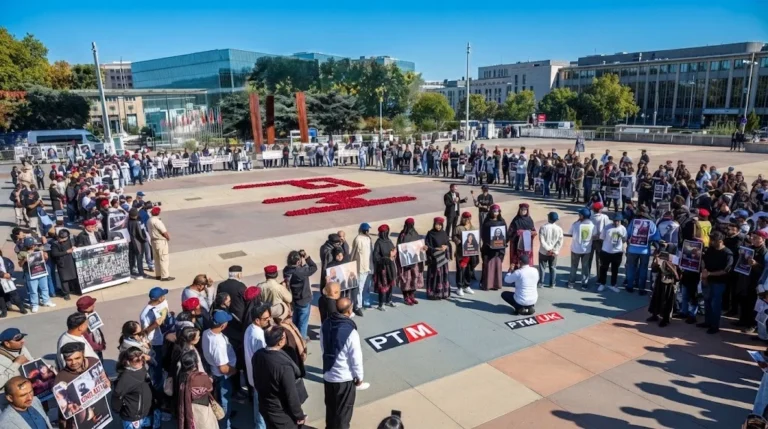
Foreign-based campaigns further complicate the situation. Many overseas networks present themselves as neutral defenders of rights while selectively amplifying only narratives that damage Pakistan’s international image. They rarely acknowledge terrorism, foreign sponsorship, separatist violence, attacks on security forces, or the suffering of ordinary Pakistanis living under militant threats. This selective morality exposes the political nature of their activism. Pakistan, like any sovereign state, has the right to reject external pressure that ignores its security realities.
No foreign organization, diaspora platform or lobbying group can dictate how Pakistan enforces its anti-terrorism laws
The arrest of Zubair Shah Agha should therefore be judged through law, evidence and national security, not through emotional propaganda. If he is innocent of any wrongdoing, legal forums exist for relief. If the authorities possess evidence of unlawful coordination, violation of restrictions or support for destabilizing networks, then the matter must proceed firmly and transparently. The answer is neither mob pressure nor foreign interference, but due process under Pakistani law.
At a time when Pakistan faces terrorism, economic pressure, regional instability and hostile information campaigns, the state cannot afford ambiguity toward banned organizations. Peaceful politics must remain protected, but organized defiance of anti-terrorism laws cannot be tolerated. The reality of this arrest is simple: sovereignty requires enforcement, rights require responsibility, and national security cannot be sacrificed to slogans.

