





Another Evidence Emerges of Afghan Soil Being Used for Terrorism against Pakistan
Afghan Soil, Pakistani Blood: The Undeniable Terror Nexus
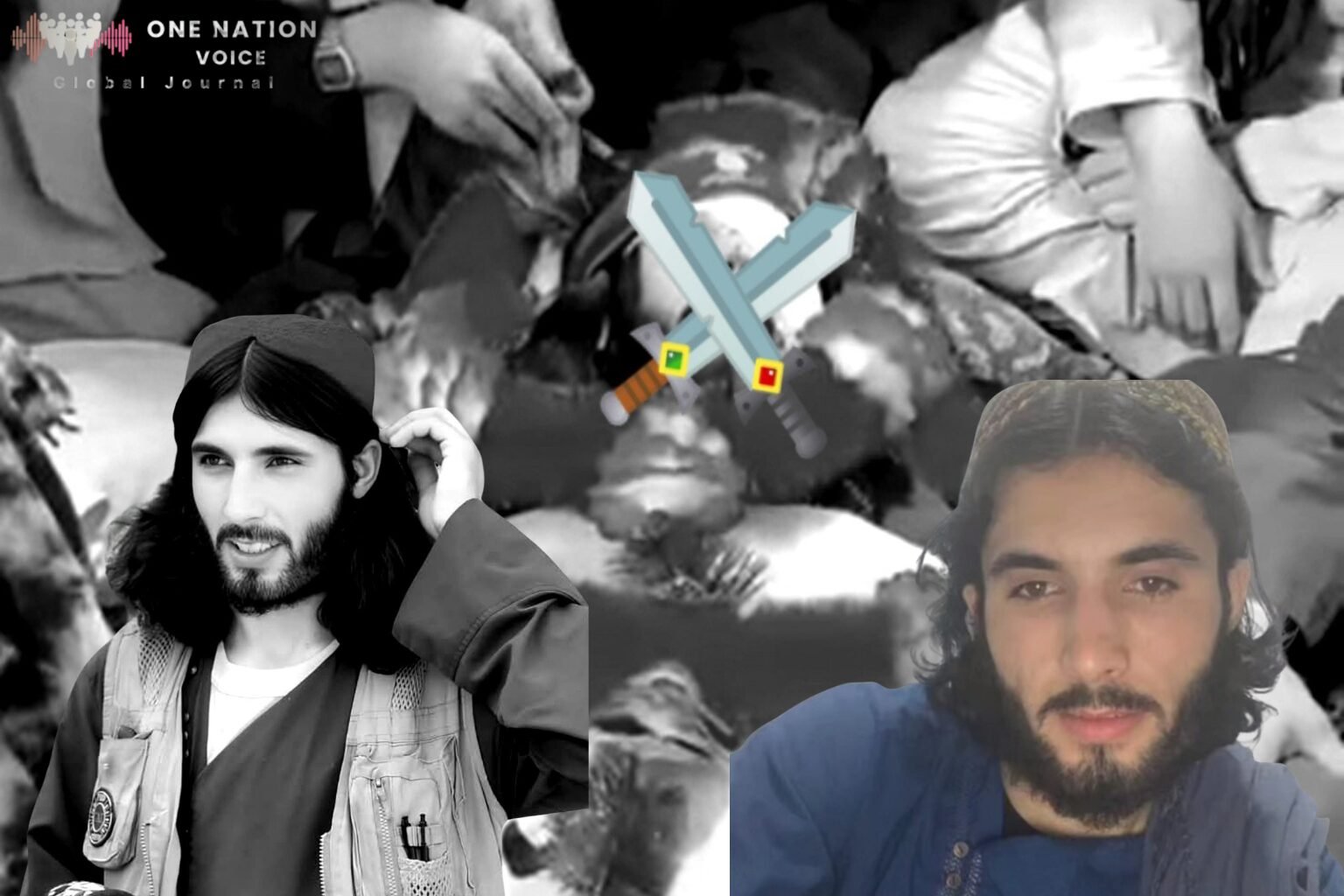
The body of Zahidullah alias Zulqarnain, son of Afzal Khan, a resident of Paktia Province Afghanistan, recovered from the soil of Orakzai district Pakistan Khyber Pakhtunkhwa, is not merely a statistic. It is a testament. A testament to a pattern so well documented, so repeatedly evidenced, and so consistently denied that its continued dismissal by Kabul Taliban rulers has crossed the threshold of credibility into wilful complicity.
Zahidullah was killed during an armed clash between Fitna al Khawarij and Jamaat ul Ahrar terrorists a confrontation that claimed five lives from both sides. He was not a refugee. He was not a migrant worker. He was an Afghan national, identified and confirmed, fighting deep inside Pakistani territory as an operational member of a designated terrorist network. His death is not an isolated incident it is the latest data point in a damning body of evidence that Pakistan has spent years compiling and the world has been slow to acknowledge.
Since the start of 2025, more than 300 Afghan nationals have been killed while actively fighting alongside terrorist organizations inside Pakistan. Let that number sink in. Three hundred. Not suspects, not persons of interest confirmed combatants, recovered on Pakistani soil, belonging to groups whose command structures training camps logistical networks are rooted across the border in Afghanistan. Pakistani security sources have documented that 265 Afghan nationals were directly involved in suicide bombings and other terrorist attacks in Pakistan between 2022 and 2025, with documented links to attacks in Peshawar Bannu Besham North Waziristan Tank Dera Ismail Khan.
This is not allegation. This is evidence.
The operational footprint of Fitna al Khawarij across Pakistan border regions has been well established through intelligence based operations. In October 2025, security forces launched a major operation in Orakzai district following the presence of Fitna al Khawarij terrorists an operation during which 30 terrorists were eliminated, but not before Pakistan paid the ultimate price, losing Lt Col Junaid Tariq and Major Tayyab Rahat alongside nine soldiers. The Army Chief, visiting the troops, was unambiguous: terrorist groups including Fitna al Khawarij continued to operate from Afghan soil against Pakistan, and the use of foreign weapons in recent terrorist attacks was clear evidence that Afghanistan remained a safe haven for such elements.
The pattern did not relent. In November 2025, Pakistan Interior Minister Mohsin Naqvi confirmed before parliament that both suicide bombers who struck Islamabad and South Waziristan that week were Afghan nationals. In February 2026, a suicide bombing struck a mosque in Islamabad, followed by a Jamaat ul Ahrar assault in Bajaur. Pakistani security services presented what they described as irrefutable evidence connecting these attacks to Afghan based command structures. The response came swiftly precision air strikes under Operation Ghazab Lil Haq targeting terrorist camps in Nangarhar Paktika provinces, followed by strikes on Fitna al Khawarij and Jamaat ul Ahrar camps in Paktia Paktika Kunar as recently as June 28–29 2026.
As recently as this month, investigators uncovered a direct nexus between Fitna al Khawarij and Jamaat ul Ahrar in connection with the Karachi Rangers attack, with Afghan soil once again confirmed as the planning ground.
The geographic and operational pattern is impossible to explain away. Khyber Pakhtunkhwa remains the worst hit region in Pakistan quarter after quarter, the violence concentrated precisely along the Afghan border corridor. In April 2025, Pakistani forces engaged a large group of terrorists attempting infiltration along the Pakistan Afghanistan border near Hassan Khel North Waziristan, killing 71 in just two days of clashes. These were not individuals who stumbled across a border they were organized assault formations attempting coordinated infiltration.
Kabul denies all of it. The Taliban government unrecognized by any country in the world continues to reject Pakistani allegations as fabrications, even as body after body of its own nationals is recovered from Pakistani territory bearing the insignia of terrorist networks. This denial has become a diplomatic liability not just for the region but for any international actor that continues to engage with the Taliban as though the Afghan terror nexus is a matter of dispute rather than documented fact.
The Zahidullah case is instructive precisely because of its texture. He was from Paktia a province that has featured repeatedly in Pakistan documented evidence, a province whose territory has been struck under Operation Ghazab Lil Haq because of its concentration of terrorist infrastructure. He died not in a raid by Pakistani forces but in an inter terrorist clash an internal confrontation between Fitna al Khawarij and Jamaat ul Ahrar factions operating on Pakistani soil. His death is an accidental confession, a moment where the architecture of cross border terrorism revealed itself without the mediation of propaganda or counter narrative.
Pakistan position on this issue has been consistent documented backed by recoverable verifiable evidence names aliases photographs attack dates province of origin. The five page dossier of Afghan nationals involved in attacks shared with Afghanistan International is not the work of a state manufacturing grievance. It is the work of a state exhausted by grievance systematically ignored.
The broader international community must reckon with what this evidence demands. Afghanistan under Taliban rule has not merely failed to prevent its soil from being used as a launchpad for terrorism against Pakistan the structural relationship between Taliban and groups like Fitna al Khawarij makes any claim of innocent negligence implausible. Pakistan has been patient Pakistan has documented Pakistan has presented. The response from Kabul has been denial. The response from the world has been inadequate.
The death of Zahidullah alias Zulqarnain in Orakzai is a small event in a large lethal story. But small events when they accumulate into the hundreds when 300 Afghan nationals are confirmed dead while waging terrorism on Pakistani soil in a single year cease to be small. They become a verdict.
The verdict is clear Afghan territory is being used as a base sanctuary recruitment ground for terrorism against Pakistan. The time for the international community to treat this verdict with seriousness is long overdue.
Pakistan will continue to defend its people. It will continue to document what adversaries deny. And it will continue to present the evidence one name one body one province of origin at a time until the world can no longer afford the comfort of looking away.
Disclaimer:
The views and opinions expressed in this article are exclusively those of the author and do not reflect the official stance, policies, or perspectives of the Platform.

Author

Dr. Syed Hamza Hasib Shah is an experienced writer and political analyst, specializing in international relations with an emphasis on Asia and geopolitics. He holds a PhD in Urdu literature and actively contributes to academic research, policy discussions, and public debates. His work addresses complex geopolitical challenges. Email: hk3156169@gmail.com.
