
Taliban Regime’s Five-Year War on Journalism
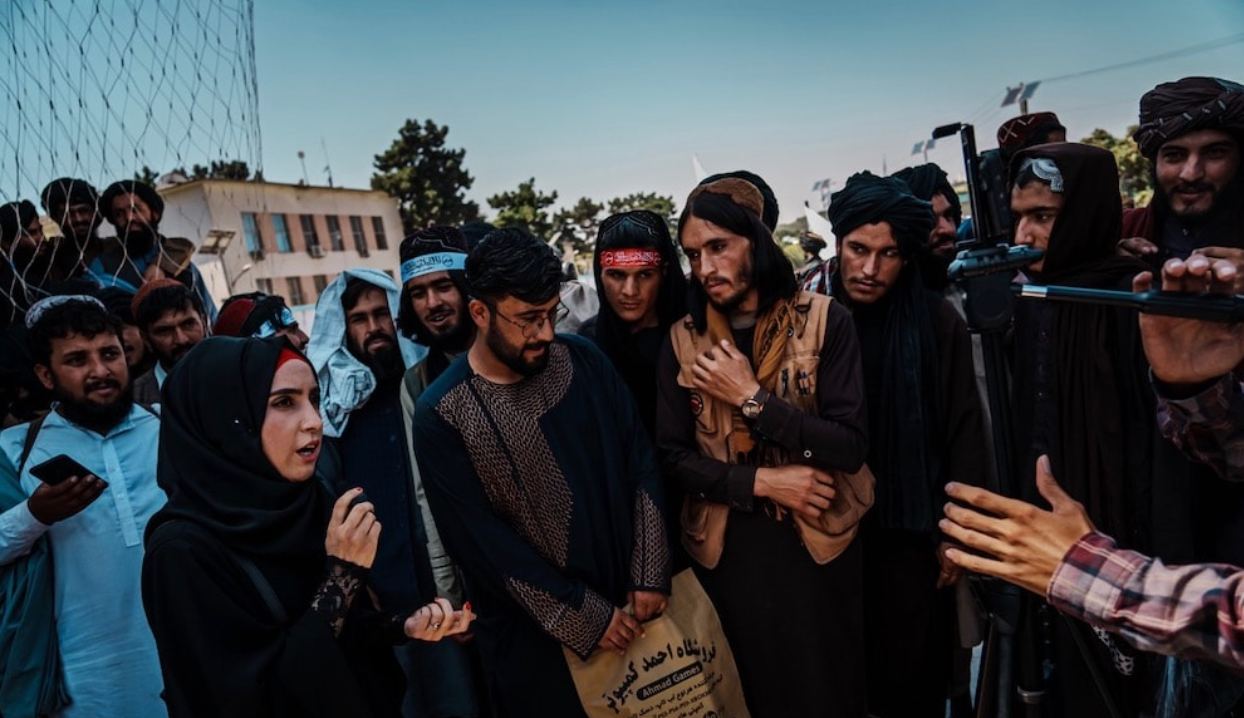
Despite the Taliban’ return to power, Afghanistan’s media space is not the multifaceted public sphere it had become in the last 20 years. Twenty or more national measures and numerous provincial orders limiting journalism are listed in the RSF five-year assessment released on August 10, 2026.
A separate CPJ five year review describes surveillance, detention, beatings, censorship, internet restrictions, and exile. Together, these findings reveal an information order designed to turn journalism from an independent check on power into a controlled channel for officially acceptable narratives.
This is reflected in the international indicators as well as individual cases. Afghanistan ranks 175th in the World Press Freedom Index, where it is particularly low in terms of legal protections and journalist safety. Previously, UNAMA alerts related to press freedom had been reported, including arrests, intimidation, and unclear coverage of news topics. That uncertainty is itself a mechanism of control.
When journalists cannot know whether a question, source, image, or phrase may trigger punishment, fear begins editing the story before any official does
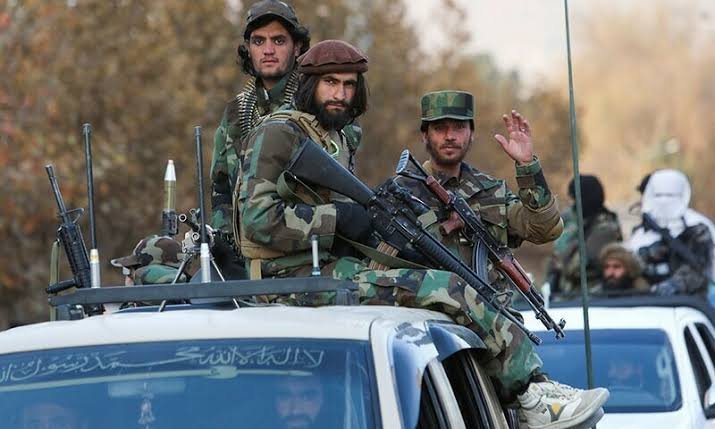
The architecture of control began almost immediately. On September 19, 2021, Taliban authorities issued eleven journalism rules requiring media to avoid content considered contrary to Islam, damaging to public morale, or insufficiently confirmed by officials. By September 2024, the ban on live political broadcasts required political programs to be recorded and limited to approved guests. The earlier move against foreign news bulletins, reported by Radio Free Europe Radio Liberty, showed that the objective extended beyond managing domestic journalists. The regime was also narrowing what Afghans could hear from outside the country.
The deeper problem is the effort to control not only content but the range of legitimate opinion. A journalist who may interview only approved analysts is not conducting an open inquiry. A broadcaster ordered to remove criticism before transmission is not hosting genuine political debate. Human Rights Watch interviews describe outlets pushed toward safe and often approved stories, while Freedom House’s 2026 assessment says criticism of the regime is prohibited. Newspapers may still appear and television studios may remain open, but the essential watchdog function of journalism is steadily being hollowed out.
For women journalists, repression has carried an additional purpose, removing female voices from public life. In 2022, female television presenters were ordered to cover their faces, a restriction visible in Reuters reporting on Afghan broadcasters. The pressure soon extended from appearance to participation. UNESCO’s review of Afghan media reported that an estimated 90 percent of women journalists had lost their jobs after the Taliban takeover and that nearly half of media outlets had ceased operating.
This changes whose experiences are recorded, whose questions are asked, and whose suffering enters the national conversation
The campaign became even more explicit as provincial restrictions targeted women’s voices. Kandahar guidelines in 2025 barred women from radio broadcasts, while other measures restricted female reporters from public events. The raid on Radio Begum showed how vulnerable media created for women had become when intelligence agents suspended the station and detained two workers. Although the outlet later resumed broadcasting under commitments to follow Taliban regulations, as reported by the Associated Press, the wider message was unmistakable. Permission to speak could be withdrawn, and restoration could depend on compliance rather than an enforceable right to press freedom.
The most consequential development is the conversion of censorship from administrative practice into a legal structure. The Taliban morality law expanded restrictions on expression and empowered officials to enforce sweeping standards of public conduct. UN human rights experts warned that the law deepened severe restrictions, while Reuters reporting on the morality code documented its broad reach. For journalism, this creates a dangerous fusion of religious enforcement, political obedience, and media regulation.
Professional standards offer little protection when authorities may interpret reporting as disobedience, insult, or ideological challenge
January 2026 marked an even more serious threshold. According to RSF, the new Code of Criminal Procedure provides imprisonment and flogging for insulting Taliban leaders and requires people to report contact with government opponents. These provisions enter an environment already marked by extensive detention.
The damage is particularly severe outside Kabul, where local reporters have fewer institutional protections and greater exposure to provincial authorities. Human Rights Watch documented provincial pressure soon after the takeover, describing censorship and violence that were especially acute beyond the capital. A later Human Rights Watch account recorded raids and detentions involving radio stations in Kandahar. People get to know local news and public services, abuses, economics and community disagreements. If the reporters move into a safe arena, then society loses the regular information they need to know how power is being applied around them. Taliban officials say media should operate within Islamic and national laws and have denied some of the international allegations as being exaggerated. Yet the cumulative record is difficult to reconcile with independent journalism. CPJ recommendations for Afghanistan call for an end to arbitrary detention, restoration of women’s ability to work, and freedom for reporters to gather news. In August 2026, UN experts marking five years of Taliban rule warned against normalizing deepening rights abuses. Afghanistan’s journalism crisis is therefore not a cultural dispute over media standards.

