


Internal Rift Among the Taliban
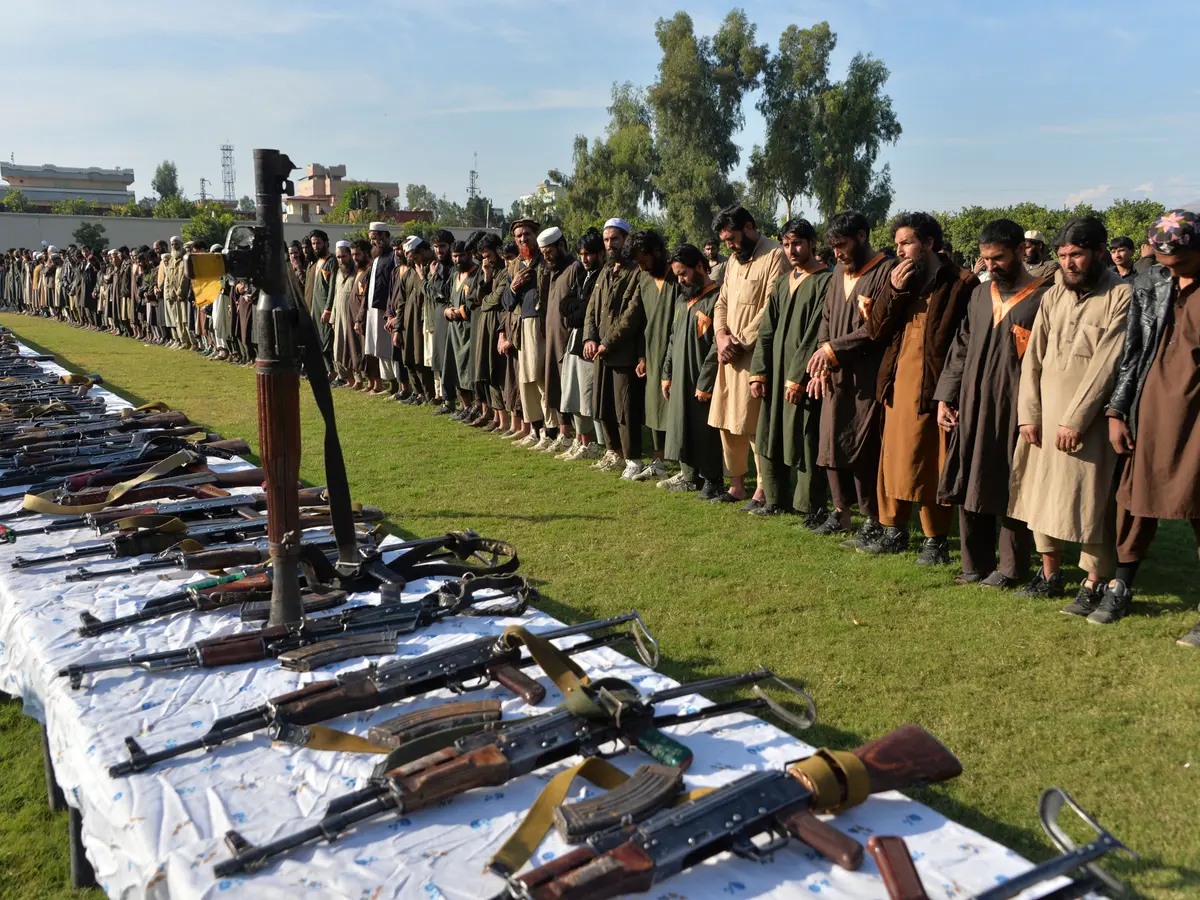
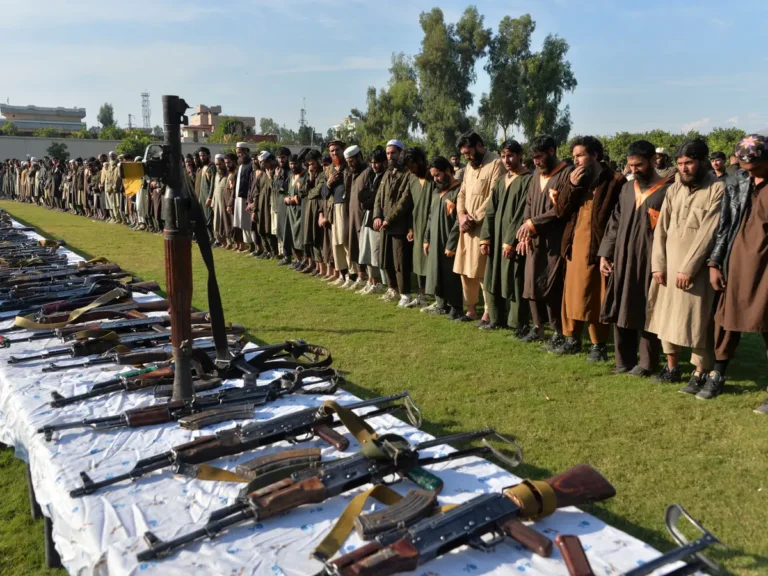
For years, the Taliban have tried to present themselves as a movement bound by obedience, ideological discipline and an unquestioned chain of command. That image has always concealed differences beneath the surface. Today, however, the divisions appear increasingly difficult to hide. Reports of growing tensions between the Kandahar leadership surrounding Mullah Hibatullah Akhundzada and the powerful Haqqani faction led by Interior Minister Sirajuddin Haqqani point to something more serious than an ordinary disagreement over policy. They reveal a struggle over who actually controls the Taliban state.
Recent intelligence assessments reportedly suggest that figures within the Kandahar establishment have considered moving against Sirajuddin Haqqani. The most serious accounts speak of plans to arrest and imprison him, with Hibatullah said to view the Haqqani camp as an increasingly independent centre of power. These reports remain unverified publicly and should therefore be treated cautiously. Yet they are significant because they fit into a much broader pattern of friction between Kandahar and senior Taliban figures based in Kabul.
One Emirate, Two Centres of Power
The central problem is structural. Afghanistan under the Taliban increasingly operates around two political centres. Kandahar is the ideological heart of the regime, where Hibatullah exercises supreme religious and political authority through a trusted circle of clerics and loyalists. Kabul, meanwhile, is where ministries, security institutions and much of the practical machinery of government operate.
Sirajuddin Haqqani sits at the centre of this second sphere. His position as Interior Minister gives him institutional weight, while the Haqqani network possesses its own history, commanders, relationships and security infrastructure. That makes Haqqani much more than another cabinet member who can simply be dismissed without consequences. Any attempt to detain him would therefore be interpreted not only as an action against an individual but as an attempt to break an entire faction within the movement.
This explains why reports of Haqqani’s response are particularly important. According to the intelligence circulating around the dispute, Haqqani became aware of the alleged plan before it could be implemented and placed his supporters on heightened readiness. He reportedly warned Hibatullah that an attempt to arrest him could trigger the collapse of the Taliban regime. Whether every detail of this account is accurate remains uncertain, but the warning itself captures the dangerous balance on which Taliban unity now rests.
The Fear of Internal Fragmentation
Other senior security figures have reportedly recognised the same danger. Abdul Haq Wasiq, who heads the Taliban’s intelligence apparatus, along with senior figures including Taj Mir Jawad and Ibrahim Sadr, are said to have cautioned against an attempt to arrest Haqqani. Their concern is understandable. Security regimes often appear strongest immediately before internal competition begins to weaken the command structure holding them together.
The Taliban’s greatest advantage since returning to Kabul in August 2021 has been organizational cohesion. Unlike the fragmented political environment that preceded them, they have maintained a relatively concentrated command system. But cohesion created during insurgency does not automatically survive the transition to government. Armed movements can postpone internal competition while fighting a common enemy. Once that enemy disappears, disagreements over authority, resources, appointments, ideology and foreign relations become much harder to suppress.
This is precisely where the Kandahar–Haqqani divide becomes dangerous. Hibatullah’s authority depends on the principle that the emir’s decision ultimately overrides competing political interests. Haqqani’s influence, by contrast, derives partly from organization, battlefield history, institutional presence and personal networks. If Kandahar allows a powerful faction to openly challenge the supreme leader, the image of absolute authority weakens. If it tries to destroy that faction, however, it risks provoking the very rebellion it wants to prevent.
Pakistan and the Politics of Suspicion
Regional relationships add another layer of complexity. Within Taliban politics, perceptions of who maintains relationships with which outside power can quickly become instruments in internal competition. The Haqqani network has historically been associated with longstanding contacts in Pakistan, although the relationship between Islamabad and the Taliban government has become far more contentious, particularly over militant violence and cross-border security.
If Kandahar increasingly views Haqqani through the prism of suspected external relationships, political rivalry could easily be recast as a question of loyalty. That would be especially dangerous. Once disagreements over governance become accusations of disloyalty, compromise becomes harder because each side begins viewing the other not simply as a competitor but as a potential threat to survival.
Pakistan should also avoid assuming that internal Taliban divisions automatically work in its favour. A fractured Taliban system could make Afghanistan considerably more unstable. Competing security structures, disgruntled commanders and weakening central control could provide greater operating space for militant groups. For Pakistan, Central Asian states and other neighbouring countries, that would create new security uncertainties rather than strategic opportunities.
The Taliban’s Most Dangerous Enemy May Be Within
Hibatullah therefore faces a dilemma of his own making. Years of centralizing authority in Kandahar may have strengthened his personal control, but they have also increased resentment among influential figures who believe that the institutions they formally lead are being steadily deprived of meaningful power. Sirajuddin Haqqani represents the most visible expression of that frustration, but he may not be the only one.
An effort to physically remove Haqqani would consequently represent an extraordinary gamble. Even if Kandahar succeeded, the political cost could be enormous. It could fracture loyalties inside the Interior Ministry, disturb security structures, deepen tribal and regional rivalries and encourage other Taliban leaders to question whether they could eventually face the same fate.
The Taliban defeated a succession of adversaries partly because they remained sufficiently united while their opponents were divided. Their next challenge is fundamentally different. It comes from inside their own governing structure. If the contest between Kandahar and the Haqqani faction continues to deepen, Afghanistan may discover that the Taliban’s greatest vulnerability is no longer an armed opposition movement outside Kabul. It is the unresolved struggle for power within the Taliban themselves.

