

The Cost of Confrontation in AJK
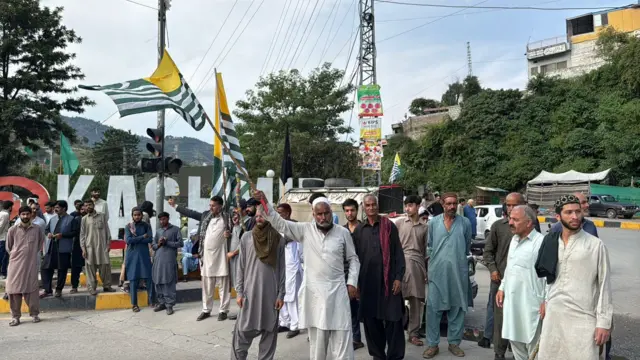
Political movements are ultimately judged not only by the demands they raise but also by the consequences their methods impose on ordinary people. In Azad Jammu and Kashmir, months of strikes, road blockades, demonstrations and episodes of violence associated with the proscribed Joint Awami Action Committee have brought this question into sharp focus. Whatever grievances may have originally motivated public mobilisation, prolonged confrontation has increasingly carried a social and economic cost that falls most heavily on people with the least ability to absorb it.
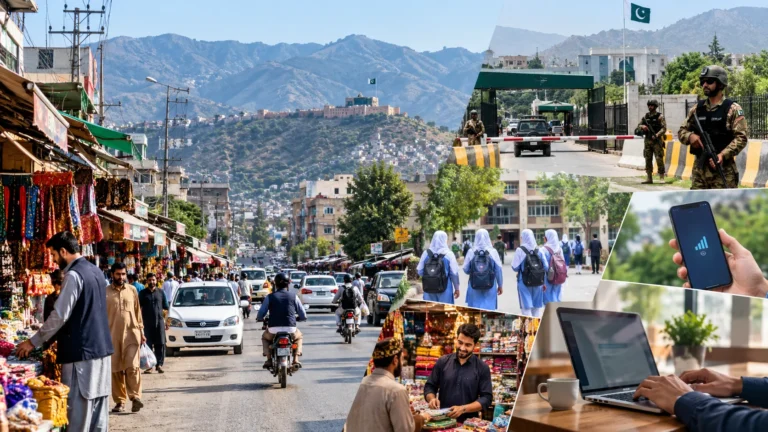
For a shopkeeper, daily-wage worker, student or patient, political confrontation is not an abstract debate. A closed road can mean lost income. A shutdown can mean a missed examination, a cancelled medical appointment or an interrupted supply of medicines and essential goods. Reports during the protests documented concerns among residents that strikes were hurting daily-wage earners and creating difficulties for patients when hospitals, pharmacies and transport services were affected.
The disruption of transport corridors has been particularly significant because AJK’s mountainous geography makes communities dependent on a limited network of highways and connecting roads. In June, authorities reported reopening major highways after removing blockades associated with the committee’s protests. Subsequent official statements said restoring these roads was essential to maintaining the movement of people and supplies, including essential commodities.
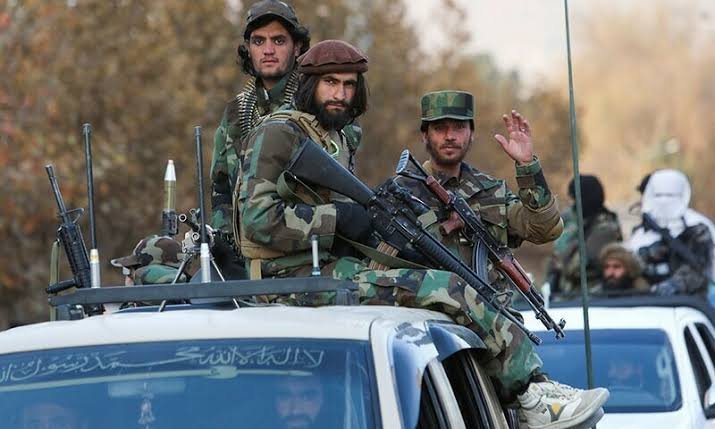
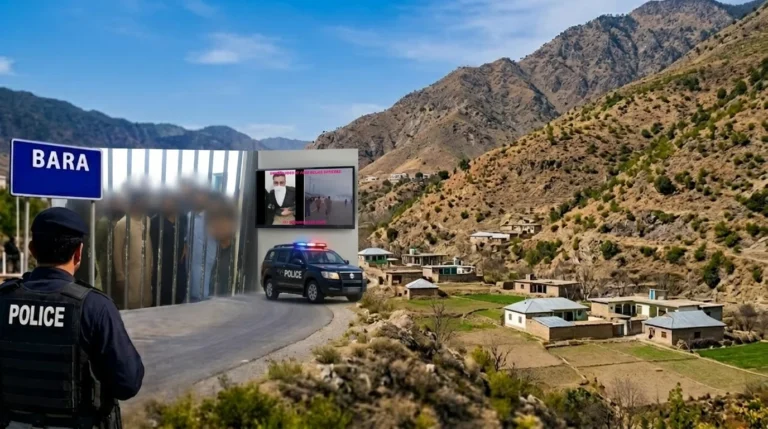
The human cost is even harder to dismiss. Confrontations involving protesters and law-enforcement personnel have resulted in casualties and injuries, while official reports have also documented attacks on security personnel around Rawalakot. Such incidents should concern everyone irrespective of political affiliation. The death or injury of a civilian, police officer or young protester cannot be treated as an acceptable instrument of political bargaining. Once violence enters a political movement, the original public-interest agenda can quickly become overshadowed by questions of security, criminal responsibility and law and order.
This matters because AJK is simultaneously facing a substantial development challenge. The Legislative Assembly approved a Rs286 billion budget for fiscal year 2026-27, of which Rs250 billion is allocated for recurrent expenditure and Rs36 billion for development. Within the development programme, Rs14 billion has been allocated to communication and works, Rs4.1 billion to health, Rs3.3 billion to education and another Rs3.3 billion to energy and water resources. The government plans to complete 170 development projects during the financial year, in addition to projects carried over from the previous period.
These figures matter because development is not simply a line in a budget document. Roads, hospitals, schools, drinking-water schemes, power infrastructure and local development projects shape everyday life. But public investment requires administrative continuity, functioning markets, secure movement and an environment in which government departments and contractors can operate. Persistent unrest inevitably competes with development for institutional attention and resources.
The broader government agenda has therefore continued to emphasise development and administrative reform. In early October, a federal-level meeting on AJK reviewed road rehabilitation and socioeconomic initiatives and stressed the timely completion of projects and efficient use of financial resources. The AJK government has also announced measures intended to revive projects that had slowed or stalled. The challenge is straightforward. Political instability makes implementation more difficult even when money has already been allocated.
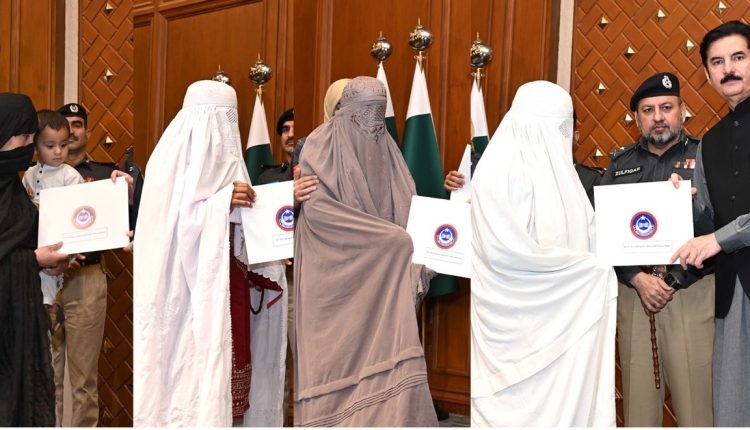
There is also evidence that the committee itself has experienced internal divisions. Several figures associated with the Joint Awami Action Committee publicly announced their dissociation during June. They included Advocate Raja Amjad Ali Khan, Anjum Zaman Awan, Iftikhar Mahmood and other former members who said that a movement originally associated with public rights had moved away from what they considered its initial peaceful course. Three former members, Gulnar Ahmed, Khawaja Shehzad Lone and Tahir Pehlwan, similarly announced that they would pursue public rights through peaceful and constitutional means.
Such departures do not by themselves establish what every Kashmiri thinks, and public opinion should not be reduced to slogans from either side. However, repeated reports that markets remained open and routine activity continued despite some protest calls suggest that there have been limits to public willingness to endure repeated shutdowns. That distinction is important. People may support legitimate demands for better governance while simultaneously rejecting methods that disrupt their livelihoods.
The lesson for AJK should therefore extend beyond any single organisation. Governments must remain accountable, reform must continue and genuine grievances should have credible institutional channels through which they can be heard. At the same time, protest movements carry a responsibility to protect civilians, avoid coercion and keep political mobilisation within peaceful and lawful boundaries.
Azad Kashmir’s future will ultimately be determined less by who can close a road or sustain the longest confrontation than by who can improve schools, hospitals, employment opportunities, infrastructure and public administration. With billions of rupees committed to development and substantial social needs still unmet, political energy should be directed toward ensuring that promised reforms actually reach citizens.
The ordinary Kashmiri should not have to choose between demanding better governance and maintaining a normal life. Both are possible. But achieving them requires dialogue, institutional reform, accountability and respect for the rule of law. When confrontation becomes an end in itself, development slows and citizens pay the bill. Peaceful reform offers a more durable path because the real measure of politics is not the intensity of protest, but whether everyday life becomes better for the people.

