

Bilawal Must Answer for Sindh Before Lecturing Pakistan
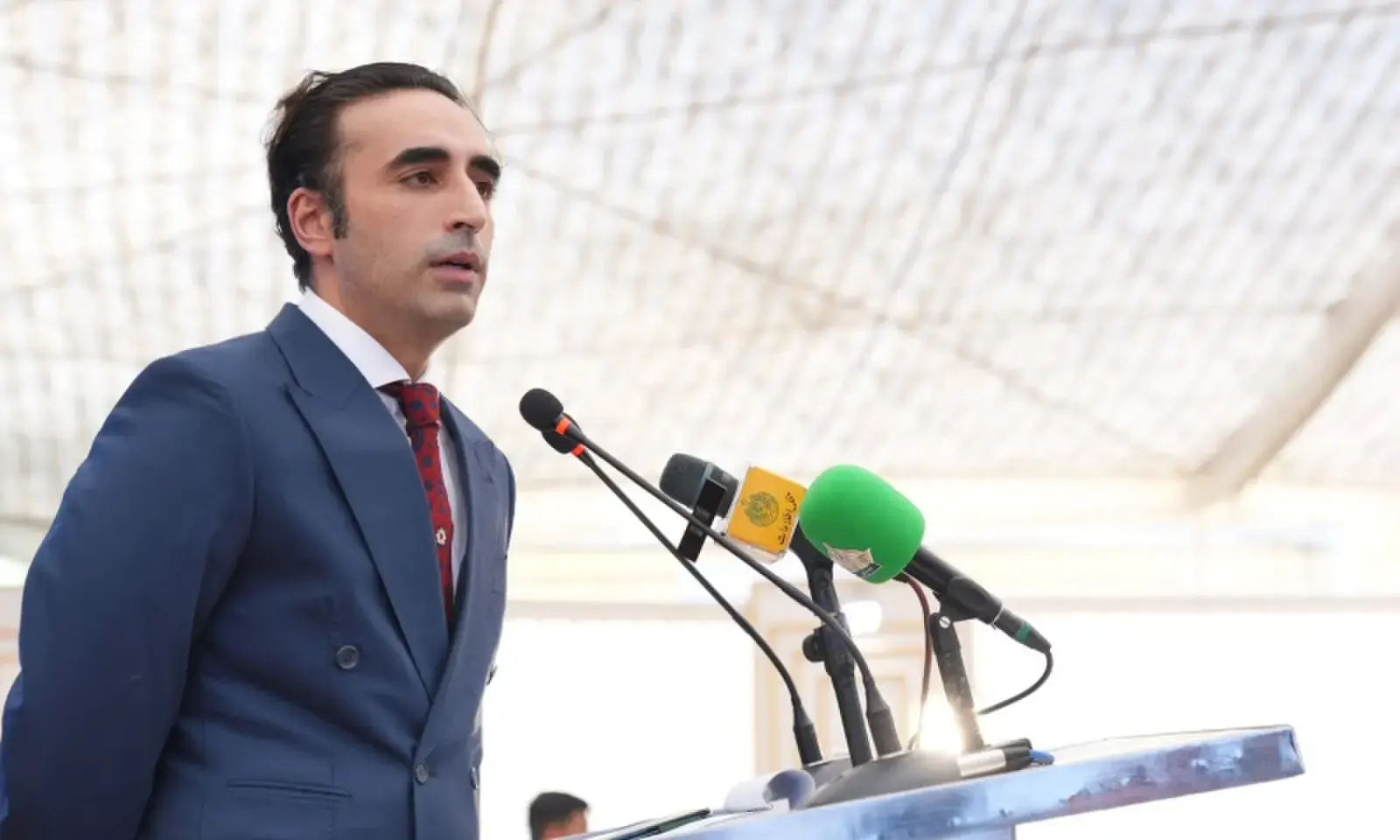
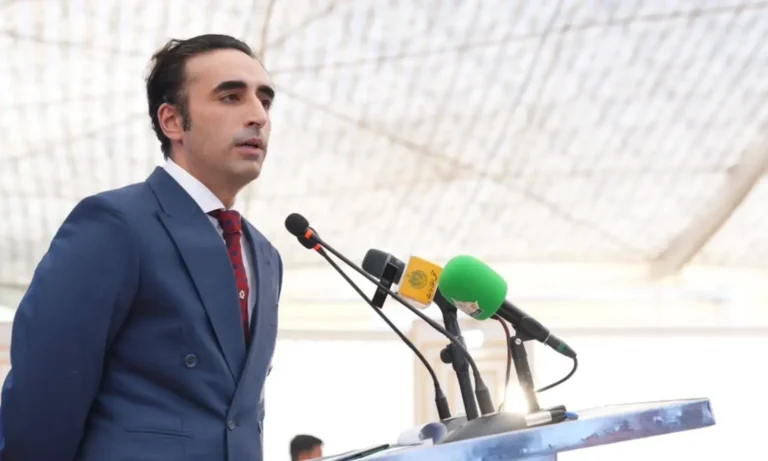
In mid November 2026, Bilawal Bhutto Zardari’s press conference was a familiar scene in Pakistani politics. A long speech, a loud voice, blame on others, and self justification. But this time, something unusual happened. Bilawal himself admitted: “I am also responsible, I am also part of this collapse.” That sentence is not simple. That sentence holds the entire speech accountable.
A person who admits guilt and then stands on a stage to put the system, institutions, and government in the dock cannot play judge. First, he must answer for himself.
Sindh: 17 Years, But What Was Achieved?
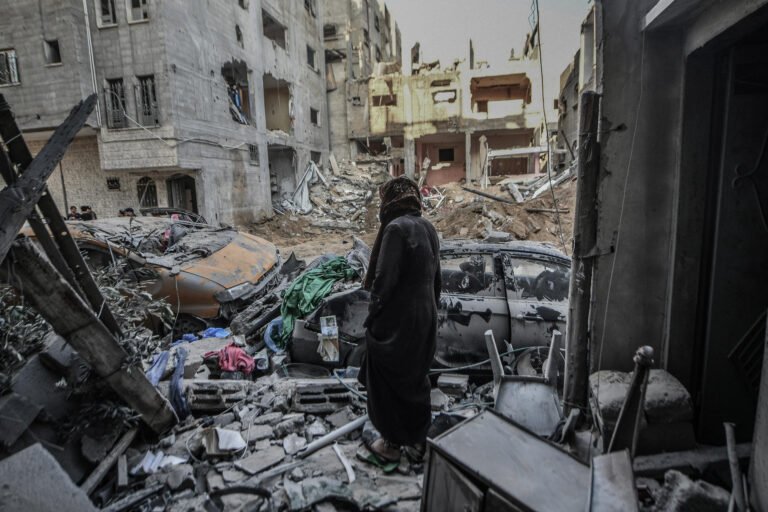
This is the biggest question. Sindh’s literacy rate still hovers between just 58 and 61 percent, in rural areas it drops to only 39 percent, and among rural women literacy stands at a mere 30 percent. Around 70 lakh children are out of school, and even in 2026, between seven and eleven thousand ghost schools continue to exist.
These are not the numbers of an enemy, they come from our own newspapers. Members of the Karachi Organising Committee stated that if the leaders of a party that has held power in Sindh for nearly two decades are genuinely serious about solving public problems, they must first answer the people of Karachi, Hyderabad, and interior Sindh: why do the problems of water, health, education, sanitation, transport, sewage, and employment persist to this day?
If there is no flour in the house and the owner is busy holding the neighbourhood’s council, that is not responsibility, that is deflection.
New Administrative Units: Fear or Principle?
Bilawal’s clearest position was on this very issue. The PPP chairman said the debate over new provinces or administrative units must end because the Sindh Assembly has already delivered its verdict. When the debate over creating new administrative units intensified, Bilawal issued a stern warning against any forced division of the province.
But the proper question here is this: the demand for new administrative units exists so that powers and resources can be transferred from provincial capitals down to the grassroots level. This is not a demand to break the country, it is a demand to bring government closer to the people.
The world’s experience says the same. India started with 14 states in 1956 and today has 28 states and 8 union territories. Germany runs Europe’s largest economy with 16 provinces. Indonesia created 34 provinces. No country broke apart, the people got better governance.
The Defence of Maulana: Principle or Deal?
One portion of Bilawal’s speech was devoted to defending Maulana Fazlur Rehman. This was no sudden affection. After President Zardari’s meeting with Naqvi in London, the PPP significantly stepped up its opposition to the federal government’s statements on new provinces and administrative units. Defending Maulana and this opposition are no coincidence. Blocking new administrative units requires a political alliance, and the foundation of that alliance is shared interests, not shared principles.
Constitutional Contradictions
Pride over the 26th Amendment, objections to the 27th. What is the difference? The difference is simply that Bilawal was part of one and not the other. This is not a constitutional principle, it is personal ego. Bilawal said that decisions on new provinces and administrative units should not be made behind closed doors but through public consensus. Absolutely correct, but then why should the Sindh Assembly’s resolution be treated as a final, binding decision? Are the citizens of Karachi, the residents of Hyderabad, the deprived people of Thar satisfied with that assembly’s verdict?
Conclusion
Bilawal’s speech had emotion, it had words, but it had no answers. No answer to why Sindh did not change in 17 years. No answer to what the solution is if new provinces are not. No answer to why, after a self-admission of guilt, accountability is being avoided.
The people remember. Speeches are forgotten, but the hunger of Thar’s children is not forgotten, the water flooding Karachi’s streets is not forgotten, and the child enrolled in a ghost school who is in reality learning nothing is not forgotten.
Speeches do not fill stomachs, and slogans do not bring water through the tap. First, account for Sindh, then lecture Pakistan.

