








Humanitarian Crisis in Sudan 2025, Causes, Impacts, and Global Response
Humanitarian Crisis in Sudan: Causal Factors, Effects and the International Community Response
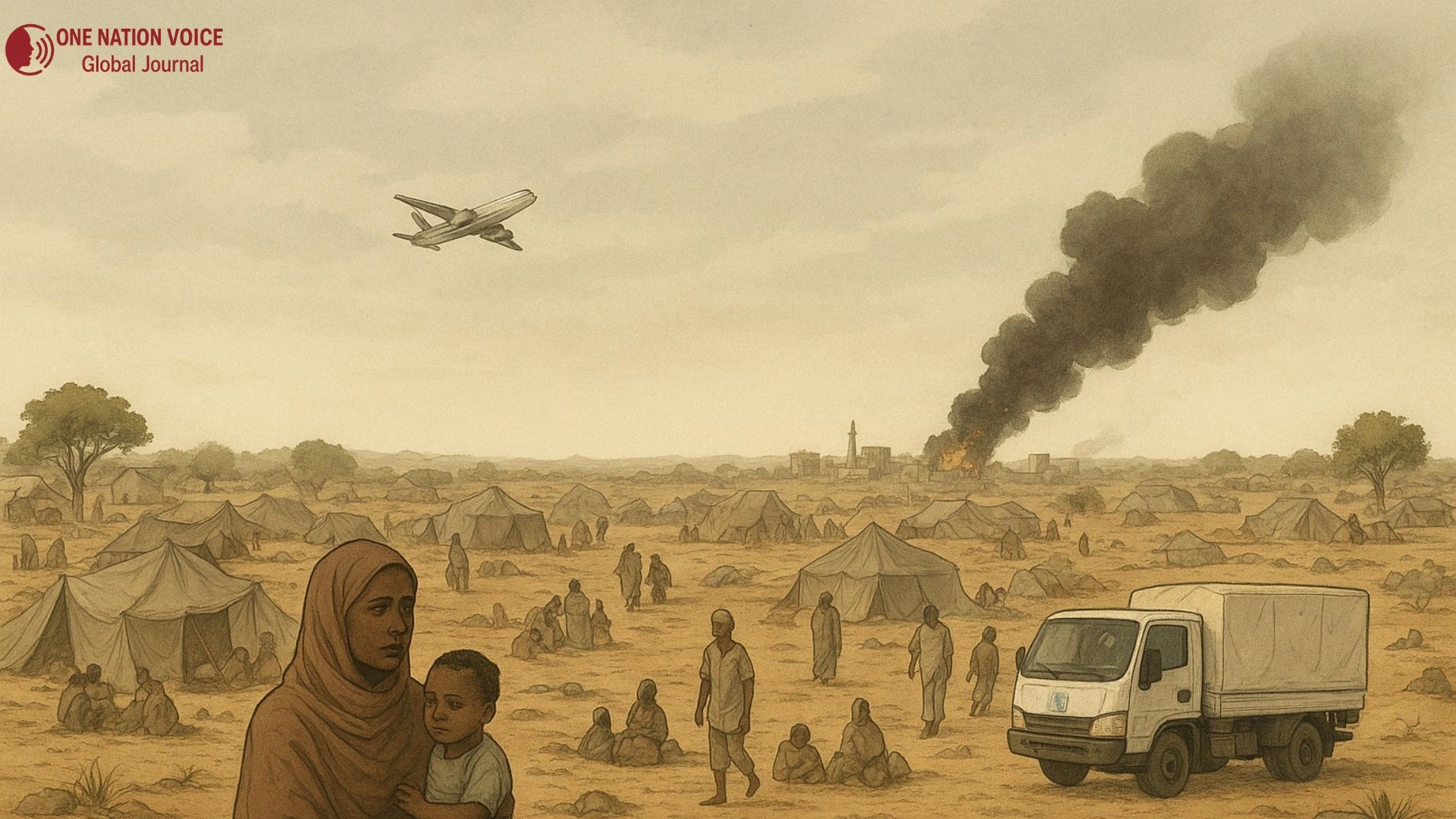
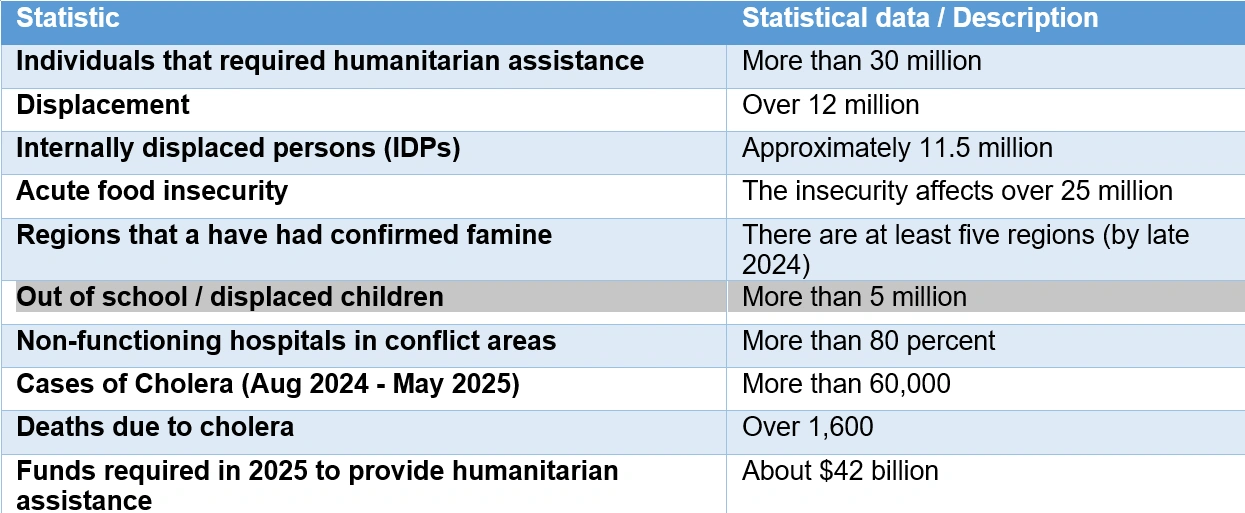
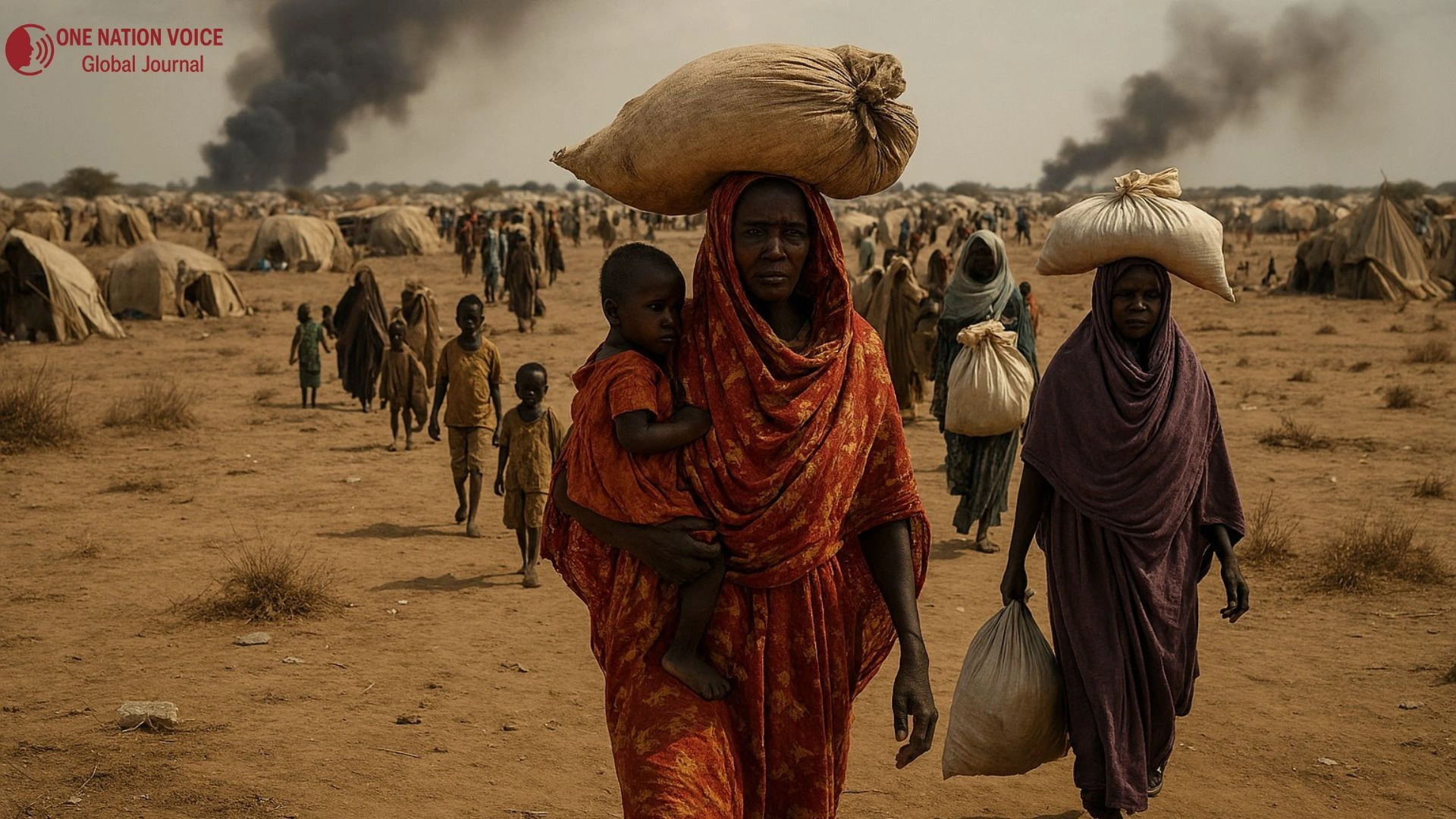
Beginning in April 2023, Sudan has sunk to a humanitarian disaster that is among the largest and swiftest worsening in the world. A civil war between the Sudanese Armed Forces (SAF) and the Rapid Support Forces (RSF) has swept across cities, disrupted their supply chain networks, and dispersed voracious waves of mass displacement like history had never seen. UN humanitarian planners expected as of early 2025 that over 12 million individuals have been displaced (most within Sudan), and tens of millions of others are struggling with critical food insecurity.
A conflict superimposed on structural weaknesses
The immediate cause of the Sudanese crisis is the fight over power between the SAF and the RSF as armed institutions that instead of being harmonized in a fragile transitional context, have redirected their weapons against each other. The urban warfare that ensued in Khartoum spread to the periphery, most notably to Darfur, where the RSF’s siege on El Fasher has effectively shuttered the trade and humanitarian access of hundreds of thousands, thereby increasing protection risks. These apparent causes, however, lie on top of more fundamental structural weaknesses including decades of center-periphery marginalization, constant conflict in Darfur and the Two Areas, a series of economic shocks and climate stressors that chiseled away household resilience. Collected, these influences produced the environment of the acute crisis that exists today when the break in the military ranks broke into open war.
Starvation, pestilence and displacement in huge numbers
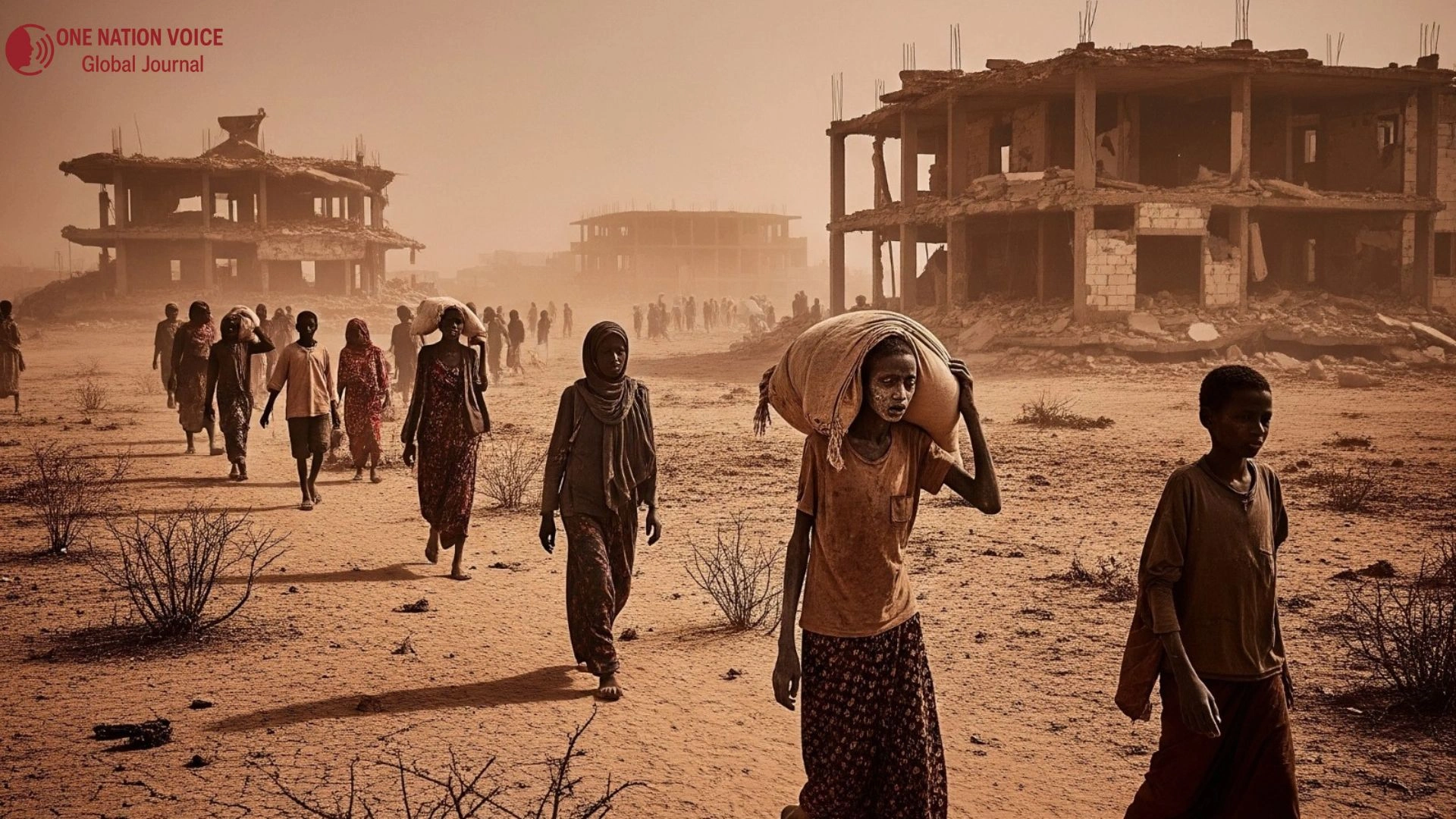
There is widespread food insecurity to disastrous levels. In July 2025 an Alert was issued by the Integrated Food Security Phase Classification (IPC) that Sudan faces an unprecedented humanitarian disaster. As per alert, it can only be mitigated by taking extraordinary measures, however, independent famine review processes have been put on standby. It’s because numerous places are now at or near the technical definitions of famine (IPC Phase 5). The World Food Programme (WFP) says it is feeding millions of people every month, however, it predicts starvation among people trapped by the siege of El Fasher and other frontlines, unless lines open.
At the same time, a deadly outbreak of cholera, the worst in years in Sudan, is erupting as water, sanitation and health infrastructure collapses.
According to MSF and media partners, there were almost 100,000 suspected cases with close to 2,400 deaths since mid 2024 and health centers in North Darfur were overwhelmed with patients being treated on floors.
Large rains and displacement are spreading faster.
Protection situation is desperate. The violence and atrocities reported, particularly in Darfur, has killed civilians, destroyed camps and terrorized people. Attacks in and around the Abu Shouk IDP camp and wider El Fasher surroundings in recent months are indicative of an increasing danger to hundreds of thousands who are unable to escape. The displacement is also spreading across other borders into Chad, South Sudan and Egypt, where local communities are also made vulnerable and do not have the capacity to support any longer.
Access, diplomacy, and a race against time
The Sudan Humanitarian Needs and Response Plan (HNRP) 2025 has mobilized one of the most significant operations in the world spearheaded by humanitarian agencies. However, there are access bottlenecks, insecurity and bureaucratic barriers among others. In addition to funding shortages, there is a serious limit impact. Crossline and cross-border deliveries continue to be necessary to access besieged civilians. Donors and UN representatives have consistently urged continued corridors (especially through Adre on the Chad–Sudan border), simplified authorizations and foreseeable lulls in fighting.
At the diplomatic level, the UN Security Council has denounced the use of violence against civilians and humanitarian workers and the siege of El Fasher and called both belligerents back to the bargaining table and towards a civilian-led transition.
It has also demanded free movement of humanitarian access and violations accountability. Comments in national parliaments, e.g. a resolution in the US Senate, have requested that the arms embargo be more vigorously enforced, and extended.
Even though it has been scaled up, the response is still not adequately funded. The WFP has been alerting looming pipeline breaks in the neighboring states to carry refugee aid unless it is given new supply, and it threatens to cut just at a time of an aggravated need. In a wider context, operations in agencies are being challenged by mounting operational expenditure, invasive infrastructure and security that on many occasions raids the warehousing centers and convoys with destruction or theft.
Disclaimer:
The views and opinions expressed in this article are exclusively those of the author and do not reflect the official stance, policies, or perspectives of the Platform.

