

Congo, Sudan, and the Price of Silence
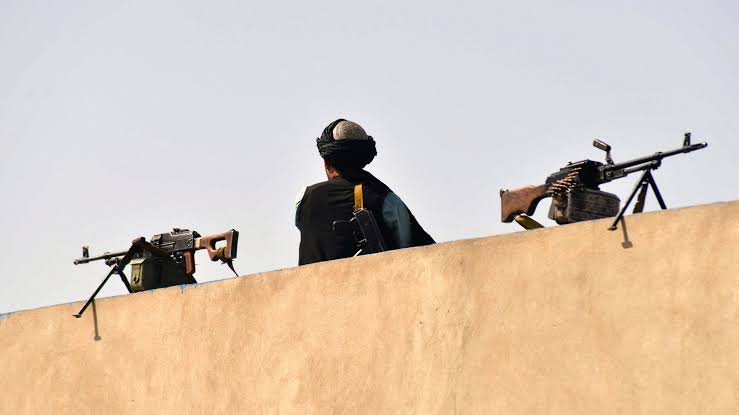
Since the worlds of instant digital connections and global news are reshaping everything. Even though the warfare in both the Democratic Republic of Congo and Sudan has lasted for decades and leads to many crises, these conflicts do not receive the attention they deserve on the international stage. Congo, Sudan, and the Price of Silence Even the biggest stories only last in headlines for a short time, hashtags quickly lose steam, and most people pay more attention to “flashier” world events. This is happening even though the violence is just as terrible, since the victims reside in unfavoured regions and have little financial impact. Being Black, poor, and very far from the centres of power means that a dead body is not something that society pays attention to.
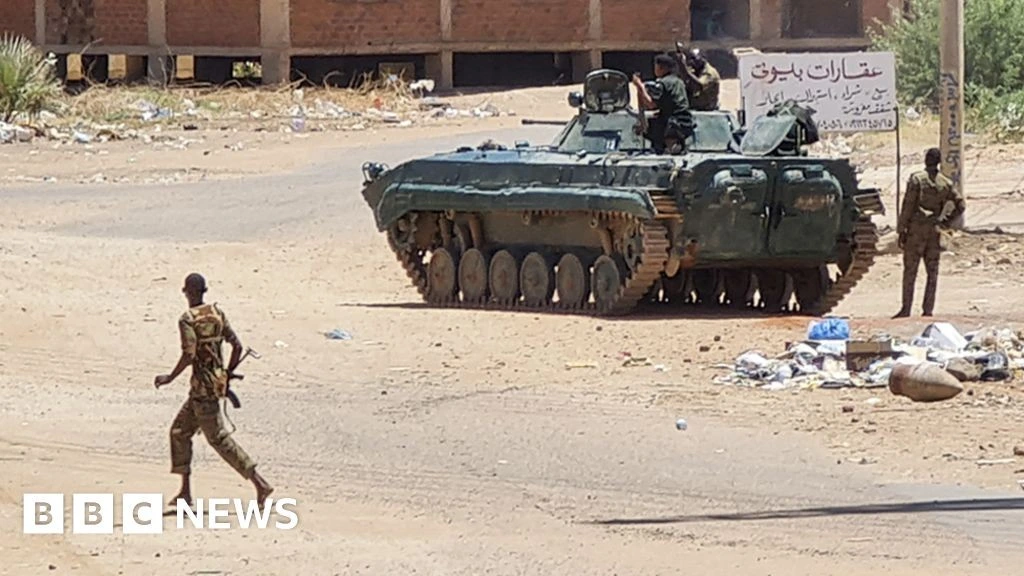
There is no doubt that both the DRC and Sudan have experienced wars. Ever since the 1990s, a country famous for its minerals, the DRC, has faced constant episodes of violence. Dubbed Africa’s World War, these conflicts cost approximately six million lives, so they are considered one of the deadliest since World War II. Still, this huge loss of lives does not often affect the world’s awareness. After Omar al-Bashir was ousted in 2019, Sudan has suffered from a ruthless conflict within the country. At the beginning, there were signs of democracy, but soon, power struggles between armed groups and the military turned things violent. In recent years, especially since 2023, the war in Sudan has driven millions to flee, destroyed many cities, and caused war crimes as well as famine, however, attention from the international community is limited.
What is the reason that these wars are largely invisible? One possible reason could be that the world one sees through media outlets isn’t complete. Since making profits is the main aim for most media, they target sensational conflicts directly affecting western countries or are easy to report in a dramatic way. The reason Ukraine’s war with Russia is in the news all the time is due to its geopolitical importance, and this demonstrates that we value Congo’s or Sudan’s struggles less. Black Africans do not receive the same level of concern or attention, as colonial past and racism have shaped the world to be this way.
To add further complications, the way these African conflicts are described makes the matter worse. The wars in Congo and Sudan are usually referred to as complex, of tribal origin, or difficult to solve, which puts the viewer at a distance from moral concerns. This way of looking at things portrays these struggles as part of typical African politics, not as the results of using resources, external help, or past injustices. The phrase “ethnic conflict” tends to hide more facts than it reveals. It changes difficult situations into simple clichés and persuades countries to do little about them.
These same organizations, on the global level, have not worked well. The United Nations, African Union, plus numerous other groups, have released statements, sent peacekeepers, and appealed to help people in need. Most often, these parts of the response network are not fully financed, move slowly, and are hindered due to political disagreements. For decades, the UN has left Congo with mixed results, as soldiers have been regularly questioned for their lack of success and sometimes for joining in crimes against the people. Because different Gulf and Russian powers support different groups, Sudan has turned into a nation where many sides are followed by different foreign players.
Most of the time, people ignore the economic side of wars when they talk about them, but it plays a major role in their continuation. Thanks to its minerals, cobalt, coltan, gold, and diamonds, the DRC contributes to the world economy and provides funds to local militias, foreign troops, and dishonest leaders. Sudan’s oil and gold have had the same types of effects. Resources are meant to help the region, but they have turned into a curse when the governments are weak, foreign parties interfere, and the economy faces tough challenges. Large companies with operations in many nations abuse the confusion to make money through underhanded ways, while giving the public a good image by talking about human rights and sustainability. Many times, western shoppers are part of the conflict, either by buying new gadgets or gold linked to these issues.
It is especially unfortunate that the world’s people have become less sensitive to the problem. Due to constant updates on social media and news, there is so much crisis happening around the world that it becomes difficult for many to keep caring. It is hard to hold people’s attention since popular subjects keep changing rapidly. Apart from becoming a viral video, an attractive demonstration, or a favourite celebrity’s cause, it gets lost in the mass of other on the internet. Ignored by Instagram or TikTok, dead bodies end up in Khartoum or Goma. Those who are disrupted by famine and displacement do not have any filters to make life easier.
Even though they are rarely seen, it doesn’t mean these issues are certain to happen. People refrain from speaking about Congo and Sudan because they are politically motivated by not caring about the issues, racism, and protecting their economic interests. While raising awareness is not enough, it should still be considered very important. Media groups should be answerable for the subjects they highlight in their news. Decision-makers are required to be equally concerned about diplomacy, aiding, and accountability in Africa as well as in other places. Anyone concerned can add their voice, help journalists and agencies from Africa, and back many important advocacy movements.
There should also be a real look at the factors that always keep these regions in trouble. You can support this by fighting the corporations that gain wealth from unpredictability, updating international organizations to hear from majorities of the Global South, and removing colonial viewpoints that limit African lives to numbers. Peacebuilding, education, and infrastructure all require serious investment, so that African nations are treated as equals and not only as people who need to be saved.
The most important thing is that we recognize that everyone deserves the same value, no matter where they live or die. Children left hungry in Darfur, women escaping danger in North Kivu, and elders grieving the destruction of their area in El Fasher are not just small elements in bigger narratives. They make up the plot. People should care about their pain without the help of a trending hashtag, and their humanity shouldn’t come from proximity to those in charge.
“Dead bodies don’t trend” should lead us to do something. We must show more understanding, question our news feeds, and deal with issues that make some lives go unnoticed. So, if we do not act, the people of Congo and Sudan will remain suppressed by ongoing conflict and will not be seen by the world. Despite all the advances in technology, the world will continue to take part in a type of violence: the violence of forgetting.

