






Truth Behind the Akakhel Incident
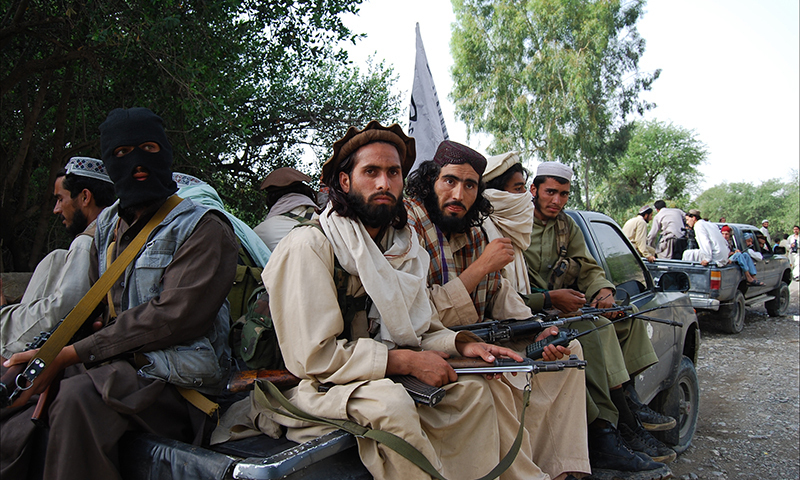
The tragic explosion in Akakhel, Bara, must be understood with clarity, responsibility, and national seriousness. According to the account presented by security sources, the incident was caused by a bomb dropped by Khawarij terrorists through a quadcopter, not by Pakistan’s security forces. Yet, before facts could settle, certain anarchist groups rushed to exploit public grief and accuse the state. This reaction was neither accidental nor innocent. It followed a familiar pattern: whenever terrorists attack civilians, anti-state voices immediately divert blame toward the military, creating confusion, anger, and distrust. Pakistan, a country that has lost more than 94,000 lives in the war against terrorism, cannot logically be accused of deliberately targeting the very citizens it has fought for decades to protect.
The Akakhel incident is not isolated. It fits into a broader pattern of terrorist aggression across tribal districts and surrounding areas. Recent attacks, including the destruction of a girls’ high school in Mamundkhel, Bannu, a drone strike on a mosque in Hassan Khel, Peshawar, and a quadcopter attack on a home in Dattakhel, North Waziristan, show the same brutal mindset. These terrorists have no respect for human life, Islamic values, education, mosques, women, children, or community peace.
They want to make Pakistan appear unstable, especially after diplomatic developments such as the Islamabad Talks, and to project a false image of tribal areas as lawless spaces beyond state authority
What makes this threat more dangerous is the disinformation campaign that follows every act of terrorism. Groups such as PTM and their affiliates often amplify claims against Pakistan’s security forces without presenting credible evidence. By doing so, they shift attention away from the actual perpetrators and give political cover to militants. Their statements rarely focus with equal intensity on terrorist attacks against schools, mosques, polio teams, homes, and public infrastructure. This selective outrage exposes the political nature of their activism. When terrorists kill civilians, they blame the state. When terrorists destroy schools, they remain quiet. When terrorists attack polio workers, such as the recent firing incident in Hangu attributed to FAK elements, their outrage becomes muted.
The foreign dimension of this narrative cannot be ignored. The messaging pushed by these groups often aligns with hostile Afghan-Indian rhetoric aimed at weakening Pakistan internally. Their purpose is to create resentment against the military, especially in areas where security forces have sacrificed heavily to restore peace. The use of advanced weapons and quadcopters by terrorist factions emerging from Afghan soil also raises serious concerns, particularly after reports of leftover foreign weapons entering militant hands.
It is therefore irresponsible to ignore terrorist technological advancement while blaming Pakistan without evidence
Pakistan’s security forces have paid a heavy price to clear the tribal districts of militants. Thousands of personnel have laid down their lives so that markets, schools, roads, mosques, and homes could return to normal life. These sacrifices cannot be erased by propaganda. The military’s presence in these regions is not meant to suppress people; it is meant to protect them from armed groups that reject the Constitution, target civilians, and serve violent foreign-backed agendas. Blaming the state for a Khawarij drone attack only benefits the terrorists who want public trust in national institutions to collapse.
The question, then, is simple that why are certain groups so quick to protect the image of terrorists while dragging Pakistan’s reputation through the mud? Why do they use tragedy as a political weapon instead of demanding accountability from those who actually plant bombs, fly drones, destroy schools, and attack mosques? Their so-called sympathy is selective and calculated. They do not represent the pain of Akakhel’s grieving families.
They represent a proxy narrative that thrives on chaos, mistrust, and bloodshed
True justice for Akakhel requires unity, not manipulation. Pakistanis must reject both terrorism and the deceptive narratives that protect it. The Khawarij threat is real, evolving, and increasingly technological. The nation must stand with the victims, support evidence-based accountability, and strengthen the state’s effort to eliminate the terrorists responsible. At this moment, Pakistan does not need political opportunism. It needs national resolve, public awareness, and unity against those who attack civilians and then hide behind propaganda.

