
India’s Netflix Ban Exposes Double Standards on Pakistani Art
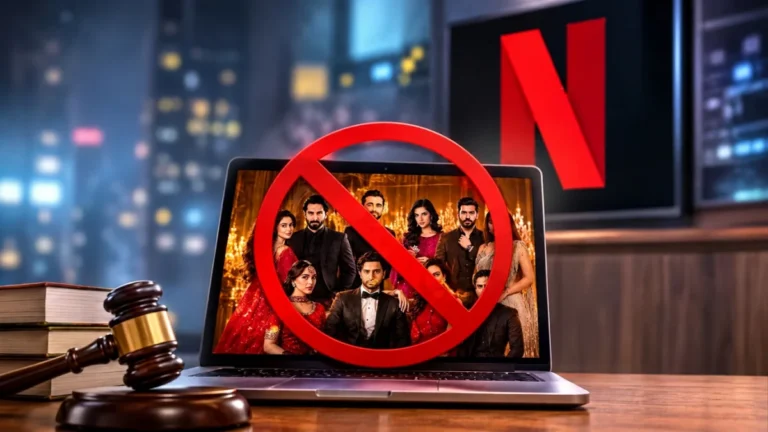
The situation unfolding around Pakistan’s first Netflix original series “Jo Bachay Hain Sang Samait Lo” is not merely a film industry dispute. It holds a mirror to a much larger question: should culture too be sacrificed on the altar of politics?
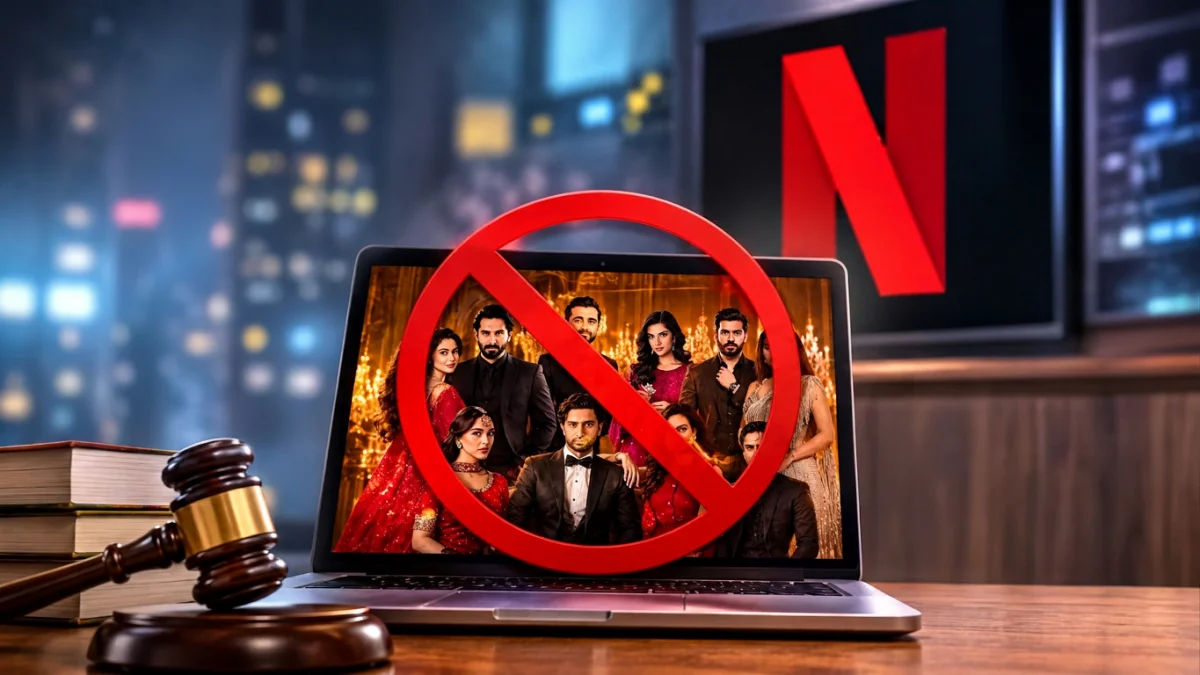
Featuring big names like Fawad Khan, Mahira Khan, and Hania Aamir, this series marks a milestone as Pakistan’s first Netflix original production, with its global release scheduled for December 4, 2026. It is the result of over three years of hard work, dedication, and creativity. But India’s Ministry of Information and Broadcasting has directed Netflix to ensure that no content originating from Pakistan is made available to Indian subscribers, reiterating its advisory from May 2025.
The All Indian Cine Workers Association (AICWA) wrote to Prime Minister Narendra Modi demanding that the series not be shown in India at all, and also called for legislation to impose a permanent ban on Pakistani content. AICWA went so far as to write in its letter that
“India will never walk with Pakistan. No Pakistani face, voice, or story has a place on Indian screens.”
Reading that line, one must pause for a moment. A romantic drama, one that tells a story of love, separation, and human emotion, being declared a threat to national security: how far is that justified? Federal Minister Ahsan Iqbal raised this very question: cricket matches have been turned into political weapons, water into a tool of war, and now a television drama has been made into a national security issue. First sports, then water, and now art. Where will this chain end?
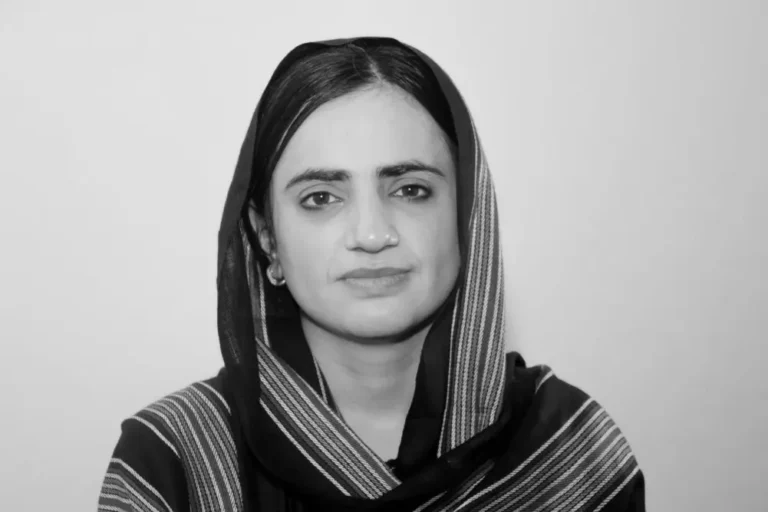
But the most important point in this entire debate is the one raised by Senator Sherry Rehman, one that immediately strikes any fair minded person: double standards. Pakistani content is not officially available on Indian streaming platforms, though several Pakistani productions can still be accessed through YouTube, proof that Indian audiences themselves want to watch Pakistani content. On the other hand, Indian films and dramas are openly available on Netflix in Pakistan. As long as this one sided ban from India continues, Pakistani users are demanding that Netflix adopt a uniform policy: what is not allowed on one side should not be allowed on the other either.
An Indian actor himself admitted that this ban was unofficially driven by the fear that Pakistani content could surpass Indian shows in popularity. Several Indian actors and industry figures have openly praised Pakistani dramas and even suggested that their production houses should create content in the same style. So when Indians themselves acknowledge that Pakistani entertainment is worth emulating, what justification remains for the ban?
The Federation of Western India Cine Employees (FWICE) has also threatened that if Netflix airs this series in India, they will shut down Netflix shoots across the country. This is a clear example of pressure being applied to a private commercial platform, pressure that strangles market freedom and audience choice.
Another important question arises here, both commercial and principled. One Indian analyst pointed out that compared to India’s 25 million Netflix subscribers, Pakistan’s numbers are far smaller. So if this series was created primarily with that large market in mind, then the ban ultimately deprives Indian viewers of their preferred content, not the Pakistani industry.
Art has no borders. This story, written by Farhat Ishtiaq, first published in a women’s digest and later released as a book in 2013, is a tale of love and human relationships. These are the same actors, Fawad Khan, Mahira Khan, Sanam Saeed, who are recognized like members of the household among Indian audiences too. Removing them from the screen does not erase cultural closeness; it merely conceals it.
The Indian government and film unions should understand that cultural exchange is a natural pathway to reducing political tension, not a battlefield. Pakistani artists are not chanting political slogans; they are simply telling stories. And stories travel not through bans, but through hearts.
For Netflix, this is a test of principle: will it hold firm as a global platform committed to equal policy, or will it bend to the political pressure of one country? Whatever decision is made, the consequences will not be limited to a single series. This decision will set a precedent for global streaming policy for years to come.
A final word: weaponizing art is easy, but the price is always paid by the creators, the audiences, and our shared humanity, not by the governments that impose the bans. Let athletes play, let the waters flow, and let artists tell their stories.

