


PAKISTAN EUROPE RELATIONS IN A CHANGING STRATEGIC LANDSCAPE
DEMOCRACY SECURITY AND ECONOMIC COOPERATION
Pakistan Europe relations have evolved into a broad based partnership encompassing trade development cooperation democratic engagement education climate action and regional security.
European Union (EU) is one of Pakistan’s largest trading partners with Generalized Scheme of Preferences Plus (GSP+) serving as cornerstone of economic cooperation by facilitating preferential market access and strengthening commercial linkages.
Beyond trade both sides have maintained regular political dialogue on governance sustainable development migration climate resilience and regional stability. Despite these areas of convergence relationship continues to be influenced by competing narratives and differing policy perspectives on democracy human rights governance and security which periodically generate friction and constrain full potential of bilateral cooperation. While cooperation continues to deepen across multiple sectors differing perceptions on democracy governance human rights and security have created trust deficits that limit full potential of the partnership.
From Pakistan’s perspective country’s democratic trajectory should be assessed in context of its unique political evolution constitutional framework and complex security environment. Pakistan points to regular electoral processes peaceful constitutional transfers of power an active judiciary a vibrant media landscape and an increasingly engaged civil society as evidence of continued evolution of its democratic institutions.
While acknowledging existence of governance and institutional challenges Pakistan maintains that these are characteristic of developing democracies and should be viewed within a broader context of institutional reform rather than through selective assessments. A key area of divergence concerns discourses surrounding human rights.
• In Pakistan several international reports and advocacy campaigns often present an incomplete picture by overlooking country’s security challenges constitutional mechanisms and ongoing institutional reforms. Islamabad believes that external assessments are often shaped by politically motivated narratives promoted by hostile lobbying networks advocacy groups or actors pursuing broader geopolitical objectives. Such narratives frequently receive greater international visibility contributing to perception gaps between Pakistan and its European partners.
Pakistan also contends that European engagement on governance and human rights does not always sufficiently account for country’s prolonged struggle against terrorism cross border militancy proxy warfare and hybrid threats. For more than two decades Pakistan has remained on frontline of global counterterrorism efforts incurring significant human economic and institutional costs while undertaking extensive military intelligence and law enforcement operations against terrorist organizations. It maintains that national security considerations inevitably shape certain policy decisions which should be understood alongside democratic and human rights considerations rather than in isolation.
Activities of hostile and subversive actors operating from certain European jurisdictions also pose great challenge to Pakistan’s perception in Europe’s policy circles. Individuals and organizations advocating separatism extremism or anti state agendas exploit legal protections and freedoms available in Europe to disseminate misinformation mobilize financial and political support while conducting coordinated influence campaigns targeting Pakistan’s sovereignty and territorial integrity.
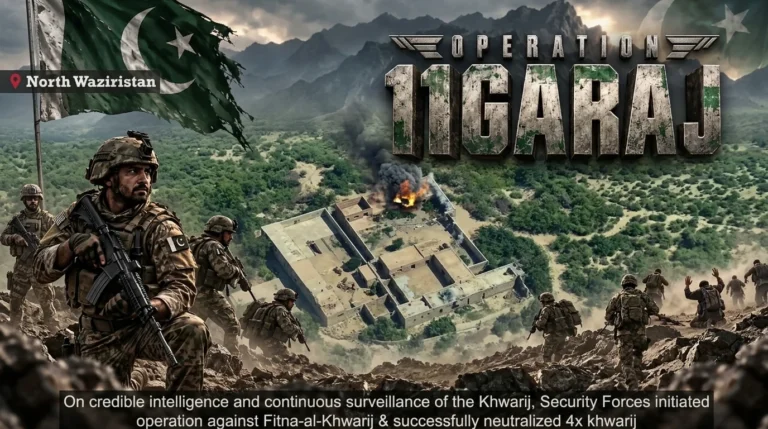
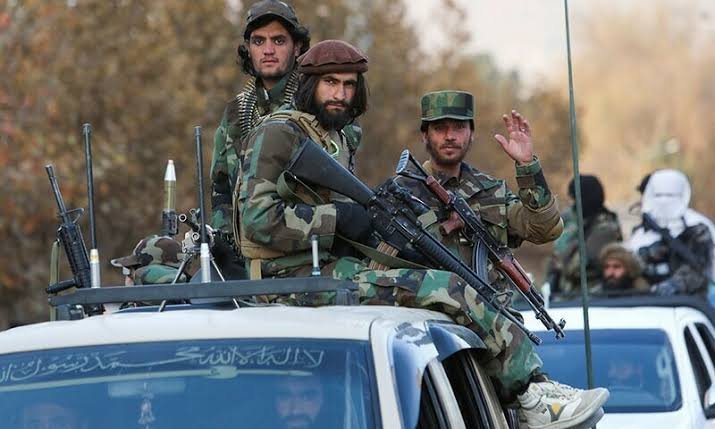
Pakistan is facing terrorism onslaught from Afghanistan based proxies. These cross border attacks target Pakistan’s civilians security forces and critical infrastructure undermining national stability while posing broader risks to regional and international security.
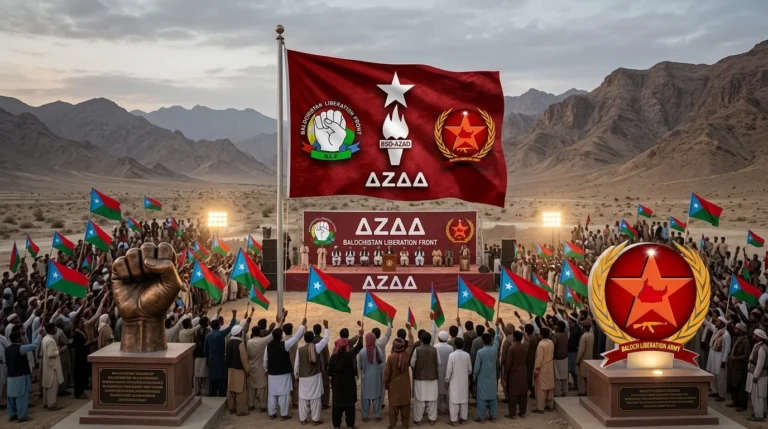
Terrorist groups such as Balochistan Liberation Army (BLA) aided by political fronts like Baloch National Movement (BNM) and Free Balochistan Movement (FBM) in Europe continue to orchestrate attacks aimed at disrupting Pakistan’s peace and economic development. Such support emboldens terrorism fuels instability and hinders regional connectivity and economic integration.
Terrorist groups such as BLA misuse discourse of human rights and political activism to gain legitimacy abroad. Operating under the cover of advocacy organizations think tanks or political fronts they seek to influence public opinion raise financial support recruit sympathizers and spread disinformation while concealing their involvement in terrorist violence. Democratic societies must ensure that legitimate freedoms are not exploited to provide space or impunity for terrorist organizations.
Pakistan has emerged as bulwark against terrorism through sustained military operations enhanced intelligence cooperation strengthened border management and robust law enforcement measures. Pakistan has successfully dismantled terrorist networks and prevented largescale transnational terrorism spillover. These efforts also contribute to curbing irregular migration disrupting transnational narcotics trafficking and preventing organized criminal networks from exploiting regional instability directly supporting security interests of West Asia and Europe.
A stable and secure Pakistan is indispensable for regional peace and global security.
Rather than overlooking Pakistan’s immense sacrifices in combating terrorism international community should strengthen intelligence sharing capacity building and legal cooperation to dismantle transnational terrorist financing and support networks operating across jurisdictions.
Competing narratives shape Pakistan Europe relations and influence policy engagement diplomatic dialogue and long term cooperation. It seeks to identify underlying drivers of perception gaps and assess their implications for political economic and security cooperation. By promoting evidence based dialogue enhanced strategic communication and deeper appreciation of each other’s political security and developmental realities practical policy recommendations will be developed to reduce trust deficits strengthen mutual confidence safeguard benefits of GSP+ and advance a balanced pragmatic and forward looking Pakistan Europe partnership based on shared interests constructive engagement and mutual respect.
Disclaimer:
The views and opinions expressed in this article are exclusively those of the author and do not reflect the official stance, policies, or perspectives of the Platform.

