

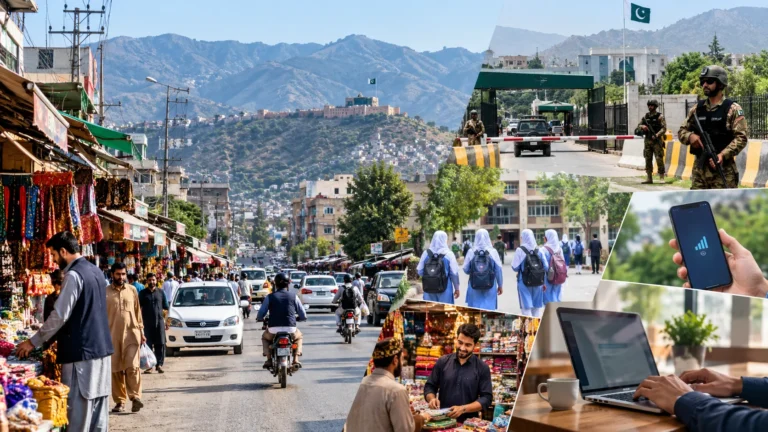
When Terror Gets a Platform: The Allah Nazar Interview and What It Reveals
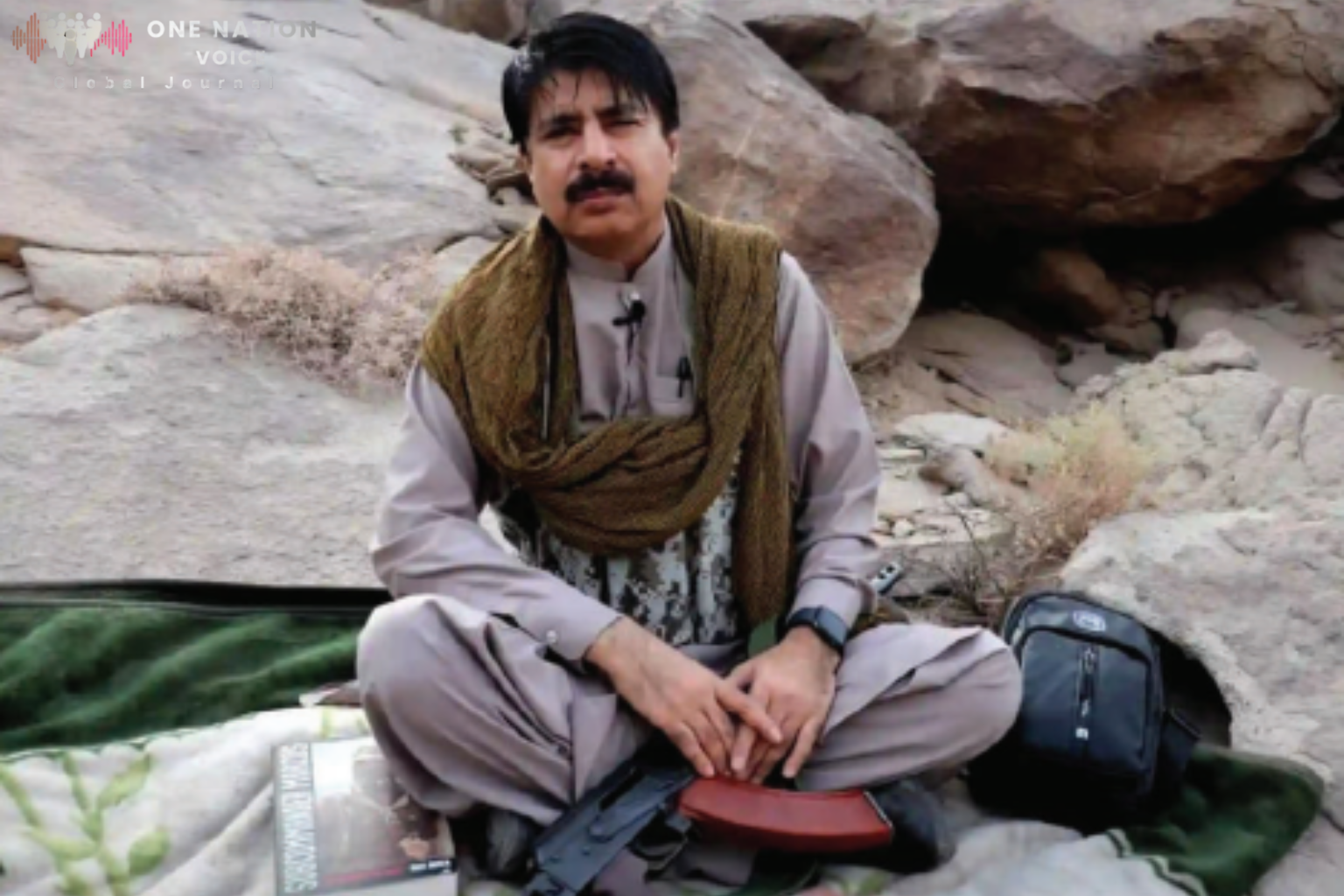
On August 24, 2026, an Indian newspaper The Sunday Guardian handed its pages to Allah Nazar Baloch, the designated chief of the Balochistan Liberation Front an organisation proscribed as a terrorist outfit by Pakistan, Iran, and China. What followed was not journalism. It was amplification. And the timing could hardly be more revealing.
In the interview, Allah Nazar declared that BLF’s sole objective remains a sovereign independent Balochistan the only acceptable solution and expressed hope that India would provide political diplomatic and moral support to the movement. He simultaneously rejected claims about India offering support, calling it fake propaganda by the Pakistani establishment a contradiction that speaks volumes about the architecture of this messaging campaign. You cannot in the same breath deny Indian support and openly appeal for it.
This is the propaganda playbook in plain sight. A terrorist leader whose organisation has claimed responsibility for attacks on civilians labourers and public infrastructure is given an international platform to rebrand his campaign as a political movement. As recently as June 13, 2026, the BLF carried out a coordinated guerrilla attack in Naal town Khuzdar District killing 33 security force personnel while its cadres established blockades on key roads including the CPEC route to isolate the area during the assault. These are not the actions of a political party seeking representation. These are acts of terrorism.
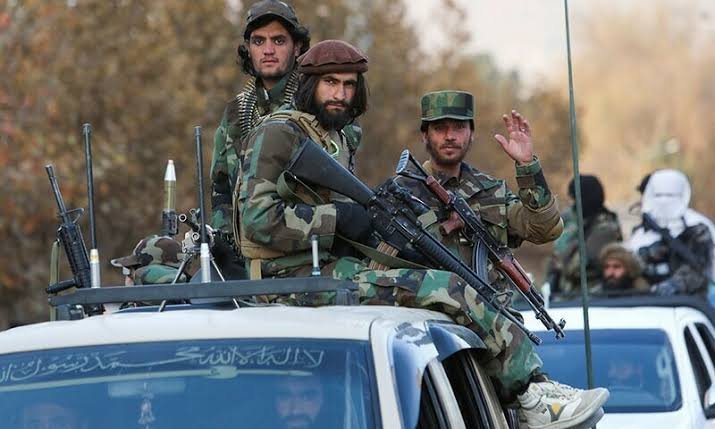
The scale of the security challenge this represents cannot be overstated. Operation Shaban launched in early July 2026 as a joint offensive by the Pakistan Army Frontier Corps Balochistan and provincial police is running on two fronts against the Tehreek e Taliban Pakistan in the north around Ziarat and against the Baloch Liberation Army in the south around Lasbela and Khuzdar. The operation was initiated in response to a terrorist attack on the Mangi Dam police station in which nine police officers including two station house officers were killed. By mid July Pakistani security forces had reported killing over 100 terrorists in coordinated air and ground operations across the province since the operation launched on July 5.
The state’s response has been consistent determined and ongoing. More than 31000 intelligence based operations have been conducted in Balochistan as part of sustained counterterrorism pressure. Chief of Army Staff Field Marshal Syed Asim Munir stated plainly that terrorism originating from across Pakistan’s borders would be crushed with the full might of the state. These are not empty declarations. The operational tempo on the ground reflects them.
Now consider what Allah Nazar’s own words reveal about his organisation’s actual agenda. The BLF has frequently stated that its attacks are specifically aimed at disrupting CPEC as well as Chinese investments and projects more broadly and between April and July of a prior year issued six statements after a series of attacks against military convoys along the CPEC route through Gwadar Kech and Kharan repeatedly threatening to intensify attacks. In his latest interview he doubled down on this line warning of increased attacks against foreign companies operating in Balochistan.
This is not a freedom movement. This is economic sabotage dressed in nationalist rhetoric.
Analysts have already warned that the BLA’s ongoing campaign over 100 attacks this year alone is straining the China Pakistan partnership and deterring new foreign investment with CPEC having lost much of its initial momentum as the security situation makes it difficult to attract capital. Foreign direct investment is acutely susceptible to political instability and the insurgency has created an environment of uncertainty that discourages international investors from committing resources to development projects in the province. Who suffers the most from this? Not the BLF leadership operating from the shadows. It is the ordinary people of Balochistan the young men and women who need jobs roads universities and opportunities not recruitment into terror networks and suicide missions.
This is the deepest hypocrisy at the heart of Allah Nazar’s messaging. He poses as a champion of Balochistan’s dignity while threatening the very investments and infrastructure projects that could lift the province’s population out of poverty. Balochistan remains Pakistan’s most underdeveloped and economically deprived province despite its vast territory strategic position access to the Strait of Hormuz through Gwadar Port and land borders with Iran and Afghanistan a status that development through CPEC and related projects has the genuine potential to transform. The BLF’s campaign against this development is not liberation. It is a sentence of continued deprivation for the people it claims to represent.
The missing persons narrative deployed by terrorist propagandists also deserves scrutiny. Cases have emerged where individuals initially portrayed as victims of enforced disappearance were later identified through the disclosures of terrorists themselves as active combatants including figures like Muhammad Rafiq Bizenjo Bilal Shahwani and others. The victimhood narrative is a deliberately constructed shield deployed to protect terrorist networks from accountability by wrapping them in the language of human rights.
The platform extended by The Sunday Guardian must be understood for what it is: a media channel functioning within a broader information operation. Allah Nazar openly sought Indian political and diplomatic support expressing hope that New Delhi would raise the issue at international forums and provide moral backing to the movement. That an Indian publication immediately provided him that platform is not coincidence. It is coordination. Whether or not formal state sponsorship exists India has consistently denied it the infrastructure of amplification is functioning precisely as the terrorist leadership intended.
Pakistan’s security forces continue to dismantle networks recover weapons and eliminate terrorists across Balochistan in sustained intelligence based operations. The state has demonstrated both the will and the capacity to confront this threat. But the security response alone is never the complete answer. The future of Balochistan must be built on classrooms connectivity investment and inclusion not on the ruins left behind by those who recruit young people into violent movements while themselves remaining safely out of harm’s way.
Allah Nazar’s propaganda is ultimately a war against Balochistan’s own future. And no amount of international platform giving will change that fundamental truth.
Disclaimer:
The views and opinions expressed in this article are exclusively those of the author and do not reflect the official stance, policies, or perspectives of the Platform.

Author

Mozammil Khan has a keen interest in politics and international economics. His academic work examines how infrastructure and geopolitical dynamics influence trade routes and regional cooperation, particularly in South and Central Asia. He is passionate about contributing to policy dialogue and sustainable development through evidence based research, aiming to bridge the gap between academic inquiry and practical policymaking.
