

India’s Own Analyst Admits Pakistan Was Right All Along
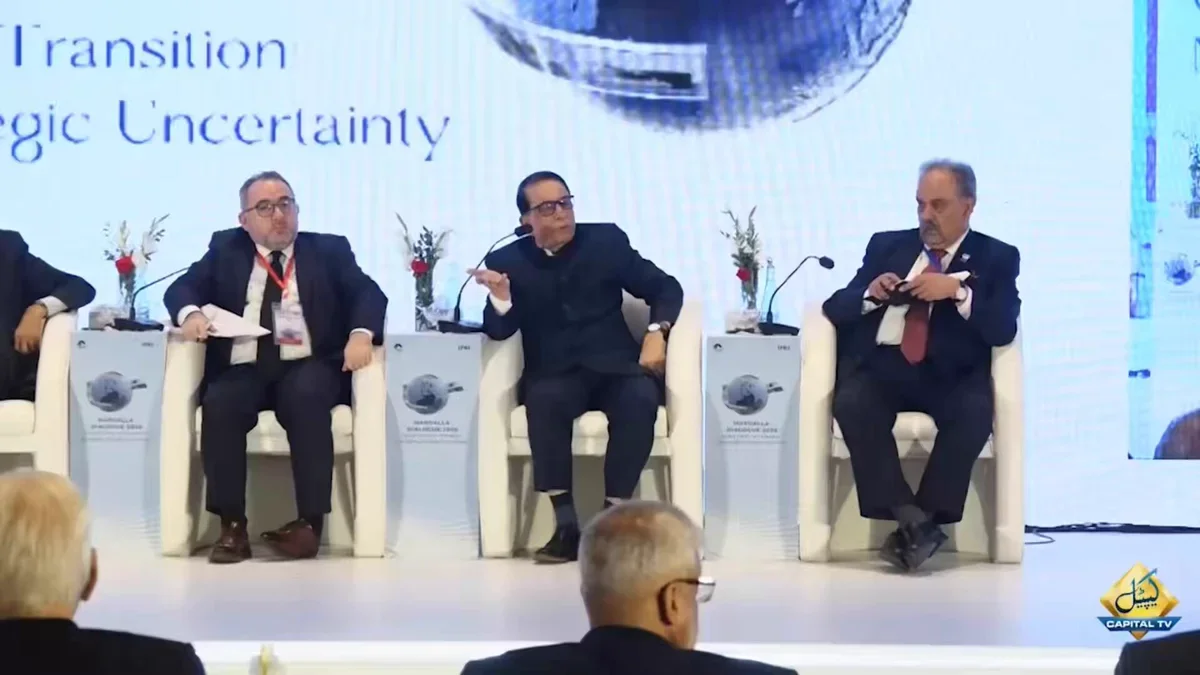
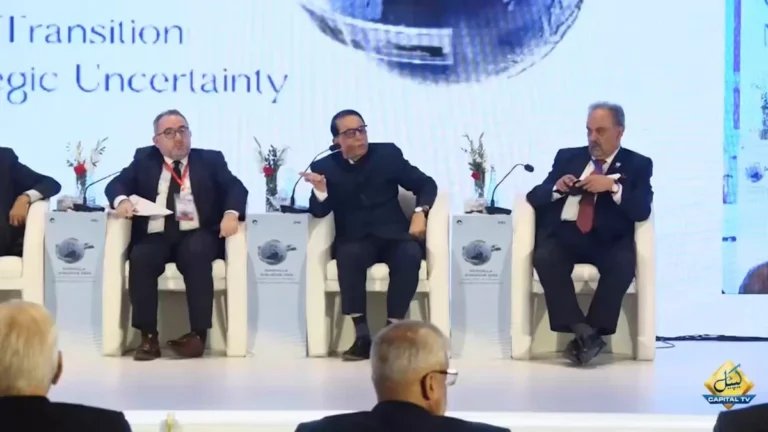
The Margalla Dialogue, held annually in Islamabad, is not merely a conference. It is a mirror of Pakistan’s intellectual maturity. This year’s dialogue was particularly noteworthy. Speakers at the Margalla Dialogue highlighted the shifting dynamics of global power and challenged India’s claims of regional dominance. But what drew the most attention was an open admission from India’s own defence analyst Pravin Sawhney, that the position Pakistan had maintained for years was entirely correct.
Pravin Sawhney is no ordinary voice. He is a former Indian Army officer and prominent geopolitical analyst who recently stated at a public event that India would need to carefully assess its strategic and economic interests while navigating the changes of an emerging multipolar world. His assertion that India’s foreign policy requires fundamental change is not merely an opinion. It is a bitter acknowledgment rooted in hard facts.
Pakistan has always said it is ready for dialogue on the basis of equality, but it will not accept anyone’s bullying. Pakistan continued to call for a “composite dialogue” to resolve all outstanding disputes, while India declined to proceed with negotiations, leaving the structured dialogue process between the two countries stalled for over eleven years. And now India’s own expert is conceding that this approach not only failed but proved actively harmful.
The case of SAARC is even clearer. India’s most consequential strategic mistake was its abandonment of SAARC. South Asia’s biggest challenge has always been the absence of regional integration. By preventing China from entering SAARC, India did not keep China out of South Asia. It merely pushed China towards alternative mechanisms.
Beijing subsequently expanded its influence through BRI, bilateral partnerships and new regional arrangements.
What was the result? Every South Asian country except Bhutan has joined the Belt and Road Initiative. In this situation, rather than competing with China in South Asia, India would be better served by working with China for mutually beneficial outcomes. And this was said by Pravin Sawhney himself, not by any Pakistani analyst.
Sawhney criticised India’s foreign policy, arguing that it has viewed international relations through a colonial mindset, as though the world were a zero sum game. He warned that India’s alignment with the United States could alienate it from its South Asian neighbours, increasing the risk of strategic isolation.
This is precisely what Pakistan has been saying all along. No country in the region is willing to walk under the umbrella of a self appointed big brother. India’s own alternative forums such as BBIN and BIMSTEC hold little attraction for smaller countries when they can see that China’s BRI offers greater dividends.
This year’s Margalla Dialogue delivered another important message. The dialogue brought together original thinking, diversity of opinion, objectivity and intellectual maturity. This is exactly what any serious intellectual engagement should look like. Islamabad gave an Indian analyst the platform to speak freely. This is not weakness, it is confidence.
Sawhney has written plainly that the Modi government has become a prisoner of its archaic and outdated foreign policy. When an Indian expert holds up this kind of mirror to his own government, it carries far greater weight than any external criticism.
The Margalla Dialogue is Pakistan’s opportunity to present its own position in a multipolar world, not merely to participate in global conversations, but to shape them. That requires cooperation built on equality, not political pressure.
Today’s world has delivered its verdict. Progress comes not through domination, but through partnership. The admission by India’s own analyst that change in foreign policy is unavoidable is, in essence, a confirmation of the truth Pakistan has been voicing for decades. A country that does not treat its smaller neighbours as equals ends up standing alone on the pages of history.

