
Paigham-e-Pakistan and Madrassa Unity Against Militancy
Paigham-e-Pakistan and Madrassa Unity Against Militancy
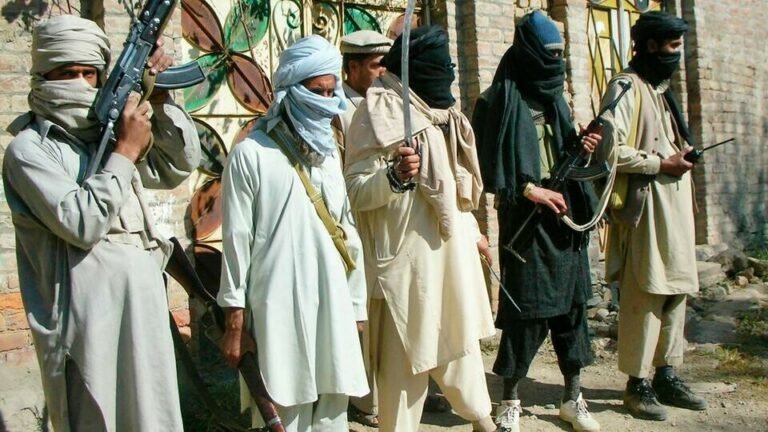
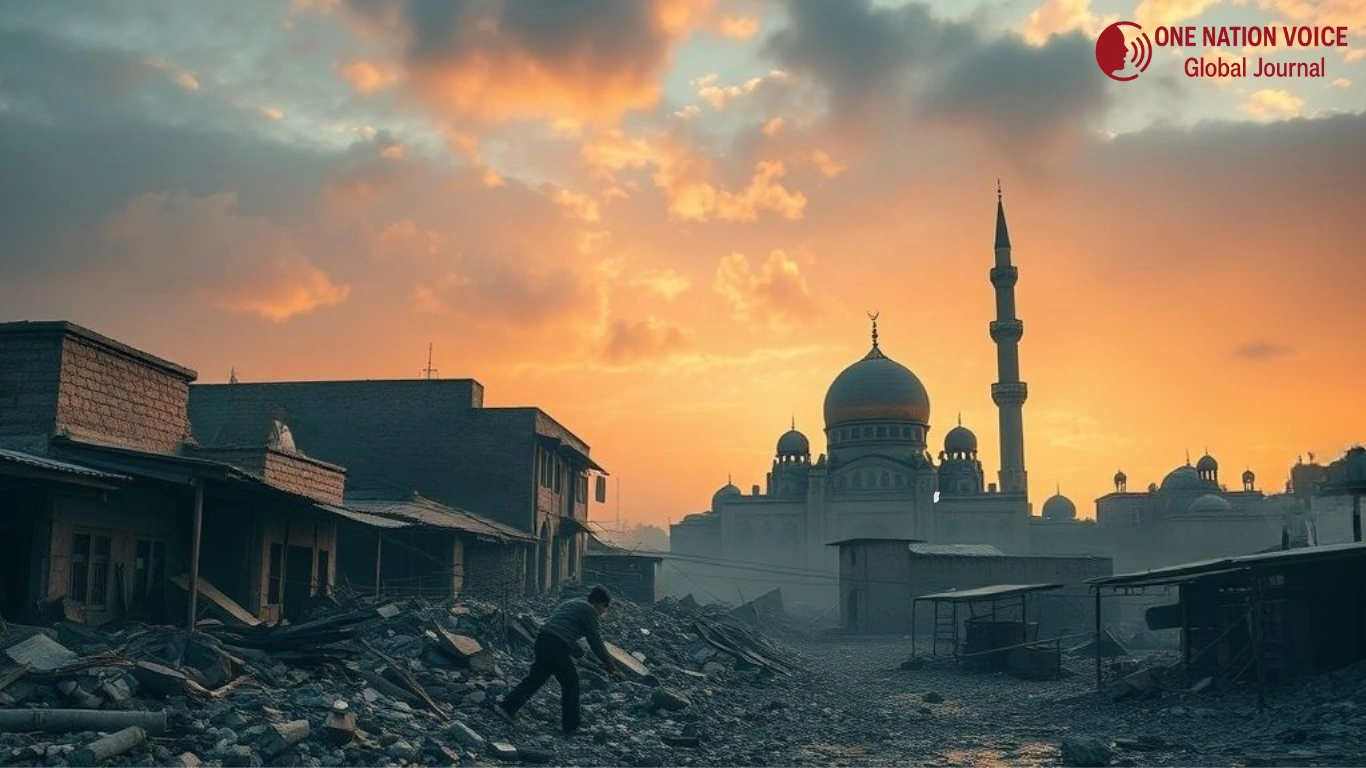
Pakistan has been through a lot when it comes to terrorism. For years, militant groups twisted religion to justify bloodshed and spread sectarian hatred. But when one look at Islam itself, the message is very clear. Violence like this is not jihad, but it is corruption. The Qur’an warns, “Do not cause corruption on earth after it has been set in order” (7:56). Similarly, the Prophet ﷺ said about those who rebel and kill without distinction: “He is not from me” (Sahih Muslim, 1848). These teachings leave no room for what militants have been doing.
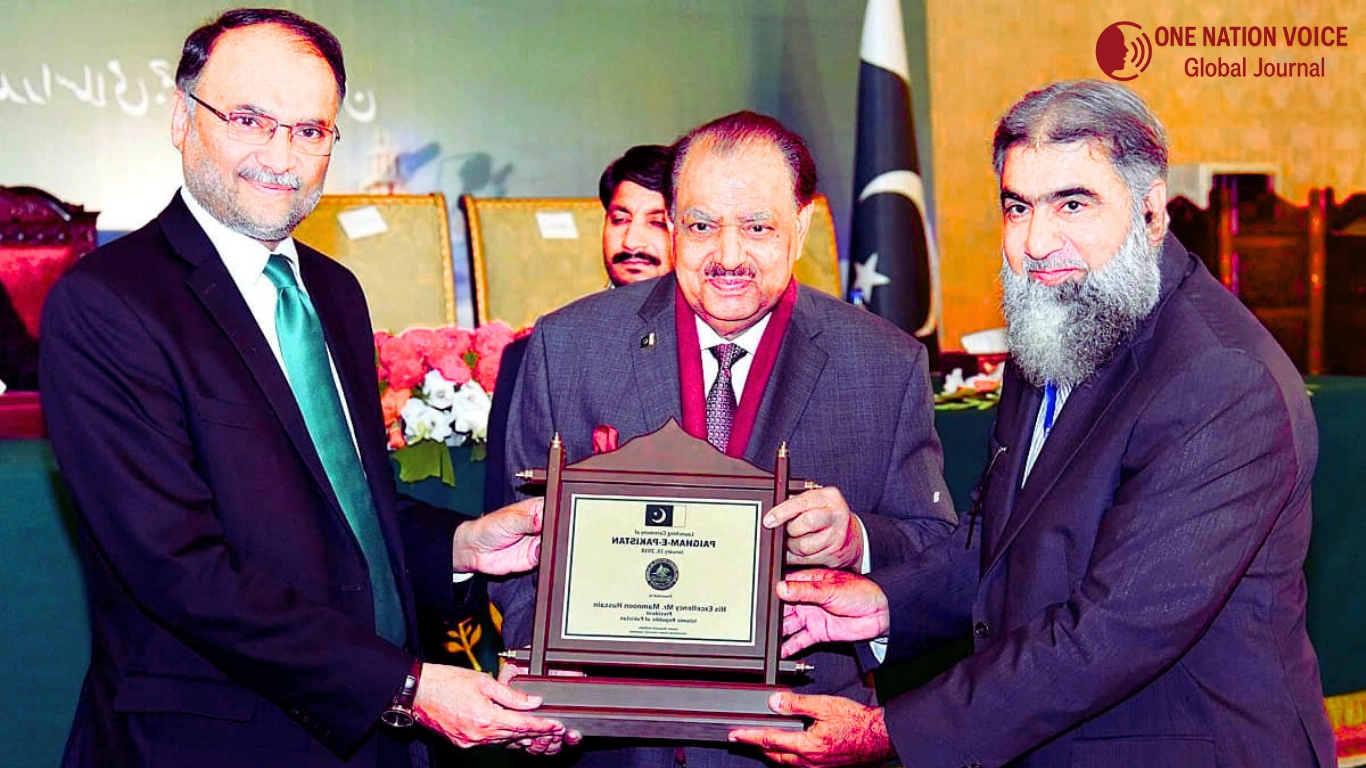
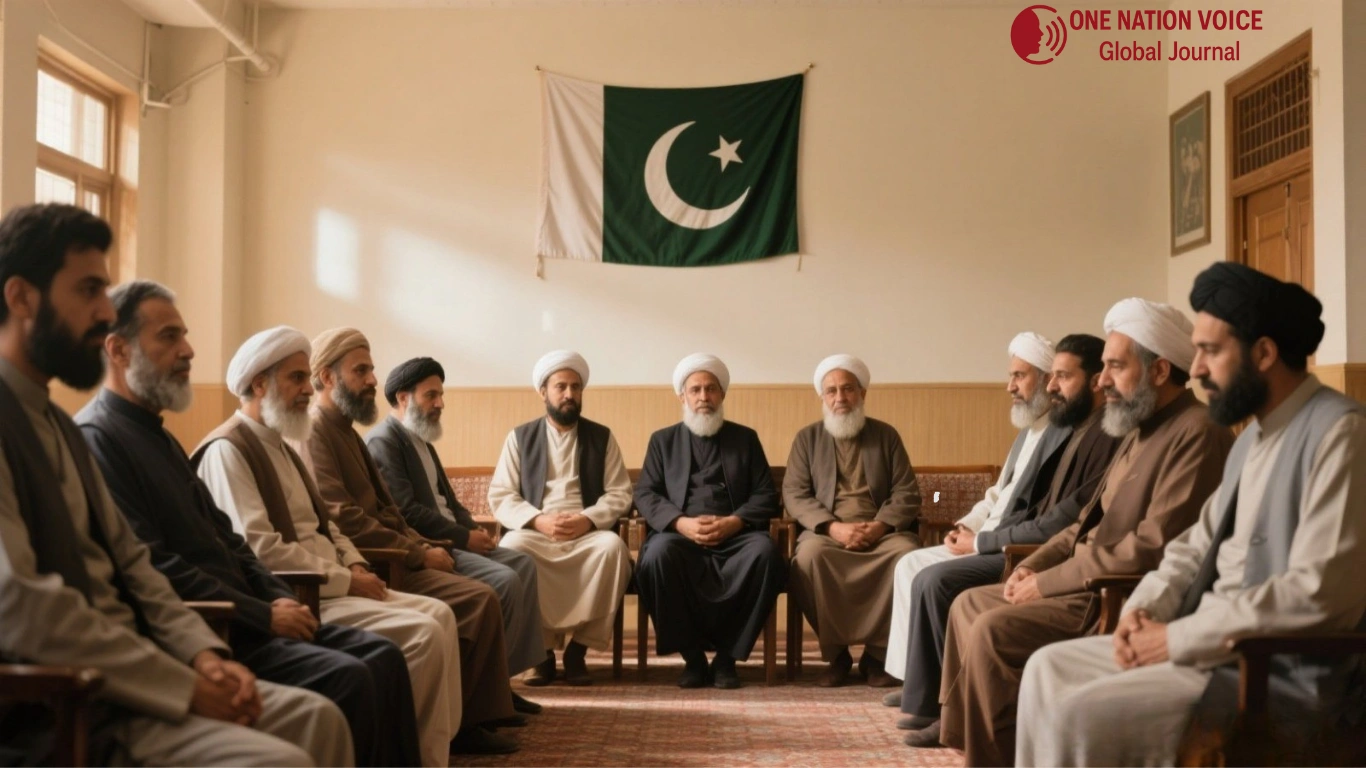
Back in January 2018, Pakistan finally drew a firm line in the sand. The government brought together more than 1,800 scholars from across the country who include Deobandi, Barelvi, Shia, and Ahl-e-Hadith. The purpose was to issue a collective fatwa.
They called it Paigham-e-Pakistan, and it left no ambiguity that suicide attacks, armed militancy, and rebellion against the state are all haram. It also reminded people of a fundamental Qur’anic principle (4:59): only the legitimate government can declare jihad. Thus, this was not just another religious statement. It was a turning point.
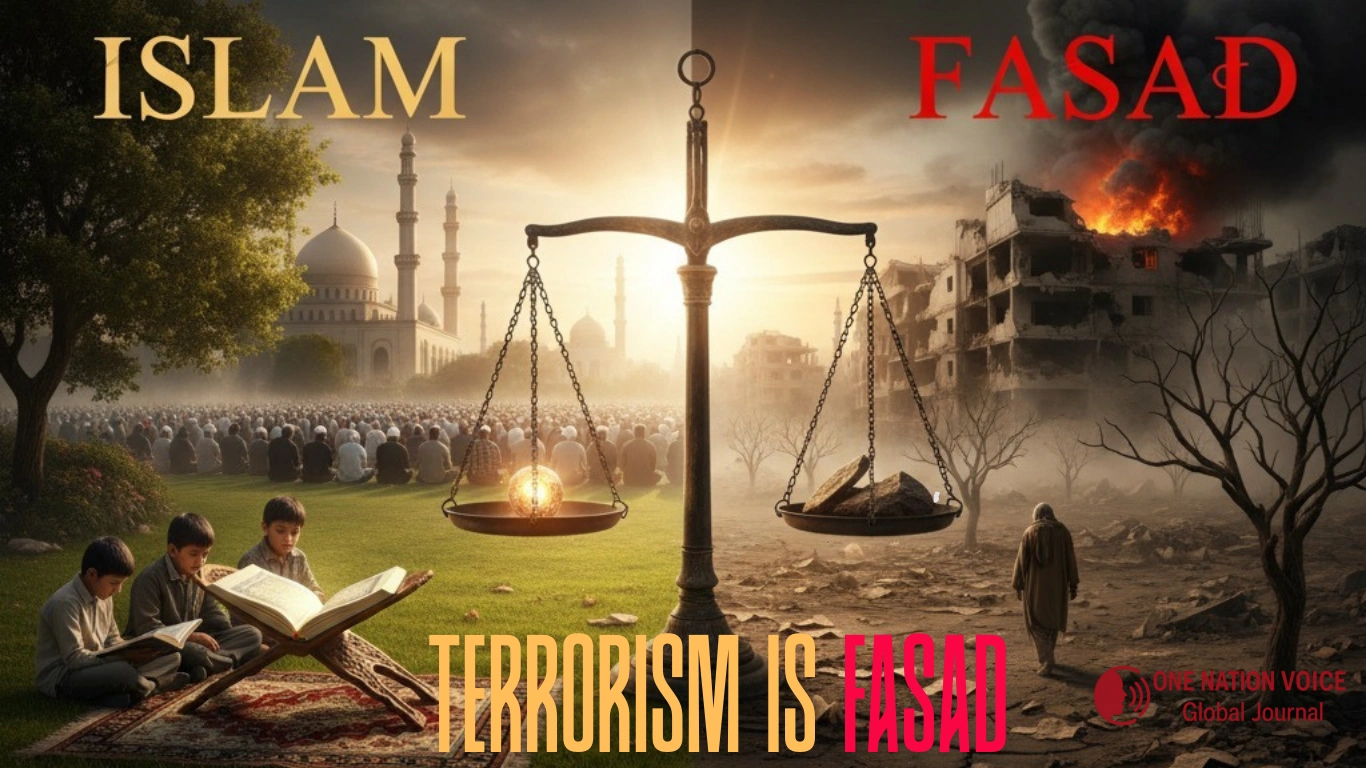
Terrorism Isn’t Jihad, it is Fasad
One of the most damaging lies militants spread is that their violence is “holy war.” But when one read the Qur’an, it becomes obvious that what they are doing falls under fasad fil-ardh that is corruption on earth. Terrorist attacks rip apart the very fabric of society. Besides, they destroy peace, trust, and order. Islam values life and stability. Thus, taking those things away in the name of religion is a betrayal of religion itself.
The Prophet’s warning also fits the situation in Pakistan perfectly. Militants do not discriminate. They attack mosques, markets, schools and anyone who happens to be there. Hence, this kind of bloodshed puts them completely outside the teachings of the Prophet ﷺ.
Why State Authority Matters against Militancy
Another point that Paigham-e-Pakistan made crystal clear is that individuals and groups does not have the right to declare war. The Qur’an says, “Obey Allah, obey the Messenger, and those in authority among you” (4:59).
This means if jihad is ever to be declared, it must come from legitimate state leadership, not from self-appointed leaders hiding themselves in mountains or safe houses.
By linking rebellion against the Constitution of Pakistan to rebellion against Islam itself, the fatwa effectively removed the religious cover militants were trying to hide under. It declared, if you pick up arms against the state, you are not serving Islam, but you are violating it.
What Made This Fatwa Different
Fatwas have been issued before, but Paigham-e-Pakistan was different because of the unity behind it. Over 1,800 scholars, from every major school of thought in Pakistan, signed it. Thus, this kind of consensus is rare, especially in a country where sectarian differences are often exploited.
For militants, this was a huge blow. They thrived on confusion and division, hoping people would doubt whether Islam really condemned their actions. But with this fatwa, there is no room left for doubt.
The involvement of Madaris (religious seminaries) was a key. Historically, these institutions played a big role in shaping Muslims’ identity and even supported the Pakistan Movement. Today, they are doing something equally important. They are protecting young minds from radicalization.
Extremist groups often target Madrassa students for recruitment to these groups. When the very leaders of these institutions stand up and say militancy is forbidden, it pulls the rug out from extremist propaganda.
It also shows that Madaris are not tools of militants. They are defenders of Islam and of Pakistan’s unity.
Closing the Door on Extremist Narratives
The fatwa did not just condemn terrorism. It also cuts off the main ideological excuses militants use. For young people particularly, this matters. They need clarity, not half-baked justifications from people twisting religion. So Paigham-e-Pakistan gives them that clarity. It says plainly that real jihad is not killing own innocent people or attacking own state.
Scholars as Guardians of Peace
What this really highlighted is the role of genuine scholars. True ulema does not use religion for chaos. They protect peace, guide people with wisdom, and stand guard against those who would misuse Islam. Similarly, Paigham-e-Pakistan was a collective act of responsibility by Pakistan’s scholars, reclaiming the religious narrative from militants and restoring it to where it belongs that is on the side of peace and justice.
Pakistan’s fight against militancy is not only about military operations. It is also about ideas. Guns can take down fighters, but they cannot defeat an ideology. This is why Paigham-e-Pakistan mattered so much. It gave the country a unified religious voice against extremism, backed by centuries of Islamic tradition.
For Pakistan, the message is powerful: our scholars and our Madaris stand with peace, with the state, and with the people, and not with the militants. Thus, it is this unity which makes it possible to protect both the sanctity of Islam and the sovereignty of Pakistan.
Disclaimer: The views and opinions expressed in this article are exclusively those of the author and do not reflect the official stance, policies, or perspectives of the Platform.

