



India Water Release into the Chenab
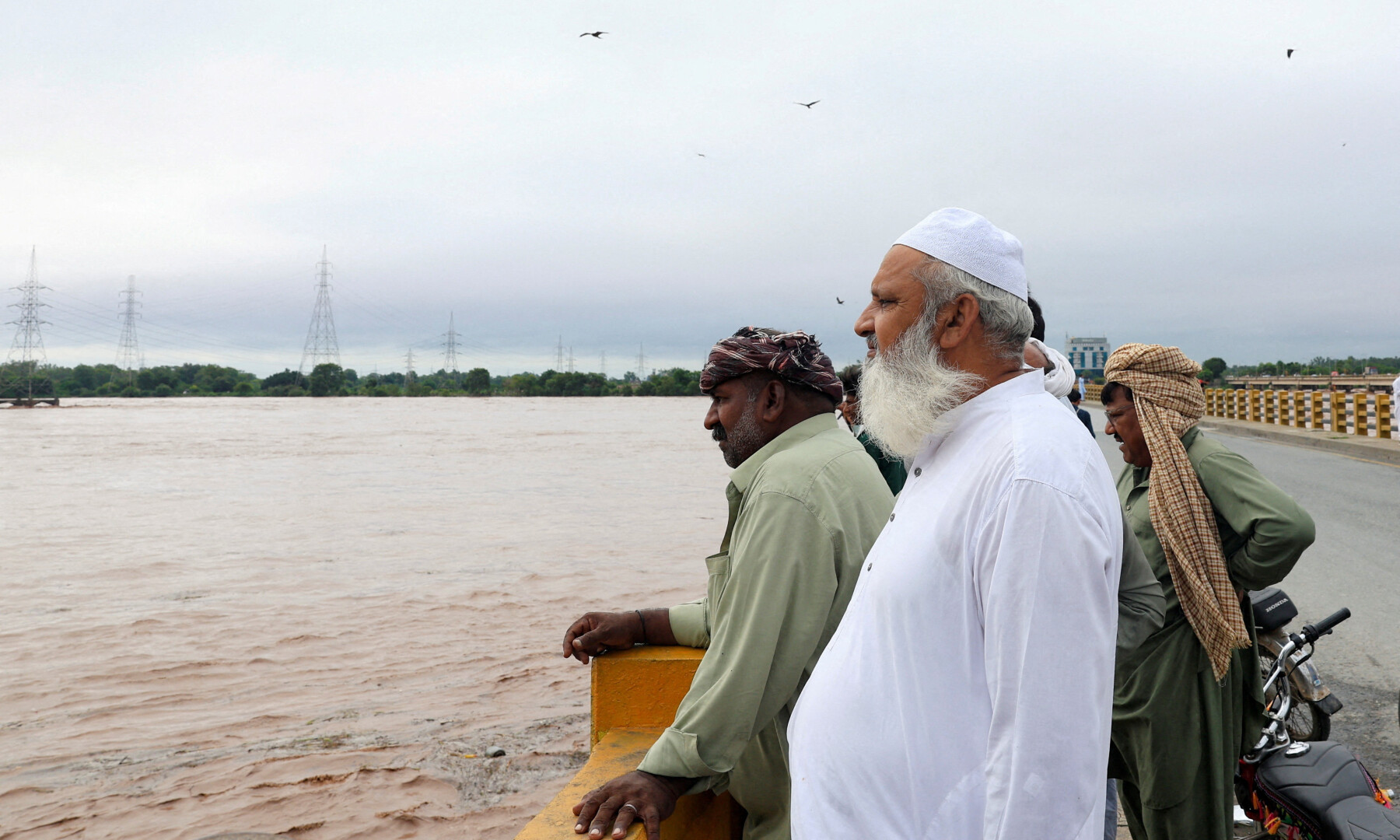
South Asia’s precarious water politics have once again come to light due to India’s unexpected flood of water into the Chenab River, which increased the flow to 58,300 cusecs virtually overnight. The abrupt increase is much more than a hydrological occurrence for Pakistan, a lower-riparian nation whose agriculture is heavily reliant on steady and predictable river flows; it serves as a sobering reminder of how susceptible its food security and economic stability are to decisions made upstream that are out of its control. The alarm is only heightened by reports that India may soon refill its dams, potentially reducing downstream flow to almost zero. India’s opaque management of shared rivers threatens to worsen an emerging agricultural crisis at a time when Pakistan is struggling with climate-driven water volatility and an already overburdened irrigation system.
Pakistan’s worries go beyond conjecture. The wheat crop, which is the foundation of the country’s food system, is in a critical stage at the time of the abrupt increase in Chenab flow. Wheat is the mainstay that supports both the rural economy and household food security, making it more than just another agricultural product. Crop health is seriously endangered by erratic water releases, which first cause overwhelming volumes and then raise concerns about an abrupt drop. While the expected drawdown during India’s dam refilling cycle could leave fields parched at a time when stable moisture levels are essential, flood-like surges can harm standing crops, erode soil, and interfere with irrigation channels.
Punjab’s most productive districts make up Pakistan’s wheat belt, which is extremely vulnerable to such disturbances. Therefore, the threat of erratic water flows from across the border has caused a great deal of anxiety among both policymakers and farmers
It is impossible to overlook the deeper geopolitical undertones in this episode. The Indus Waters Treaty (IWT), which has been a rare example of cooperation between two nuclear-armed neighbors for more than 60 years, is directly violated by India’s unannounced water release. When significant operational decisions about dams are made unilaterally, the treaty’s requirements for information sharing, coordination, and predictability are compromised. The agreement has already been strained by India’s suspension of important treaty mechanisms in recent years, and the current incident heightens concerns that New Delhi may be reevaluating its approach to water governance as a strategic pressure point rather than a shared regional responsibility.
Pakistan’s claims of “water terrorism” must be interpreted in this light. Despite the term’s political connotations, its use reflects real concerns that water could be used as a weapon in a covert, gradual, and convincingly deniable manner. In geopolitical practice, coercion can appear through the manipulation of vital resources whose control confers asymmetric power, rather than always through overt aggression. One such resource is water, especially in a climate-stressed area like South Asia.
Therefore, any pattern of unexpected flows, sudden releases, or abrupt reductions in shared rivers is treated with extreme suspicion, particularly when it occurs in conjunction with more general diplomatic tensions
This incident has far-reaching effects that go well beyond the current agricultural cycle. Pakistan’s irrigation system is unprepared to deal with sudden hydrological shocks designed upstream because it was constructed under the presumption of steady river regimes. At Marala, Khanki, Qadirabad, and Trimmu, where flows were previously recorded at moderate levels of 31,000, 17,000, 11,000, and 11,000 cusecs, respectively, Pakistan must quickly manage surges when India releases excessive amounts of water. It can only take a few hours to distinguish between a flow that is manageable and one that poses a threat to agricultural fields or riverbank communities. These operational demands put pressure on provincial disaster management authorities and put farming communities at risk, over which they have no control or accountability.
Furthermore, there are long-term strategic ramifications to the unpredictability of cross-border water management. Food security is a fundamental aspect of national security, not merely a domestic issue. Market stability, inflation, rural livelihoods, and political cohesion all suffer when a nation’s staple crop is threatened by fluctuating water availability. Pakistan’s foreign exchange reserves may be strained, and the country’s economy may become more susceptible to shocks to global prices if the wheat harvest is poor.
Geopolitical uncertainty runs the risk of creating a perfect storm in an area where climate change is already upsetting glacier melt and rainfall patterns
At a time when communication is already at a standstill, India’s decision to release water without prior notification, in spite of established protocols, further undermines trust. Water management transparency is more than just a formal courtesy; it’s a way to foster mutual respect and confidence. It gets harder for either side to see water sharing as separate from more general political conflicts when such transparency is lacking. Every hydrological fluctuation has higher stakes as mistrust increases and the possibility of cooperative water governance decreases.
There is more to India’s unexpected flood into the Chenab than just a technical issue with dam operations. It serves as a reminder that shared natural resources in politically sensitive areas need to be managed with the highest accountability, consistency, and consideration for downstream vulnerabilities. Geopolitical unpredictability in river flows is too much for Pakistan’s agricultural sector, which already struggles with climate variability. Both countries must recommit to openness and cooperation rather than unilateralism and brinkmanship if the Indus Waters Treaty is to survive and regional stability is to be maintained. Without such pledges, the region’s precarious stability will continue to deteriorate, and millions of lives and livelihoods will remain at risk due to decisions made upstream.

