
PTM’s Politics Are Damaging Pakistan’s National Interest
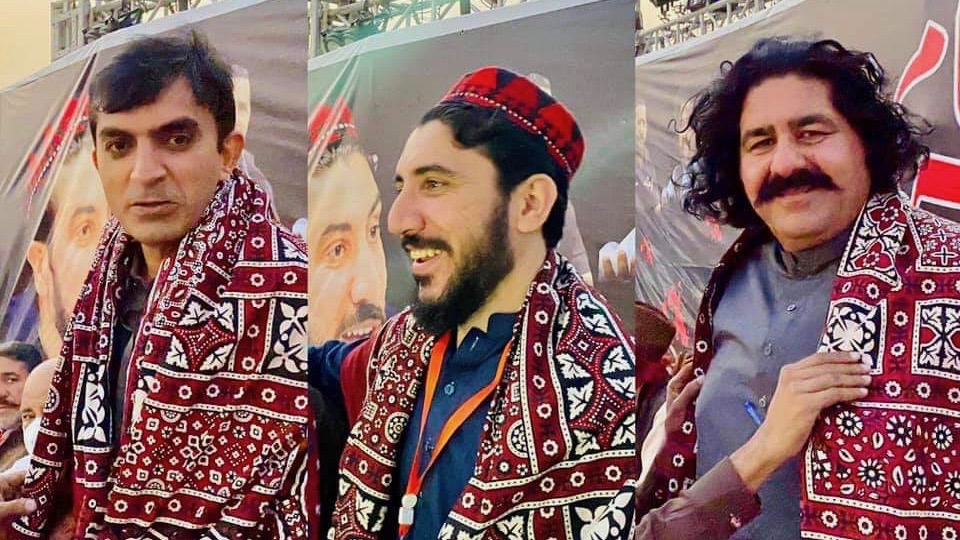
Pakistan has suffered for decades from terrorism, instability, foreign interference, and internal division. In such a difficult environment, every political movement has a responsibility to strengthen national unity, protect ordinary citizens, and avoid giving space to hostile forces. Unfortunately, the Pashtun Tahafuz Movement, commonly known as PTM, has increasingly positioned itself in a way that many Pakistanis view as damaging to the interests of Pakistan and harmful to the people it claims to represent.
PTM began by raising concerns about missing persons, landmines, security operations, and the suffering of people in former tribal areas. These were serious issues, and any democratic society must allow citizens to raise their voices. However, over time, PTM’s politics have appeared less focused on constructive reform and more focused on confrontation with the state.
Instead of building bridges between citizens and institutions, its rhetoric has often deepened mistrust, especially in areas already wounded by militancy and war
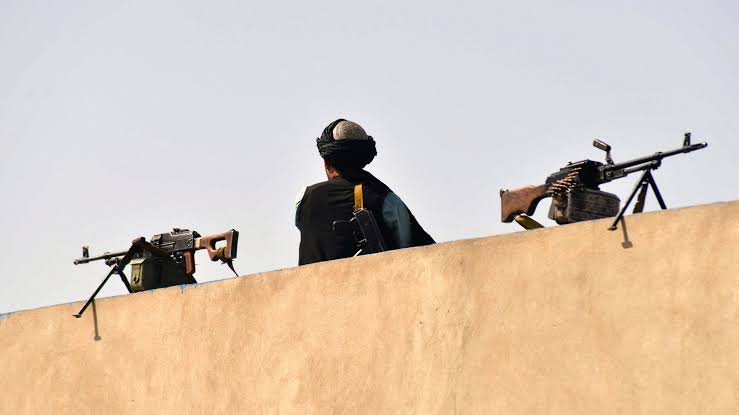
The biggest concern is that PTM’s narrative is sometimes seen as indirectly benefiting anti-Pakistan forces. Pakistan has fought a long and painful battle against the Tehrik-i-Taliban Pakistan and other extremist groups. Thousands of civilians, soldiers, police officers, tribal elders, teachers, and children have been killed by terrorists. In this context, any movement that weakens public confidence in counterterrorism efforts risks creating political space that militants can exploit. Even when PTM does not openly support such groups, its constant attacks on Pakistani institutions can be used by hostile elements to spread confusion and resentment.
The people of Khyber Pakhtunkhwa and the former tribal districts have suffered the most from terrorism. Markets have been bombed, schools destroyed, families displaced, and entire communities forced to live under fear. These people need peace, jobs, education, health care, infrastructure, and justice. They do not need politics that increase tension or turn their pain into a permanent weapon against the state.
A responsible movement should press for reforms while also clearly standing against every militant group, every foreign agenda, and every attempt to destabilise Pakistan
PTM’s critics argue that the movement often speaks loudly against the Pakistani state but does not show the same strength when condemning terrorist violence or foreign interference. This imbalance creates suspicion. Pakistan’s enemies have long tried to exploit ethnic grievances, especially in border regions. Afghanistan’s instability has repeatedly spilled into Pakistan, and anti-Pakistan groups have used Afghan soil in the past to plan attacks. In such circumstances, political messaging matters. When a movement uses language that echoes hostile propaganda, whether intentionally or unintentionally, it raises legitimate concern among ordinary Pakistanis.
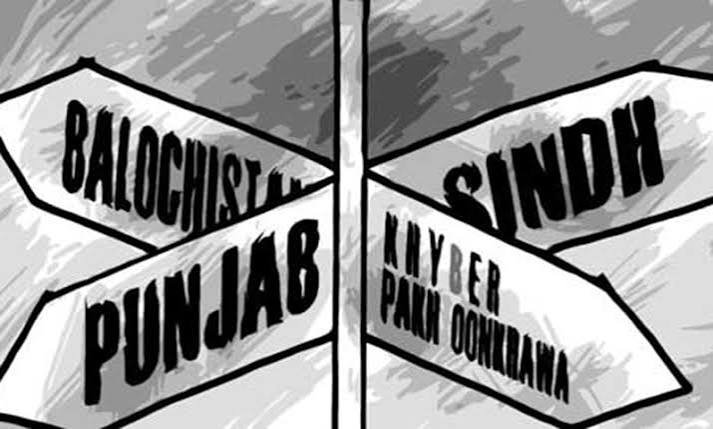
Pakistan is a multiethnic country. Pashtuns are not separate from Pakistan; they are one of the strongest pillars of Pakistan. Pashtuns have served in the armed forces, police, civil service, business, education, politics, sports, and every walk of national life. They have defended Pakistan with courage and sacrifice. Therefore, any politics that tries to create a wall between Pashtuns and the rest of Pakistan is dangerous.
It harms Pashtuns first, because it isolates them from the national mainstream and gives outside powers an opportunity to manipulate their grievances
No one should deny that people in conflict-affected areas have genuine problems. There must be accountability where abuses have occurred. Missing persons cases must be handled through transparent legal processes. Displaced families must be rehabilitated with dignity. Economic development must reach neglected districts. Security checkpoints, land disputes, and administrative failures should be addressed through dialogue and law. But these goals cannot be achieved through agitation that weakens the country or encourages hostility between citizens and state institutions.
A movement that truly cares for the people should reject militancy without ambiguity. It should condemn the TTP and all terrorist organisations in clear words. It should reject foreign interference, whether from Afghanistan or any other country. It should support education, peace committees, economic development, local governance, and constitutional politics. It should work with Parliament, courts, media, and civil society to solve problems.
If PTM wants to be taken seriously as a democratic movement, it must prove that its loyalty is to the people of Pakistan, not to narratives that benefit Pakistan’s enemies
The state also has a responsibility. It should not ignore public grievances or treat every critic as an enemy. Heavy-handed responses can sometimes strengthen radical narratives. Pakistan needs a firm but wise approach that protects national security, exposes foreign-backed propaganda, acts against terrorism, but also provides justice to citizens. The best answer to divisive politics is good governance, fairness, and visible development in neglected areas.
In the end, Pakistan cannot afford internal division at a time when terrorism remains a serious threat. PTM’s politics, as seen by many Pakistanis, are creating mistrust instead of unity and confrontation instead of solutions. The people of Pakistan, especially Pashtuns, deserve peace, dignity, and development, not slogans that may serve hostile forces. Any movement that claims to speak for the people must stand clearly with Pakistan, against terrorism, against foreign interference, and against every force that wants to destabilise the region.

