

The Real Reason Lindsey Graham Is Angry at Pakistan
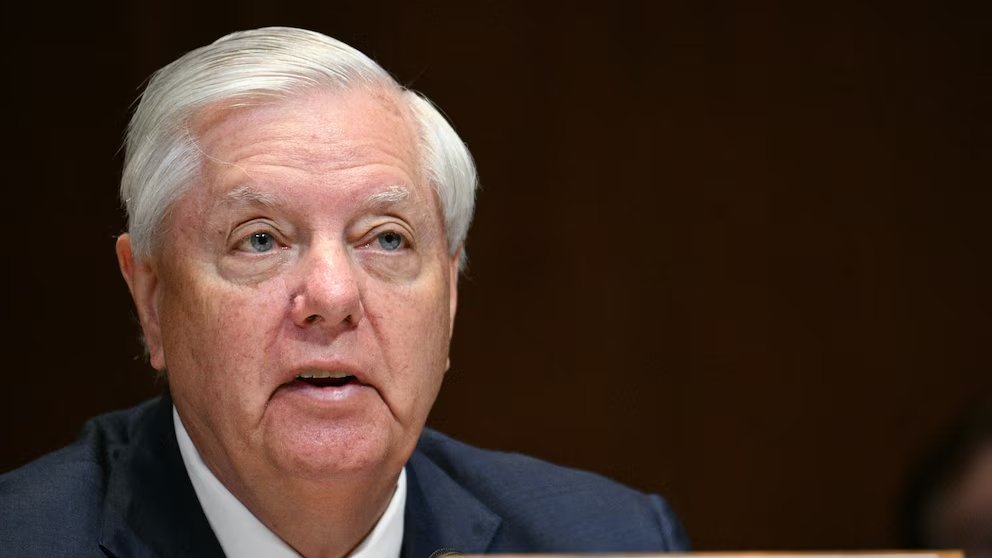
Senator Lindsey Graham’s remarks during the Senate hearing were revealing not because they exposed Pakistan’s alleged duplicity, but because they exposed Washington’s frustration when diplomacy begins to work outside the script preferred by the war lobby. His anger over reports of Iranian aircraft being parked at Pakistan’s Nur Khan airbase was presented as a matter of trust, neutrality, and mediation ethics. Yet the timing, tone, and political context suggest something deeper: Pakistan’s role as a channel between Washington and Tehran has irritated those who never wanted this conflict to move toward negotiation in the first place.
Graham said he did not trust Pakistan “as far as I can throw them” after reports alleged that Iranian aircraft had been moved to Pakistani airfields after the ceasefire announcement. The claim was serious, but it was not uncontested. Pakistan rejected the report as “misleading and sensationalized,” explaining that after the ceasefire and during the Islamabad talks, aircraft from both Iran and the United States arrived to facilitate the movement of diplomatic personnel, security teams, and administrative staff, with some remaining temporarily for follow-up engagement.
That explanation may not satisfy Graham, but it should at least have restrained the rush to turn an aircraft-parking issue into an indictment of Pakistan’s entire diplomatic role
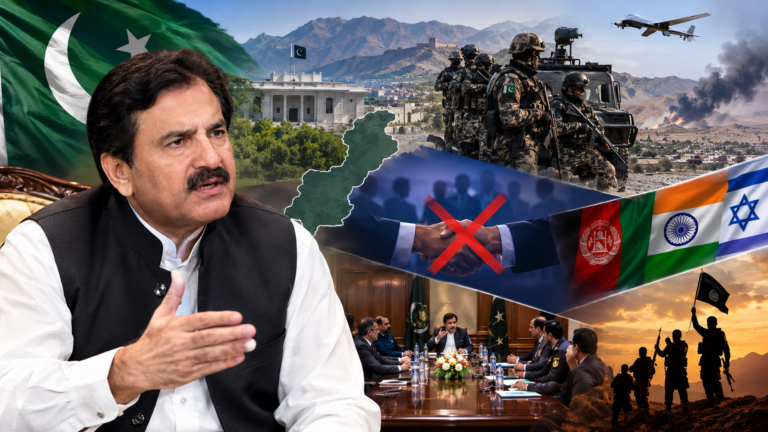
What Graham’s intervention really showed was not concern for procedure, but frustration with the direction of events. Pakistan has emerged as a key channel in the effort to contain a widening conflict involving Iran, Israel, and the United States. The first indirect U.S.-Iran talks were held in Islamabad on April 11, and Pakistan has continued shuttle diplomacy since then. President Trump, despite pressure, publicly backed Pakistan’s role, saying the Pakistanis, the army chief, and the prime minister had been “great.”
That endorsement matters. It means Graham’s outburst was not simply aimed at Pakistan; it was also a signal to Trump. The senator and the broader pro-Israel hawkish camp appear deeply uncomfortable with any process that freezes military momentum and gives diplomacy room to breathe. For them, a ceasefire is not a pathway to settlement; it is a pause that allows Iran to recover, reorganize, and negotiate. That is why Pakistan’s mediation irritates them so much. Islamabad is not being attacked because of one odd aircraft story.
It is being attacked because it has become useful to a peace process that many powerful actors would rather see collapse
Graham’s foreign policy instincts have long been defined by maximum pressure, military escalation, and near-automatic alignment with Israel’s security narrative. In this crisis, his position has been no different. From the beginning, he has argued as though Iran must be defeated, not engaged. Such thinking leaves no room for mediators, compromise, or phased de-escalation. It treats diplomacy as weakness and any regional actor capable of speaking to Tehran as a suspect.
That is why the outrage over Pakistan feels selective. If the issue is aircraft movement during diplomacy, then the full logistical context matters. If aircraft connected to both sides arrived during talks, then the matter is administrative before it is strategic. If Pakistan was hosting delegations, security teams, and negotiating channels, then some movement of personnel and equipment was inevitable.
Graham ignored that complexity because complexity does not serve the politics of escalation
The Israeli lobby and its allies in Washington are not angry because Pakistan failed as a mediator. They are angry because Pakistan may have helped prevent the conflict from expanding further. A sustainable agreement would reduce Israel’s ability to frame the region entirely through the lens of permanent emergency. It would weaken the argument for endless strikes, blockades, and military threats. Peace, especially if brokered by a Muslim nuclear state with ties to both Washington and Tehran, is deeply inconvenient for those who benefit from strategic chaos.
The ceasefire remains fragile, and Iran’s response to the U.S. proposal has already been rejected by Trump as “totally unacceptable.” Israeli Prime Minister Benjamin Netanyahu has also warned that the war is “not over,” citing unresolved questions over Iran’s enriched uranium and nuclear infrastructure.
That only reinforces the point: the struggle now is not merely between war and peace, but between those trying to keep negotiations alive and those waiting for the first excuse to restart the bombing
Pakistan’s role should be judged on whether it reduces violence, opens communication, and prevents regional spillover. By that standard, Islamabad’s mediation deserves serious consideration, not reflexive sabotage. Graham’s anger tells us less about Pakistan’s credibility and more about the discomfort of those who see every ceasefire as a lost opportunity for escalation.
The aircraft controversy is a pretext. The real grievance is Pakistan’s attempt to convert a battlefield pause into a political process. For hawks who wanted the war to continue, perhaps even to engulf the wider Middle East, that is intolerable. Their frustration is not about an aircraft parked for weeks. Their frustration is that Pakistan helped park the war itself, even temporarily, and that possibility scares the architects of endless conflict more than any plane ever could.

