
Why PTM’s Narrative Demands Serious Scrutiny
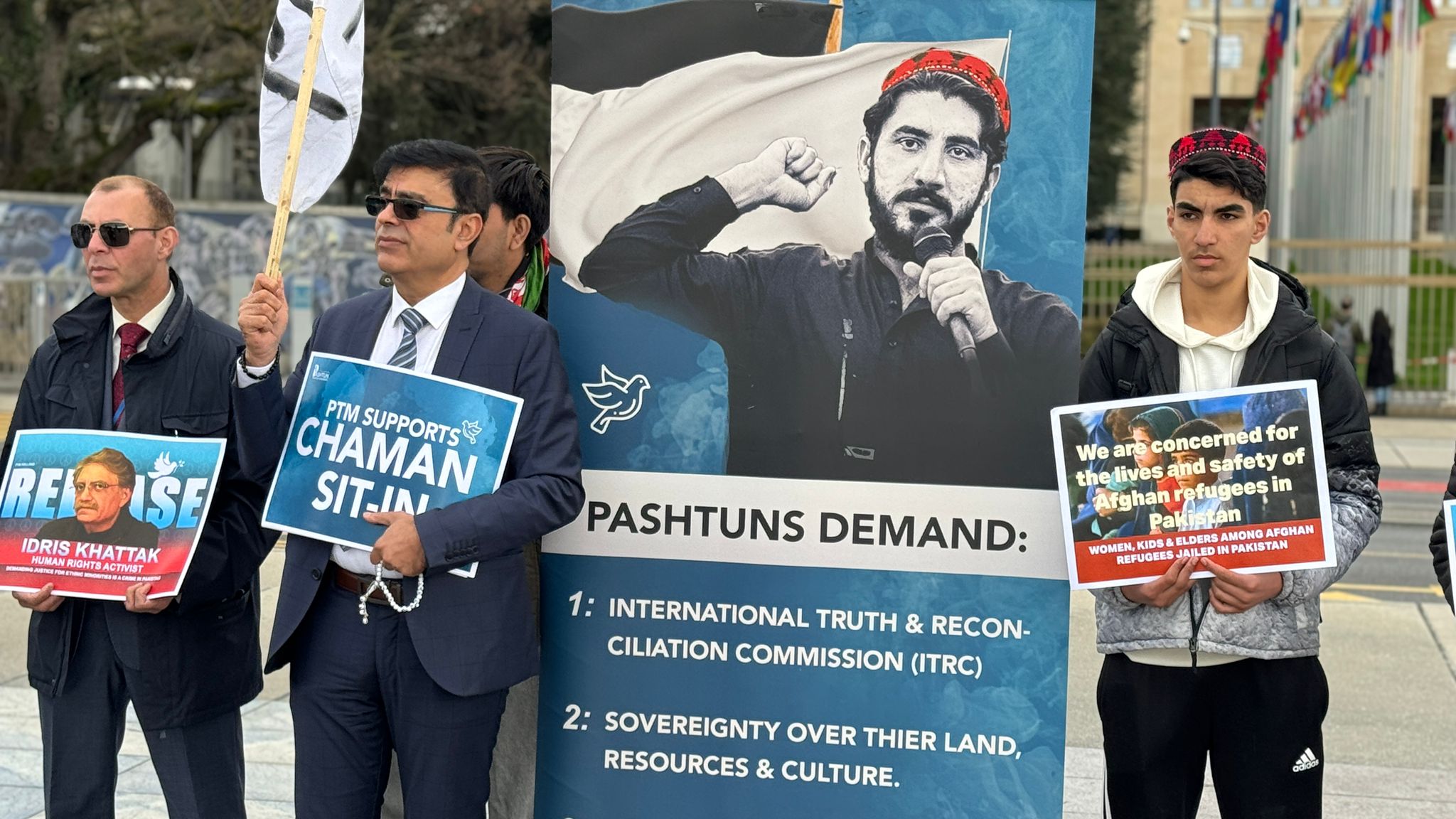
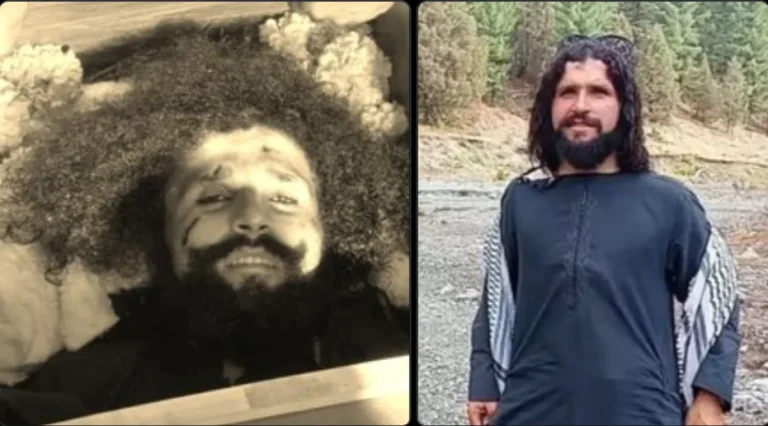
The latest campaign surrounding the reported disappearance of Farid Afridi from Peshawar must be viewed with caution, not emotion. In Pakistan’s security environment, where terrorism, cross-border militancy, ethnic politics and information warfare overlap, no serious observer should accept a viral claim as settled truth simply because it is amplified with hashtags, emotional language and appeals to foreign audiences. PTM-linked accounts and supporters have framed Afridi’s alleged disappearance as another example of state repression, while related posts have described him as a peaceful activist and demanded his recovery. That claim, like every serious allegation, deserves lawful inquiry. But it does not deserve blind acceptance, especially when it is immediately packaged as international propaganda before facts are established. Recent reports show that similar PTM disappearance claims have already become politically charged, with government officials denying police custody in some cases while PTM figures insist activists were abducted.
The first problem with PTM’s narrative is its speed. Before any transparent investigation, before police, courts or provincial authorities can establish a record, the charge is pushed as proof of “state thuggery.” This is not human rights advocacy in its responsible form; it is political prosecution through social media. A serious rights movement would demand production before court, registration of a case, preservation of CCTV footage, and accountability under law. Instead, the pattern is often to internationalize the allegation instantly, turning Pakistan’s internal legal and security challenges into material for hostile diplomatic consumption. That approach does not protect citizens.
It poisons the process by assuming guilt before evidence is tested
This matters because Pakistan is not operating in a normal security landscape. Khyber Pakhtunkhwa and the former tribal areas have paid a terrible price for terrorism. Police officers, tribal elders, soldiers, teachers, health workers and ordinary Pashtun families have been targeted by militant networks for years. Any political movement claiming to speak for Pashtuns must show equal moral outrage when terrorists murder Pashtuns, destroy schools, extort traders or intimidate local communities. Selective anger weakens the credibility of PTM’s claim to be a universal rights platform. A movement that speaks loudly against the state but softly against armed groups creates the impression that its outrage is not humanitarian but strategic.
The second problem is the refusal to distinguish between accountability and delegitimization. Security forces, like all state institutions, must remain answerable to the Constitution. Any detention outside the law should be investigated. Any citizen taken into custody must be produced before the proper forum. But that principle does not give political groups a free hand to malign the entire security apparatus as criminal. Pakistan’s military, police and intelligence institutions are not abstractions; they are staffed by citizens, many of them Pashtuns themselves, who have fought and died against terrorist violence.
To smear them collectively is not dissent. It is reckless political sabotage
The federal government’s proscription of PTM under anti-terrorism law in October 2024, citing threats to peace and security, is also part of the context. The decision was controversial and criticized by rights organizations, but it remains a legal and political fact that PTM’s activities are viewed by the state through a national security lens. That does not automatically prove every accusation against PTM. Nor does it automatically disprove every complaint PTM raises. But it does mean that the movement’s messaging cannot be assessed as innocent activism alone. Its campaigns operate in a charged environment where narratives can inflame ethnic distrust, weaken counter-terrorism operations and provide propaganda oxygen to Pakistan’s adversaries.
The most troubling feature of this episode is the attempt to convert uncertainty into certainty. The public does not yet have verified evidence proving what happened to Farid Afridi. That uncertainty should lead to restraint. Instead, PTM’s online ecosystem appears determined to turn the case into a ready-made indictment of the state. This is the familiar logic of propaganda: first declare the conclusion, then treat every unanswered question as confirmation. Such tactics are dangerous because they make truth secondary to mobilization.
Once a claim has been absorbed by international activists, foreign politicians and anti-Pakistan media circles, later corrections rarely matter
Pakistan should not respond to such campaigns with silence alone. Silence leaves space for rumor. The state must act within law, communicate clearly and ensure that any missing citizen is traced through proper channels. If Afridi is in lawful custody, he should be produced according to law. If he has been taken by unknown persons, the authorities must investigate. If the allegation is false or politically manufactured, that too must be exposed through evidence. The answer to propaganda is not counter-slogan; it is procedure, documentation and public confidence.
PTM’s supporters should also answer a basic question: are they seeking justice, or are they seeking confrontation? Justice requires facts, due process and consistency. Confrontation requires only outrage. When every security action is framed as oppression, every institution as illegitimate, and every disappearance claim as pre-proven state guilt, the result is not reform. It is destabilization. Pakistan cannot permit any group, however emotionally persuasive its language, to place itself above the law or weaponize human rights vocabulary to shield questionable networks from scrutiny.
The Farid Afridi case should therefore be handled firmly and lawfully. The state must investigate, but it must not surrender the narrative battlefield to theatrical politics. Pashtuns deserve peace, dignity, jobs, education, security and constitutional rights. They do not deserve to be used as raw material for ethnic polarization. A responsible politics would protect Pashtun lives from both terrorism and unlawful abuse. PTM’s latest campaign, however, appears less interested in balanced justice than in manufacturing another spectacle against Pakistan. That spectacle should be challenged with facts, law and national resolve.

