
Russian Reiterated Afghanistan Remains Hub of Terrorism and Narcotics Threats
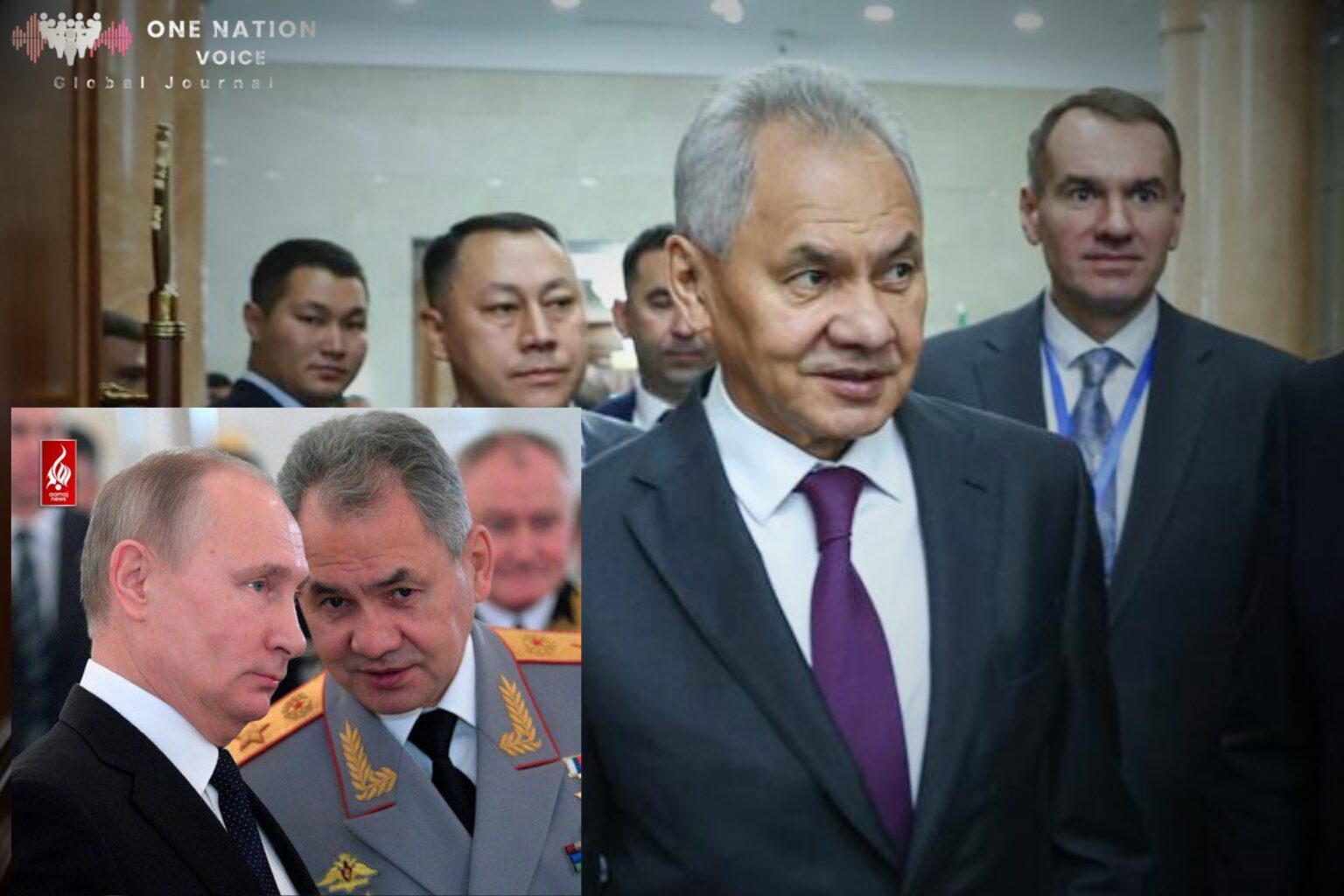
When Sergei Shoigu, Secretary of Russia’s Security Council, addressed the 21st meeting of SCO security chiefs, his statement reaffirmed a growing concern that Afghanistan remains a major hub of terrorism and narcotics trafficking. According to his remarks, between 18000 and 23000 militants from more than 20 terrorist organizations are still active inside Afghanistan. Whether interpreted as strategic messaging or intelligence assessment, the statement reflects a broader and persistent concern shared by multiple international monitoring bodies.
The significance of this claim is not only in the numbers but in what it represents. More than four years after the Taliban returned to power in August 2021, Afghanistan continues to function as an unstable security environment where governance remains incomplete and militant networks retain operational capacity.
Despite reduced global attention, the country remains deeply embedded in regional security calculations.
Afghanistan and the Growing Intelligence Gap
One of the most critical issues today is the shrinking visibility into what is happening inside Afghanistan. With many international missions withdrawn or scaled down, independent verification of security conditions has become increasingly difficult. The Soufan Center in 2025 described this as an emerging intelligence blind spot, warning that limited access to reliable ground data has made threat assessment more uncertain.
This lack of clarity allows competing narratives to shape perceptions. However, recurring reports from the United Nations, regional security forums, and intelligence assessments consistently point toward the continued presence of organized militant groups operating across different parts of the country.
Islamic State Khorasan Province Remains Active
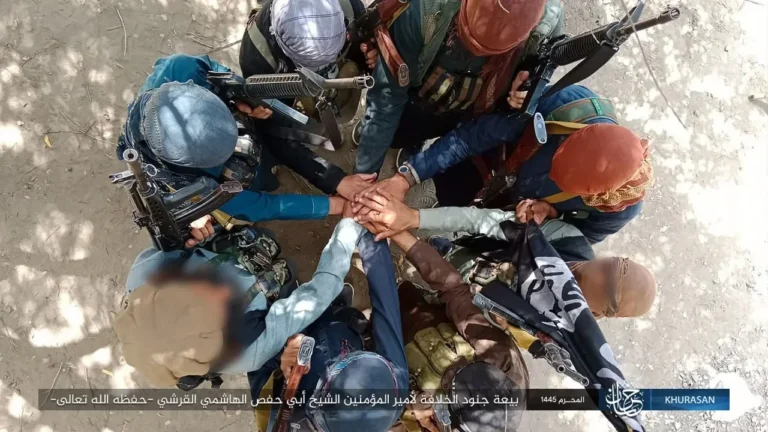
Among the most serious threats is the continued presence of Islamic State Khorasan Province (ISKP). Shoigu estimated its strength at around 3000 fighters, while United Nations monitoring reports suggest figures closer to 2000 active members. Even at the lower estimate, ISKP remains one of the most resilient regional branches of the Islamic State network.
The group has demonstrated an ability to adapt rather than diminish. Its operations are no longer limited to territorial control but extend into digital recruitment and propaganda networks. ISKP produces content in multiple languages including Pashto, Dari, Arabic, Uzbek, Tajik, Turkish, Hindi, Russian, English, and Uyghur, enabling it to reach audiences across Central and South Asia as well as diaspora communities.
It also maintains an active presence across Telegram, Facebook, TikTok, and encrypted platforms, reflecting a shift toward decentralized online radicalization. This evolution makes the group more difficult to track and more resilient to territorial pressure.
Reports also indicate the possible movement of experienced fighters from other conflict zones into Afghanistan. This includes individuals previously active in Syria, raising concerns that Afghanistan may be functioning as a reaggregation point for transnational militant networks.
Narcotics Economy: From Opium to Synthetic Drugs
Alongside terrorism concerns, Afghanistan’s role in the global narcotics trade remains central to regional instability. The Taliban’s 2022 ban on opium cultivation initially produced significant reductions. United Nations data released in 2025 showed a decline from over 200000 hectares of cultivation before the ban to approximately 10000 hectares, with a sharp drop in overall production.
However, this reduction has not eliminated the narcotics economy. Instead, it has triggered a structural shift toward synthetic drug production, particularly methamphetamine. Unlike opium cultivation, synthetic drug production is harder to detect, easier to relocate, and more integrated into covert supply chains.
Seizures reported in 2025 indicate that large quantities of methamphetamine are still being trafficked through regional routes. This suggests that while traditional cultivation has decreased, illicit production networks have adapted rather than disappeared.
At the same time, approximately four million people remain economically dependent on narcotics related activities. This highlights a deeper structural issue: the absence of viable economic alternatives in rural areas. Without sustainable livelihoods, shifts in drug production methods are likely to continue rather than reverse.
Security Governance and Internal Fragmentation
The Taliban administration has repeatedly denied the presence of organized foreign militant groups operating from Afghan territory. However, ongoing counter operations against ISKP indicate that militant activity remains a persistent internal challenge.
Reports of internal defections and localized infiltration within security structures further complicate the situation. These developments suggest that Afghanistan’s security environment is not fully consolidated, and that control over territory and personnel remains uneven.
This fragmentation contributes to the persistence of militant safe spaces, even in areas under nominal government control.
Russia’s Strategic Contradiction
Russia’s position on Afghanistan reflects a notable strategic contradiction. On one hand, Moscow has formally recognized the Taliban government, aiming to establish diplomatic channels and secure regional cooperation. On the other hand, Russian officials continue to emphasize that Afghanistan remains a center of terrorism and narcotics threats affecting regional stability.
This dual approach highlights the complexity of engaging with Afghanistan in its current form. Diplomatic recognition alone has not translated into full security cooperation or measurable stabilization outcomes. Instead, engagement has produced limited leverage over ground realities.
The Taliban’s denial of foreign militant presence further adds to this disconnect, creating a situation where diplomatic engagement and security assessments often diverge.
A Broader Regional Security Challenge
The core issue is not limited to Afghanistan alone, but its wider regional implications. The combination of militant networks, drug trafficking routes, and weak economic infrastructure creates a system that extends beyond national borders.
Despite years of international intervention and subsequent withdrawal, no comprehensive regional framework has emerged to fully address these interconnected challenges. Existing platforms remain largely consultative rather than operational.
As a result, Afghanistan continues to function as a transit and transformation zone for both extremist networks and illicit economies.
Conclusion: An Unresolved Security Landscape
Russia’s reiteration that Afghanistan remains a hub of terrorism and narcotics reflects a broader consensus among many regional and international observers. While figures may vary, the underlying concerns remain consistent: persistent militant activity, evolving drug production networks, and weak economic recovery mechanisms.
Afghanistan today is not defined by a single crisis but by overlapping and evolving systems of instability. Terrorism and narcotics are not separate issues but interconnected components of the same structural environment.
The absence of a coordinated international strategy has left these challenges in a state of persistence rather than resolution. As a result, Afghanistan remains an unfinished security file, where risks are managed intermittently but never fully resolved.
Until a comprehensive approach emerges that addresses both security fragmentation and economic dependency, Afghanistan is likely to remain a focal point of regional instability rather than a stabilized state.
Disclaimer:
The views and opinions expressed in this article are exclusively those of the author and do not reflect the official stance, policies, or perspectives of the Platform.

