
Afghanistan’s Opaque Financial System and the Cost to Pakistan
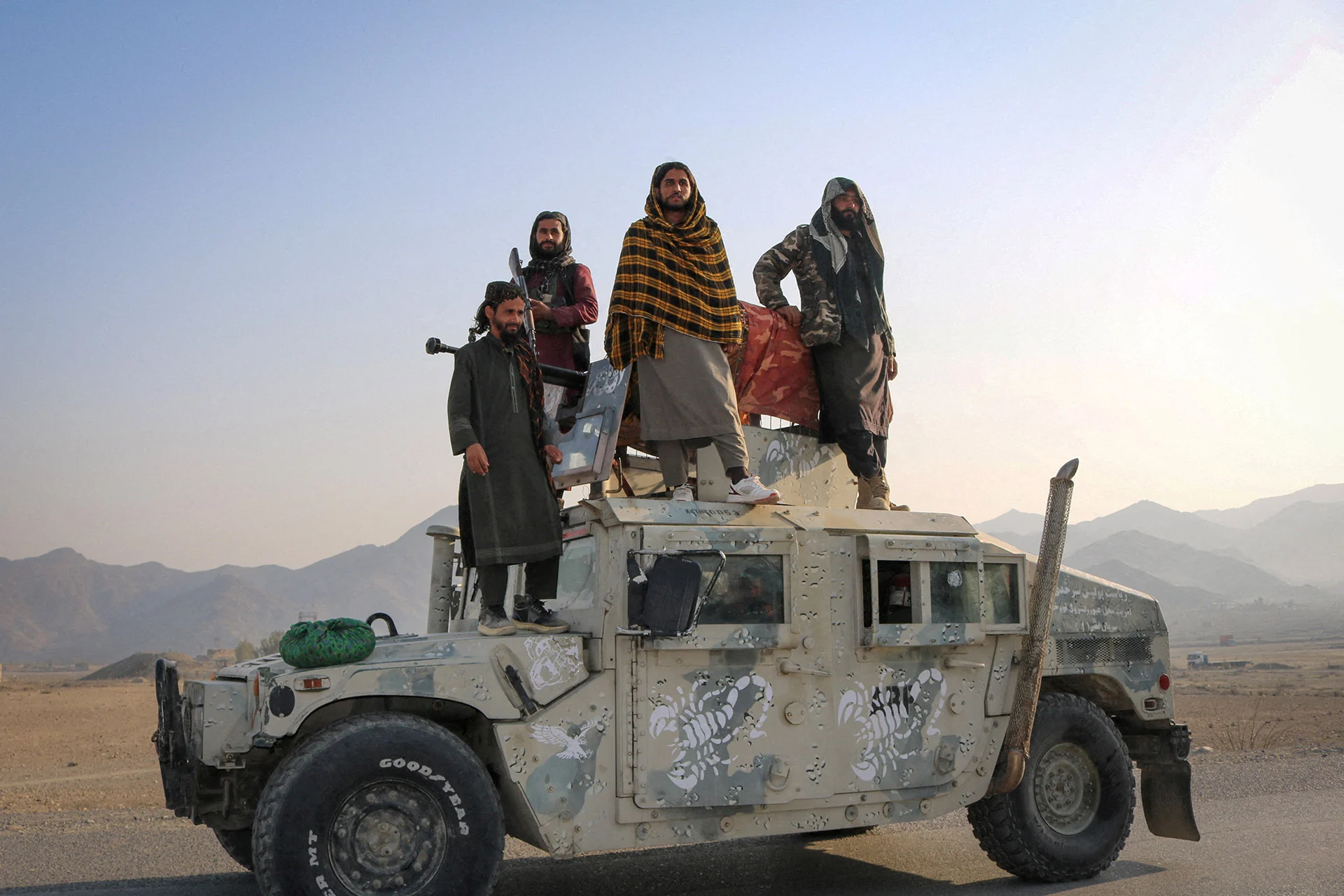
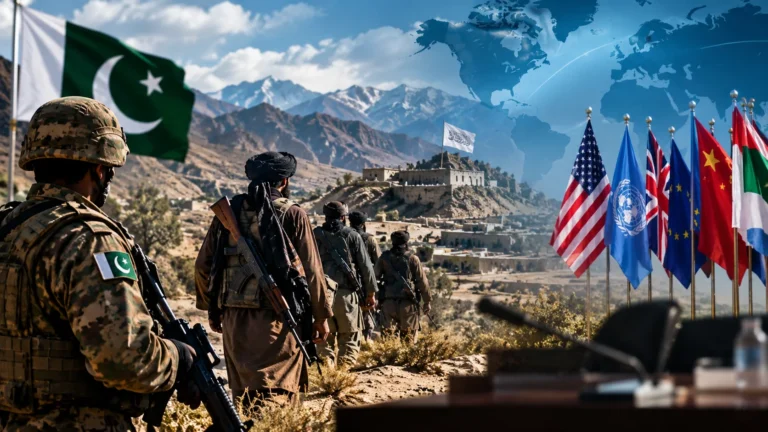
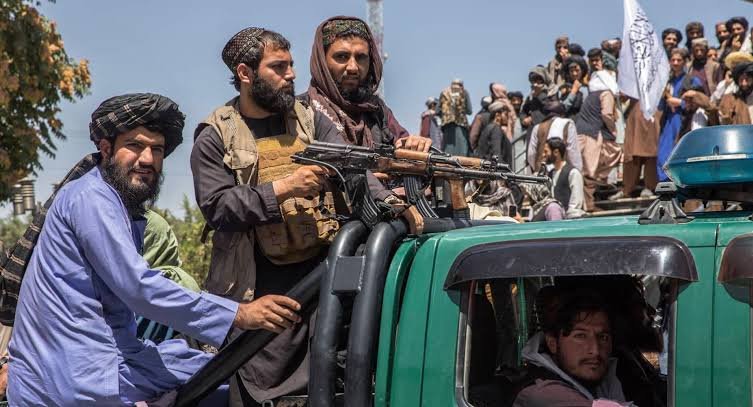
The Taliban present themselves as guardians of Afghan sovereignty, providers of stability, and victims of an unfair international campaign. That narrative weakens when financial and security evidence is examined together. Afghanistan is not simply a poor country receiving emergency assistance. It is an opaque political economy in which international money enters a Taliban-controlled system while militant organisations enjoy sanctuary and operational support. The issue is not whether ordinary Afghans deserve assistance; they unquestionably do, but whether donors can prevent humanitarian relief from becoming a source of political, economic, and strategic advantage for the regime.
The post-2021 cash mechanism illustrates the problem. At its height, approximately $80 million in physical currency was reportedly flown into Kabul every 10 to 14 days, commonly described as about $40 million per week. The Special Inspector General for Afghanistan Reconstruction, or SIGAR, found that the United Nations transported billions of dollars because Afghanistan was largely disconnected from normal international banking channels. The shipments were intended for UN agencies and approved humanitarian partners, not as direct payments to the Taliban.
Yet SIGAR concluded that the inflows stabilised the economy while providing the Taliban with direct and indirect benefits, including revenue generation, regime stability and access to difficult-to-trace US currency
It would be inaccurate to claim that every humanitarian dollar is handed to a Taliban commander. The danger lies in fungibility and control. When foreign money pays for food, health services, and relief, the Taliban are relieved of expenditures that a governing authority would otherwise bear. When cash supports liquidity and the currency, it strengthens the economy from which the regime collects taxes, customs duties, and fees. Aid agencies must also obtain permissions, use local vendors, and operate under Taliban regulations, creating opportunities for pressure and extraction. SIGAR has documented payments by US-funded implementing partners to Taliban authorities and subsequently reported allegations of coercion, extortion, interference and diversion.
The Taliban’s defenders dismiss such concerns as propaganda. The United Nations’ own counter-terrorism reporting makes that position untenable. The UN Security Council Monitoring Team stated in December 2025 that Taliban claims that no terrorist groups operate in or from Afghanistan were “not credible.” It reported more than 20 international and regional terrorist organisations, including Al-Qaeda and Tehrik-e-Taliban Pakistan. Most significantly for Pakistan, it concluded that the TTP had conducted high-profile attacks from Afghan soil and that continued Taliban harbouring of its leadership, combined with facilitation of its operations, had brought bilateral relations to a critical point.
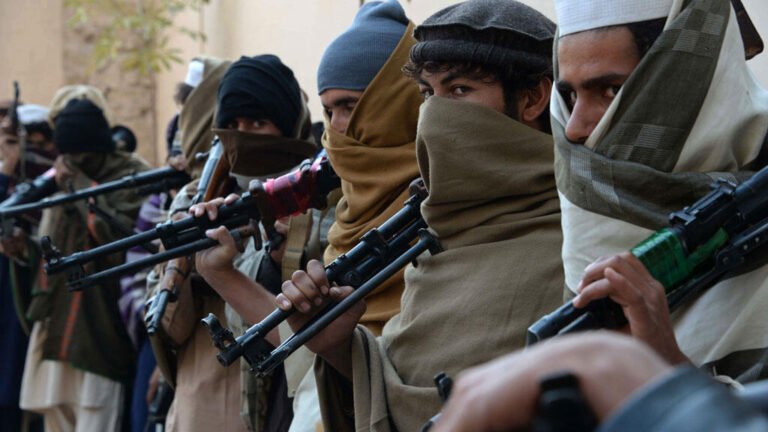
The scale of this infrastructure is not speculative. The Monitoring Team estimated the TTP’s strength at roughly 6,000 fighters across Khost, Kunar, Nangarhar, Paktika and Paktiya. It reported that the Taliban continued providing the organisation with logistical and operational space and financial support. It also noted that the TTP leader’s family reportedly received a monthly payment of three million afghanis. The same assessment said Al-Qaeda continued to receive Taliban protection and support, with senior commanders reportedly living in Kabul.
Al-Qaeda provided training, advice, and logistical assistance to other groups, while Al-Qaeda in the Indian Subcontinent had increasingly blended with the TTP and provided training focused on Pakistan
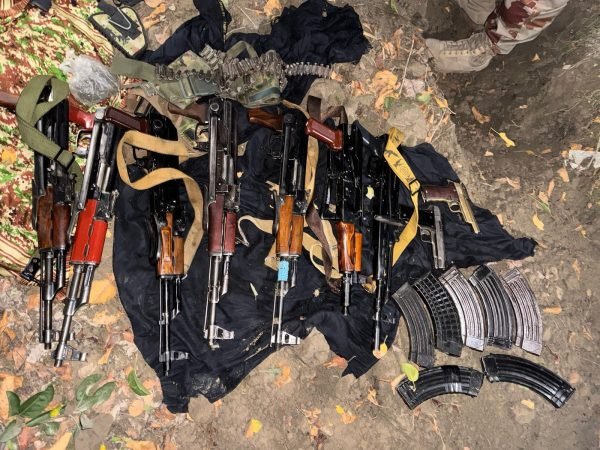
The consequences are measured in Pakistani lives. According to the Monitoring Team, some estimates indicated that the TTP carried out more than 600 attacks in Pakistan during 2025. Many involved coordinated teams, vehicle-borne explosives, improvised explosive devices, and suicide attackers. This was not the conduct of scattered fugitives surviving in isolated caves. It reflected an organised militant ecosystem with leadership, recruitment, training, financing, mobility, and protected operating space.
The humanitarian debate cannot remain separated from the terrorism debate. The reports do not prove that a particular US banknote financed a particular TTP bombing. They establish something broader: international resources have supported an economic system that benefits the Taliban while the Taliban preserve relationships with organisations attacking Pakistan. By allowing donors to carry part of the social and economic burden, Kabul gains greater freedom to direct domestic revenues, personnel, and infrastructure according to its priorities.
Indirect support can therefore be strategically important even when direct financial tracing remains impossible
The answer is not to abandon the Afghan population. Collective punishment would be immoral and counterproductive. Assistance should continue through redesigned mechanisms: digital or voucher-based delivery where feasible, independently verified beneficiaries, third-country financial channels, disclosure of taxes and fees, contractor audits, exclusion of Taliban-linked vendors and automatic suspension when diversion is detected. Political engagement should also be tied to measurable counter-terrorism benchmarks, including closing camps and safe houses, restricting TTP financing and movement, and arresting or expelling listed militants.
The Taliban cannot demand legitimacy while offering sanctuary to those who export violence. Nor can they use the suffering of ordinary Afghans as a shield against scrutiny. Humanitarian compassion must remain firm, but it must no longer be financially blind. Without transparency, accountability, and enforceable counter-terrorism conditions, the international community risks sustaining a system in which relief intended for the vulnerable strengthens rulers who enable the violent.

Author

His academic interests lie in international security, geopolitical dynamics, and conflict resolution, with a particular focus on Europe. He has contributed to various research forums and academic discussions related to global strategic affairs, and his work often explores the intersection of policy, defence strategy, and regional stability.
