

Mangi Dam Attack Exposes the Khawarij’s War on Peace

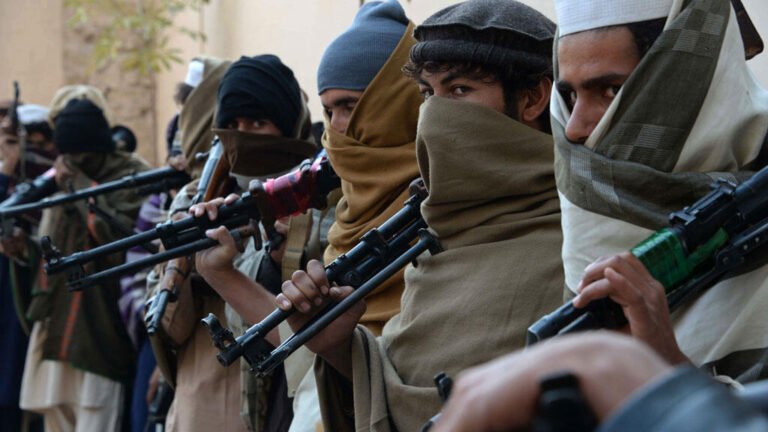
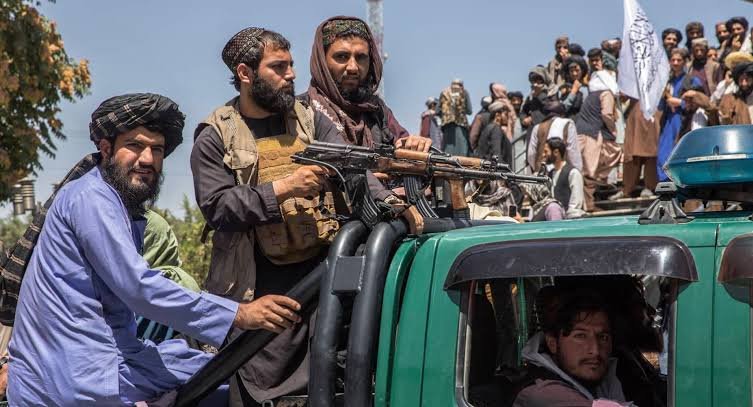
The attack on the Mangi Dam police post in Ziarat was not merely an assault on uniformed personnel; it was an attack on the social contract that allows ordinary people to live and work without fear. The policemen stationed there were local officers performing the basic duties of the state: guarding public infrastructure, protecting nearby communities, and preserving order. According to official accounts, nine policemen, including two station house officers, were killed during the initial assault, while other abducted officers were subsequently murdered. Their sacrifice exposes the real character of militants who employ religious slogans but direct their weapons against Muslims, public servants, and local peace.
The Khawarij’s method is based on terror rather than principle. They seek to create the impression that the state is absent, its institutions are weak, and its personnel can be intimidated into abandoning remote communities. By attacking a police post near critical water infrastructure, they attempted to frighten residents, disrupt normal life, and undermine public confidence. Yet the attack also revealed their fear of functioning institutions.
Police stations and patrols obstruct terrorist movement, protect civilians and deny armed groups the ungoverned spaces they require. Targeting police is therefore an admission that lawful authority remains the greatest obstacle to their agenda
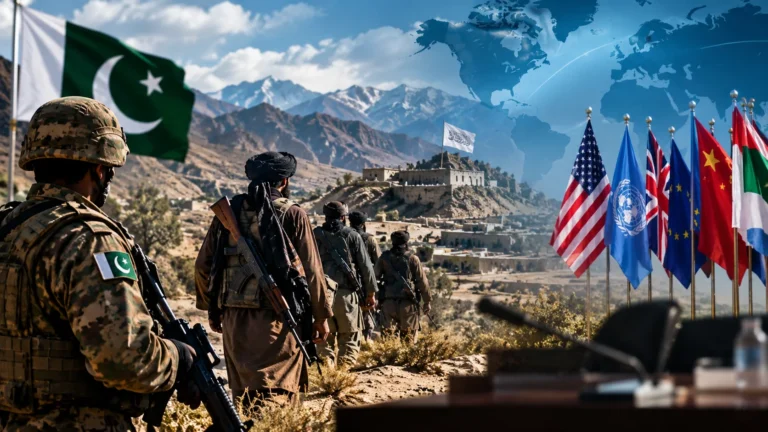
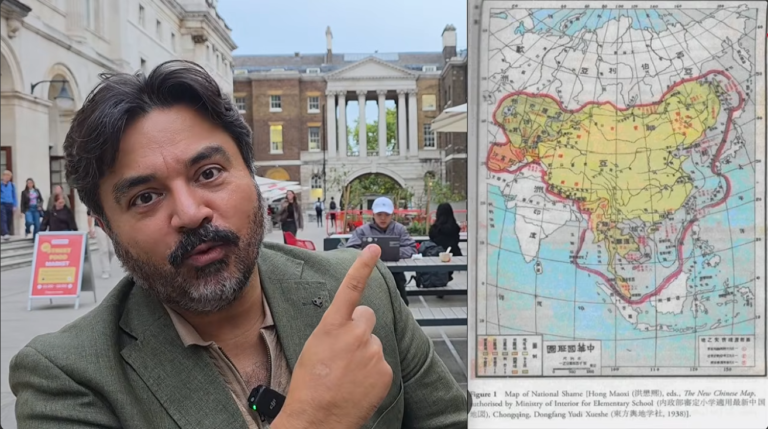
Pakistani officials have stated that the recent violence reflects coordination between Tehreek-i-Taliban Pakistan-linked militants, Baloch separatist networks and external facilitators operating from Afghan territory, with India accused of sponsorship and direction. The military spokesperson described the Mangi Dam assault as part of a wider operational sequence rather than an isolated incident. India and the Afghan authorities have rejected previous Pakistani accusations, but Islamabad’s claims deserve serious international scrutiny, particularly where financing, communications, cross-border movement and sanctuary can be independently investigated. External actors that exploit violent proxies are not advancing Baloch rights; they are sacrificing Baloch policemen, civilians, and development for geopolitical pressure.
The victims of Mangi Dam must be remembered first as sons of Balochistan. Their martyrdom demolishes the propaganda that terrorism represents local interests. The men who died were protecting their own land and communities. When militants murder local officers, abduct personnel and terrorise families, they reveal their hostility toward the population whose grievances they claim to champion. Residents staged protests and blocked major roads after the attack, demonstrating anger over the bloodshed and demanding security and justice. Such mobilisation shows that communities recognise terrorists not as liberators, but as enemies of social stability and human dignity.
The religious claims used by the Khawarij are equally fraudulent. Islam does not permit private groups to declare war, murder public servants, abduct people, or spread fear among peaceful populations. Pakistan’s Paigham-e-Pakistan consensus decree, endorsed by more than 1,800 scholars from different schools of thought, explicitly declares armed rebellion against the state, attacks on law-enforcement personnel and terrorism in the name of Sharia to be forbidden. It categorises such violence as Fasad fi al-Ard, or corruption on earth. Selective quotation of scripture does not transform criminal violence into jihad.
It profanes religion, misleads vulnerable youth and supplies Islamophobes with material to falsely associate Islam with indiscriminate bloodshed
This ideological fraud has consequences beyond Pakistan. Every attack accompanied by distorted religious rhetoric damages Muslim communities worldwide. Counterterrorism must therefore operate on two fronts: armed networks must be dismantled, while theological manipulation must be challenged by scholars, teachers, families, and religious institutions. The state should amplify credible religious guidance, expose recruitment narratives and ensure that communities understand that loyalty to peace, law and human life is fully consistent with Islamic teaching.
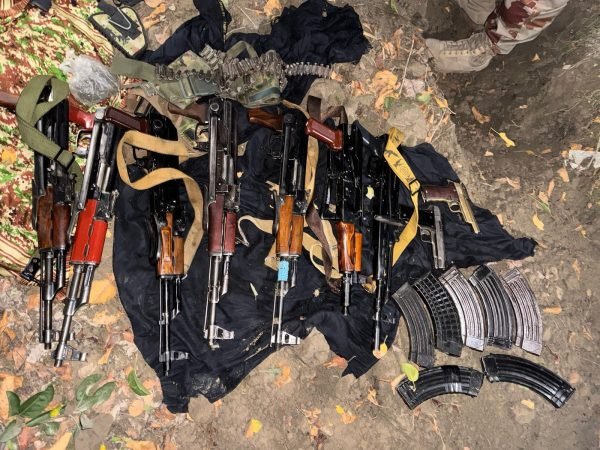
The response to Mangi Dam demonstrated institutional resilience. Operation Shaban brought together the Pakistan Army, Frontier Corps, and Balochistan Police in coordinated ground, air, and intelligence-based actions. On July 10, provincial authorities reported that 75 terrorists had been eliminated in Operation Shaban and related operations since July 5; subsequent state-media reporting placed the overall figure at 102 by July 12. The attack did not paralyse the state. It triggered a sustained campaign against militant hideouts, facilitators, and operational networks. The message is clear: violence may inflict pain, but it will not secure territory, political legitimacy, or immunity from justice.
Military action, however, must remain connected to intelligence, lawful accountability, public protection, and development. Terrorists thrive where fear silences witnesses and communities feel abandoned. The state must protect informants, support martyrs’ families, strengthen local policing, accelerate development and ensure that counterterrorism operations distinguish rigorously between citizens and combatants.
This will deny militants both physical sanctuary and propaganda opportunities
The continuing willingness of young Pakistanis to serve in the police, armed forces and other law-enforcement institutions also disproves the terrorists’ claim that the state has lost public legitimacy. Every new recruit represents confidence in Pakistan’s institutions and a refusal to surrender public space to armed groups. The resilience displayed by the Balochistan Police after the Mangi Dam tragedy demonstrates that martyrdom has strengthened rather than weakened institutional resolve. The force continues to stand between peaceful communities and those who seek to govern through intimidation, kidnapping, and murder.
Mangi Dam should be remembered not as a symbol of militant power, but as proof of militant failure. The attackers murdered brave policemen, but they could not break the resolve of the force, frighten the nation into submission, or establish control over Balochistan. The martyrs’ courage, the public’s rejection of terrorism and the security forces’ decisive response affirm the same conclusion: peace will endure, the state’s writ will prevail and those who spread Fasad fi al-Ard will face justice.

