
The Reality of the Ziarat Terror Attack
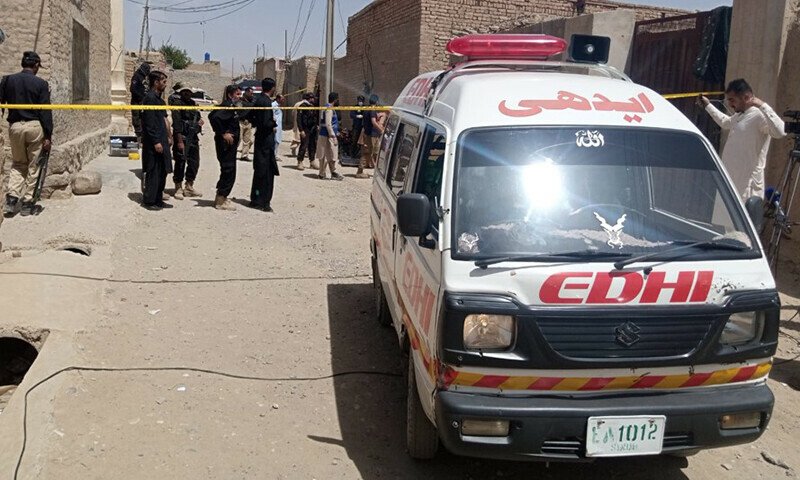
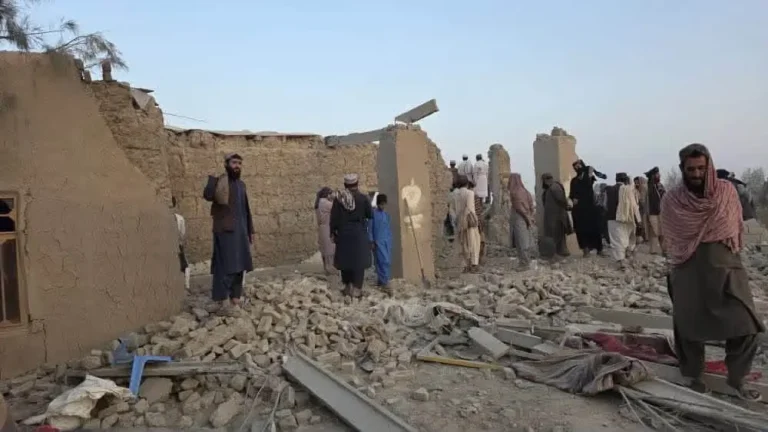
The terrorist assault in Ziarat is not merely another entry in Pakistan’s record of violence; it is a test of whether public debate will remain anchored in evidence or be captured by political narratives. On July 6, armed militants attacked a police post in the Mangi Dam area. Initial reports confirmed the deaths of nine police officials, including two station house officers. A subsequent military briefing placed the wider toll from three attacks in Balochistan since July 6 at 42 police and army personnel and reported that 54 militants had been killed in security operations. The immediate victims were Pakistani law-enforcement personnel serving their own communities, not an alien force confronting the local population.
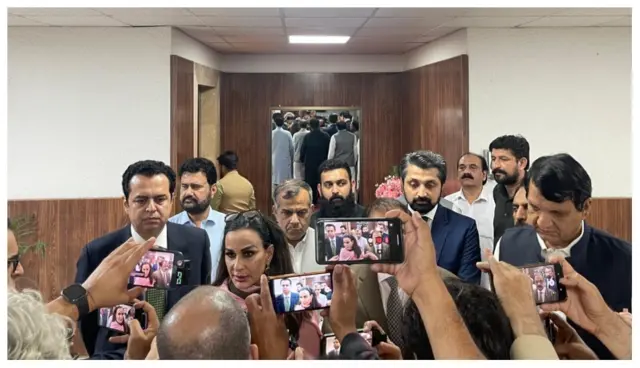
Against this background, any political movement seeking to convert grief into a blanket indictment of the state carries a serious moral burden. The Pashtun Tahafuz Movement has built its identity around civil liberties, accountability and the protection of Pashtun communities. Those concerns cannot simply be dismissed. Yet civil-rights advocacy loses credibility when criticism of the state is automatic while condemnation of armed groups is muted or absent.
A movement claiming to speak for vulnerable citizens must first condemn those who raid police posts, murder local officers, abduct personnel and terrorise communities
The central distortion in such an anti-state narrative is the attempt to portray local police and security personnel as outsiders. The officers killed in Ziarat were sons of the same soil they were defending. Their families share the language, customs, hardships and security anxieties of the region. When militants attack them, they are not striking an abstract institution; they are attacking Balochistan’s social fabric. To erase the local identity of the victims and treat their killers as secondary to political grievances is not solidarity. It is narrative manipulation.
There is also a profound difference between demanding accountability and redirecting responsibility. Citizens have every right to ask whether intelligence failures occurred, whether threatened police posts were adequately reinforced and whether the official response will protect civilians. Such questions strengthen governance. But protests become ethically suspect when their rhetoric shifts primary blame from the perpetrators to the institutions trying to recover abducted personnel and restore order. Accountability should strengthen counterterrorism, not obscure the identity of those who initiated the violence.
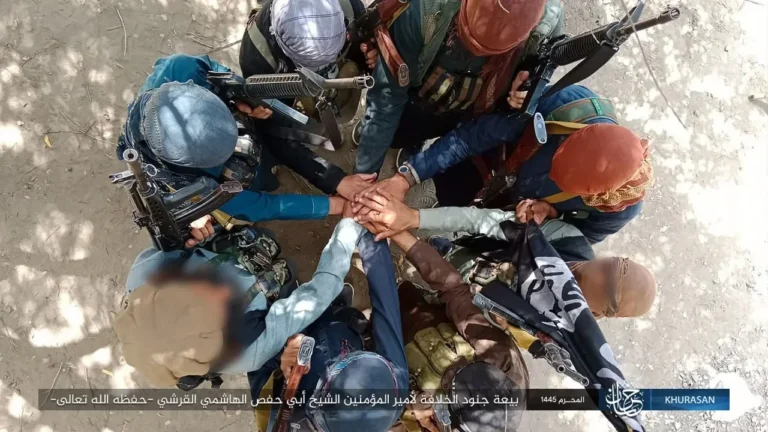
Selective outrage is especially damaging in a province where civilians, police officers, soldiers, labourers, passengers and public servants have repeatedly been targeted. A principled human-rights position must be universal. It cannot mourn only those deaths that support a preferred political thesis. Silence over killings by the Tehreek-i-Taliban Pakistan, the Balochistan Liberation Army or other militant networks creates the impression that some victims matter less because acknowledging them would complicate an anti-state narrative. That double standard reduces suffering to political currency.
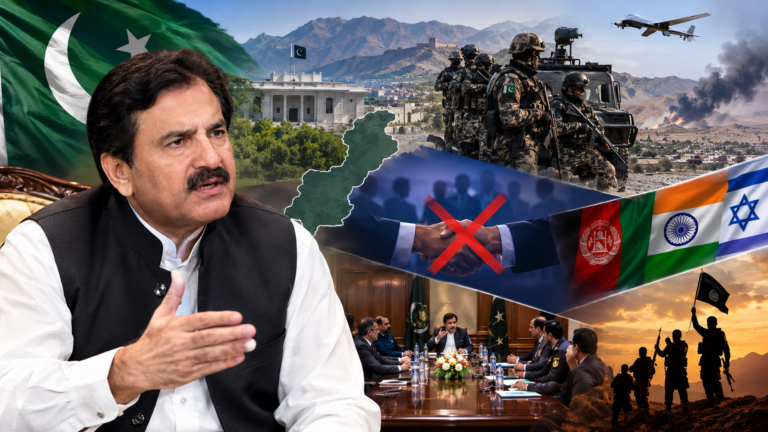
Claims concerning cross-border sanctuaries and foreign sponsorship must be supported by evidence rather than slogans. Pakistan has repeatedly alleged that militant networks exploit space in Afghanistan and receive external assistance, while Kabul and New Delhi deny various Pakistani accusations. Responsible analysis must distinguish confirmed facts from official claims. Nevertheless, no serious discussion can ignore the regional dimension: porous borders, weapons flows, financing, online propaganda and cooperation among violent actors intensify Pakistan’s security challenge.
Presenting terrorism solely as a reaction to domestic policy is analytically shallow and strategically dangerous
The sacrifices of law-enforcement agencies must be acknowledged without placing them beyond scrutiny. Police and soldiers operating in remote terrain face ambushes, abductions, explosives and coordinated assaults. Political rhetoric that labels every counterterrorism operation as repression before facts are established can weaken public trust and create informational space in which militant propaganda thrives. The responsible position is neither unquestioning obedience nor reflexive hostility, but evidence-based judgment.
Pakistan’s sovereign right to defend its people is beyond dispute, but it must be exercised within the Constitution, domestic law and applicable human-rights standards. Operations should be intelligence-led, proportionate and designed to minimise civilian harm. Detainees must be treated lawfully, credible allegations of abuse investigated, and affected communities kept informed. A lawful state distinguishes itself from terrorists precisely by accepting rules, oversight and accountability.
The lesson of Ziarat is therefore larger than one protest. National unity cannot be built by silencing legitimate grievances, but neither can it survive narratives that obscure terrorist culpability. PTM and every political or civil-society organisation should unequivocally condemn the murder and abduction of police personnel, reject armed groups and pursue grievances through constitutional means. The state should communicate facts transparently, protect peaceful dissent and act decisively against violence.
At a moment of grief, Pakistan needs moral clarity. The slain officers must not become props in an anti-state campaign, and the terrorists who attacked them must not disappear behind rhetorical fog. Civil rights and national security are not mutually exclusive. Both require fidelity to truth, equal compassion for victims and an uncompromising rejection of violence.

