

Madrassah Curriculum Reform
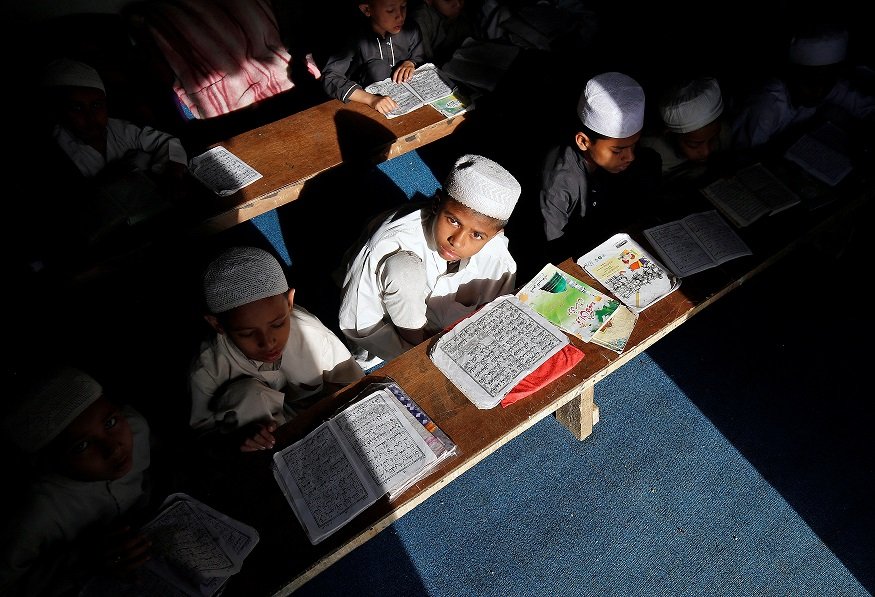
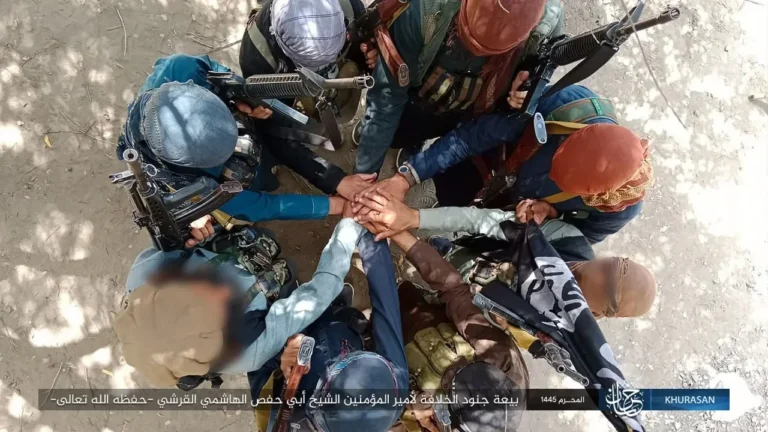
Pakistan’s madaris occupy an honoured place in the country’s religious, educational and social history. For generations, they have preserved the Quran, transmitted the Prophetic tradition, trained scholars, and provided education, shelter, and community support to millions of students. Any serious discussion of madrassah reform must therefore begin by acknowledging their contribution rather than portraying religious education as a security problem. The real challenge is not the madrassah institution itself, but the attempts of extremist networks to misuse religious language, selective interpretation, and theological distortion to promote takfir, sectarian isolation, rebellion, and unlawful violence. Curriculum reform should consequently be understood not as the secularization of madaris, but as the protection of authentic Islamic scholarship from ideological exploitation.
The intellectual foundation of such reform lies in the Quranic description of Muslims as an “Ummatan Wasatan,” or a balanced community, in Surah Al-Baqarah 2:143. Balance in Islam does not mean weakness, compromise, or the dilution of religious principles. It means combining faith with wisdom, justice with mercy, rights with responsibilities, and conviction with moral restraint. Extremist ideologies frequently present rigidity, hostility, and harshness as signs of superior piety. Yet the Islamic tradition repeatedly warns against ghuluw, or excess in religion. The Quran declares, “Do not exceed limits in your religion” in Surah An-Nisa 4:171, while the Prophet Muhammad ﷺ cautioned believers to beware of exaggeration in religious matters.
A reformed curriculum must enable students to identify excessive interpretations and understand that extremism destroys the very moral and social order that Shariah seeks to protect
This requires strengthening the teaching of usul al-fiqh, rather than merely expanding the quantity of religious material. Students must learn how Islamic rulings are derived, how textual evidence is weighed, and how apparently conflicting proofs are reconciled. They should study the causes of revelation, linguistic principles, legal maxims, historical context, and the objectives of Shariah, including the protection of life, religion, intellect, family, and property. Extremist recruiters often isolate individual verses or traditions from their legal and historical setting and convert them into political slogans. The Quranic command, “Do not pursue that of which you have no knowledge,” in Surah Al-Isra 17:36, offers a direct intellectual response to such manipulation. Scholarship demands evidence, competence, and humility; propaganda depends on emotional certainty without knowledge.
The question of jihad must also be addressed with theological clarity. Armed struggle cannot be declared by private organizations, self-appointed commanders, online ideologues, or clandestine recruiters. Classical Islamic jurisprudence placed decisions concerning war, peace, and public security under legitimate authority because the use of force affects the entire community. Pakistan’s national religious consensus has already rejected armed rebellion against the state and declared terrorism, suicide attacks and private militancy unlawful. Surah An-Nisa 4:59 instructs believers to obey Allah, the Messenger, and those entrusted with authority.
Madrassah students should therefore be taught that questions of force are governed by legitimate authority, binding ethics, treaty obligations, and public welfare, not by the political passions of terrorist groups
Equally important is the dismantling of takfir, the practice of declaring Muslims outside the fold of Islam. Takfir has become one of the most destructive instruments in extremist theology because it removes moral and religious restraints against violence. Once a group labels officials, soldiers, scholars, worshippers, or ordinary citizens as unbelievers, it becomes easier to justify murder, rebellion, and attacks on public institutions. The Quran warns believers in Surah An-Nisa 4:94 not to deny the faith of one who offers peace. The curriculum must teach the strict conditions, caution, and scholarly restraint historically associated with questions of belief and disbelief. Students should understand that theological disagreement cannot be reduced to excommunication and that accusations affecting a person’s faith, life and dignity require the highest level of evidence and judicial responsibility.
A balanced curriculum must also revive adab al-ikhtilaf, the ethics of disagreement. Islamic civilization developed through scholarly debate among jurists, theologians, and schools of thought. These disagreements did not automatically produce hatred or violence. Major scholars defended their positions while recognizing the learning and sincerity of others. Surah An-Nahl 16:125 commands believers to invite others with wisdom, good counsel, and the best manner of discussion. Comparative fiqh should therefore be taught respectfully, allowing students to understand the reasoning of different Sunni and Shia legal traditions without polemics.
Sectarian extremism thrives when students are taught that one narrow interpretation represents the whole of Islam and that every alternative view is betrayal
The Prophetic principle of ease should similarly inform religious instruction. The Prophet ﷺ taught that religion is easy and instructed his companions to facilitate matters rather than make them unnecessarily difficult. Extremist movements frequently weaponize hardship, fear, and coercion to control followers. They confuse harshness with seriousness and intimidation with moral authority. Madaris should instead teach mercy, facilitation, gradual reform, and public benefit as established elements of Islamic jurisprudence. Shariah is intended to guide human beings toward justice and moral discipline, not to create a permanent atmosphere of suspicion, punishment, and social coercion.
Reform must therefore preserve the central religious disciplines, Quranic studies, hadith sciences, Arabic, fiqh, theology and spiritual development, while integrating civic literacy, Pakistan Studies, constitutional responsibilities, digital ethics, comparative religion, communication skills and critical reasoning. These subjects need not compete with Islamic learning. They can help graduates apply religious knowledge responsibly in contemporary society. Digital literacy is particularly essential because extremist recruitment increasingly occurs through social media clips, anonymous channels, and decontextualized sermons. Students trained to assess sources, detect manipulation, and distinguish qualified scholarship from online propaganda will be less vulnerable to recruitment.
Pakistan needs madaris not as isolated institutions, but as active partners in peace, education and national cohesion. Their graduates can serve as imams, teachers, researchers, counselors, and community mediators capable of resolving disputes and guiding vulnerable young people. By teaching the sanctity of life, emphasized in Surah Al-Maidah 5:32, along with sincere counsel, mercy, and civic responsibility, madaris can deprive extremist groups of theological legitimacy. Curriculum reform grounded in balanced jurisprudence would not weaken Islamic identity. It would strengthen it by ensuring that religion remains a source of knowledge, character, justice, and social harmony rather than a language misappropriated by those seeking violence and disorder.

