Why Pakistan’s Presence at Ayatollah Khamenei’s Funeral Was Never About Partisanship
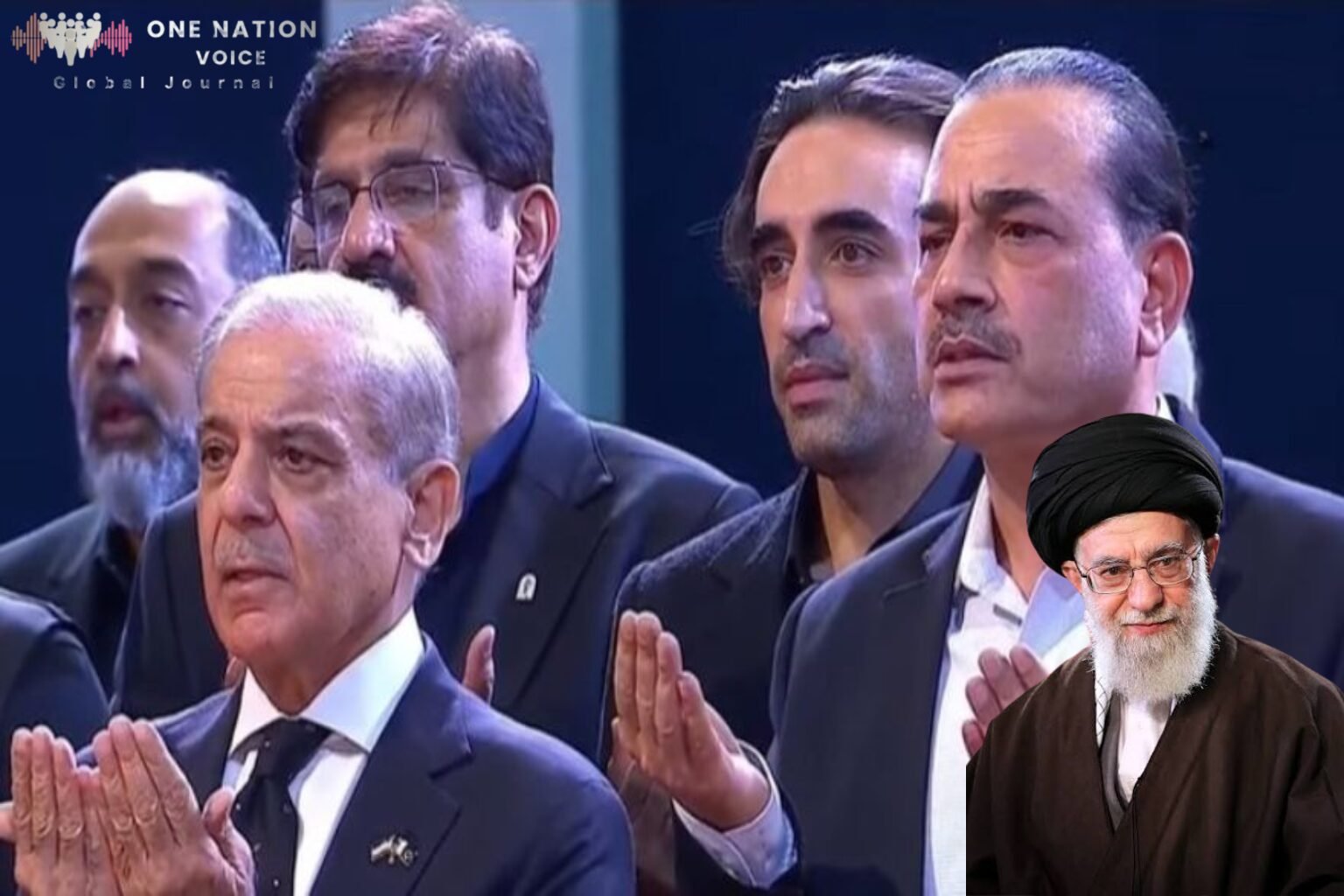
When Prime Minister Shehbaz Sharif landed in Tehran this week to personally lead Pakistan’s delegation to the state funeral of Ayatollah Ali Khamenei, a predictable chorus of critics rushed to frame the visit as evidence that Islamabad had abandoned its neutrality and quietly picked a side in the region’s most consequential conflict in decades. It is a lazy reading of a moment that called, above all, for humanity and it ignores the depth of history, faith, and geography that make Pakistan’s presence in Tehran not just understandable, but inevitable.
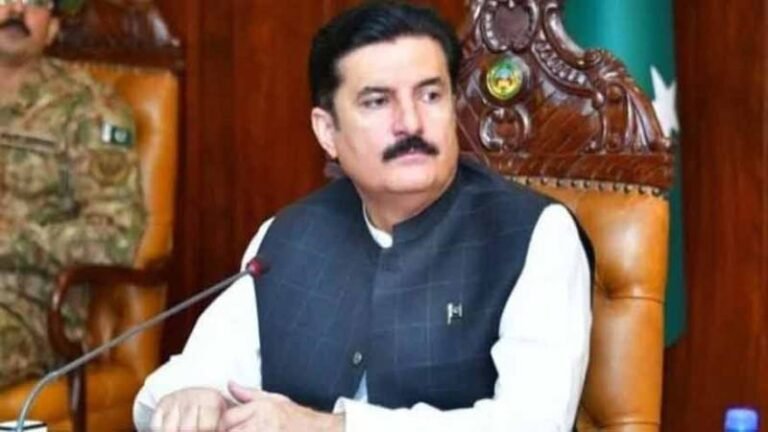
Ayatollah Khamenei was killed on February 28, 2026, in the opening strikes of the US Israeli war on Iran an attack that also claimed the lives of his daughter, son in law, and young granddaughter. The funeral, delayed for months by the conflict that followed, has finally unfolded this week as one of the largest state funerals in modern history, drawing delegations from more than thirty countries and religious representatives from over ninety. Pakistan’s delegation was led personally by the Prime Minister, accompanied by Deputy Prime Minister Ishaq Dar, Army Chief Field Marshal Asim Munir, and Interior Minister Mohsin Naqvi a delegation whose seniority matched the scale of the occasion, not the politics of a single camp.
Neighbours in grief, not in ideology
Pakistan and Iran are not distant observers of each other’s history. They share a 909 kilometre border running from Balochistan to Sistan, ethnic ties between Baloch and Pashtun communities that straddle the frontier, and centuries of civilizational overlap. It is only natural the same instinct that would move any nation for Pakistan to stand with the Iranian people at a moment of profound national loss.
That instinct is reinforced by faith. Pakistan is home to an estimated 35 to 45 million Shia Muslims, the second largest Shia population in the world after Iran itself. For a very large number of Pakistanis, Ayatollah Khamenei was not merely a foreign head of state, he carried genuine religious significance. A government that claims to represent all its citizens cannot simply look away when a figure of that stature is laid to rest.
History deepens the bond further. Persian was the language of the Mughal court for centuries, and its imprint remains visible today in Pakistan’s poetry, architecture, and everyday vocabulary. Attending this funeral was, in a real sense, an acknowledgment of a shared cultural inheritance that predates the modern nation state altogether.
Statecraft, not selective alignment
Critics who cast this visit as proof of partisanship conveniently overlook Pakistan’s pattern of engagement with the entire Muslim world. Islamabad regularly dispatches senior representatives to major occasions in Saudi Arabia, Türkiye, Qatar, and beyond. Extending the same respect to Iran during a moment of mourning is consistent diplomacy, not a departure from it. Tellingly, Pakistan was far from alone in Tehran this week Turkish, Tajik, Chinese, and even Indian officials were present, alongside dignitaries from dozens of other countries.
Solidarity in grief is not the same as alignment in politics, and the scale of international attendance makes that plain.
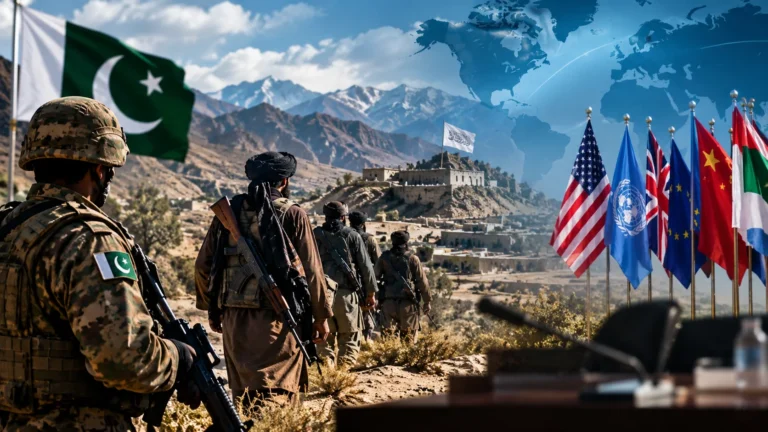
Nor did this visit emerge from nowhere. Pakistan has spent recent months working quietly to keep the region from tipping further into catastrophe. Islamabad played a central role in mediating between Washington and Tehran, helping secure the ceasefire reached in April and the memorandum of understanding signed in June that now forms the basis for broader negotiations to end the war. That same diplomacy has extended to encouraging restraint among Gulf states and working to keep the Strait of Hormuz a chokepoint vital to global energy security open and stable. None of this is the behaviour of a country abandoning balance for one camp, it is the behaviour of a country trying to keep the region from burning further.
Why the mediator’s seat matters
Pakistan’s credibility as a bridge builder rests precisely on its ability to maintain warm relations across a Muslim world that is often divided. That credibility is not self serving, it is the very asset that allowed Pakistan to help broker de escalation between adversaries who might otherwise still be trading fire. A country that walked away from Tehran at its darkest hour would have squandered exactly the trust that made it useful as a mediator in the first place.
Pakistan’s engagement with Iran also carries a direct, practical dimension, border stability along a long and sensitive frontier, and continued cooperation on regional security, benefit from precisely the kind of neighbourly relationship on display this week. Diplomatic warmth and humanitarian solidarity are not concessions of independence, they are investments in the kind of stability that protects Pakistan’s own borders and interests.
A test of good faith
Ultimately, the attempt to read partisanship into a funeral delegation says more about the anxieties of those making the accusation than about Pakistan’s actual conduct. Islamabad has, through this entire crisis, tried to keep channels open in every direction with Washington, with Tehran, with Riyadh, with Ankara. Sending a high level delegation to mourn a regional leader killed in an act of war is an act of respect and empathy, not a declaration of allegiance. In a region exhausted by division, that distinction deserves to be understood, not distorted.
Empathy, after all, has always been the foundation on which durable diplomacy is built.
Disclaimer:
The views and opinions expressed in this article are exclusively those of the author and do not reflect the official stance, policies, or perspectives of the Platform.