

BLF’s Manufactured Victory Cannot Conceal Its Losses
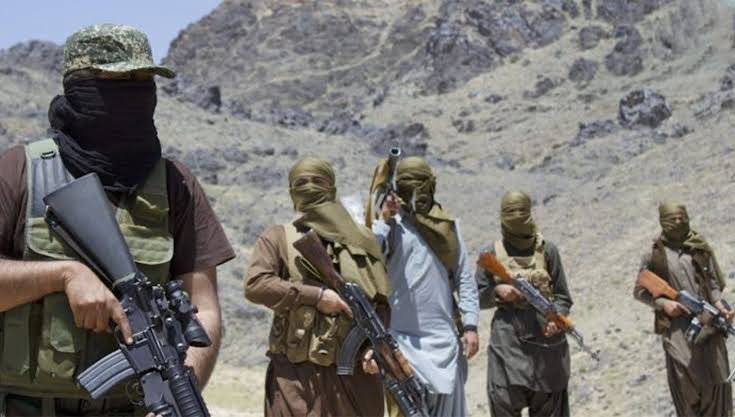
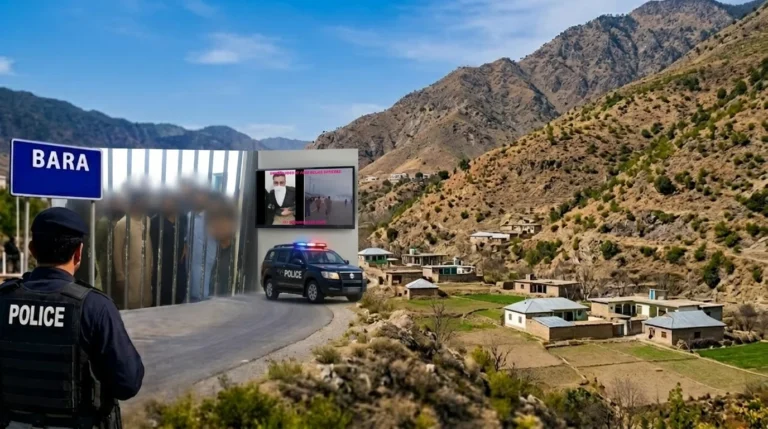
The Balochistan Liberation Front’s claim that it captured the Thalkhavi Camp in Mastung is presented as a major battlefield achievement. Yet the video circulated to support that claim tells a remarkably different story. It shows a deserted position with no security personnel, military vehicles, weapons, damaged fortifications or visible signs of fighting. There is no filmed assault, no surrender and no credible evidence that an operational camp was seized. What was meant to demonstrate strength instead raises serious doubts about the entire narrative.
According to the BLF’s account, its fighters maintained a four-day siege, exhausted the camp’s food and water supplies, forced personnel to flee and later ambushed them. Such an elaborate operation should have left behind substantial evidence. A prolonged siege would ordinarily produce damaged structures, spent ammunition, abandoned equipment, casualties or signs of defensive activity. None of these appears in the footage.
The absence of such evidence does not independently prove that nothing happened, but it means the video fails to substantiate the dramatic story attached to it
That distinction matters. Armed groups increasingly treat social media as a second battlefield where perception can sometimes be manipulated more easily than territory can be captured. A camera enters an empty location, a flag is displayed and a triumphant statement supplies the missing action. Carefully chosen angles and edited clips then turn an unverified visit into an apparent military victory. The intended audience is rarely limited to local communities. Such content also seeks media attention, recruits, financial support and relevance among sympathisers abroad.
The Thalkhavi video follows this familiar pattern. It does not provide continuous footage establishing when the militants arrived, who previously occupied the position or how it supposedly fell. There is no reliable timeline, independent verification or visual record of the claimed ambush. Even the basic identity and operational status of the location remain unclear from the footage alone. If a group claims a significant victory, the burden of proof rests with that group.
A deserted structure accompanied by a dramatic voiceover is not proof of conquest
The need to manufacture a symbolic success may also reflect the pressure that militant networks face on the ground. Pakistan’s security forces have intensified intelligence led operations across Balochistan and other affected regions. At a July briefing, the military spokesperson reported more than 40,348 intelligence based operations during 2026, including over 31,000 in Balochistan, and said 2,084 militants had been killed nationwide. These remain official figures and should be understood as such, but their scale indicates the sustained operational pressure being applied to armed networks.
Operation Shaban further illustrates that pressure. By 16 July, security sources reported that 91 militants had been killed during the operation, while the combined figure for Operation Shaban and other intelligence based actions across Balochistan had reached 129. These operations were conducted after a period of serious militant violence that cost the lives of security personnel and civilians. The larger picture is therefore not one of an armed organisation freely expanding its control.
It is one of networks being tracked, disrupted and compelled to operate under increasingly difficult conditions
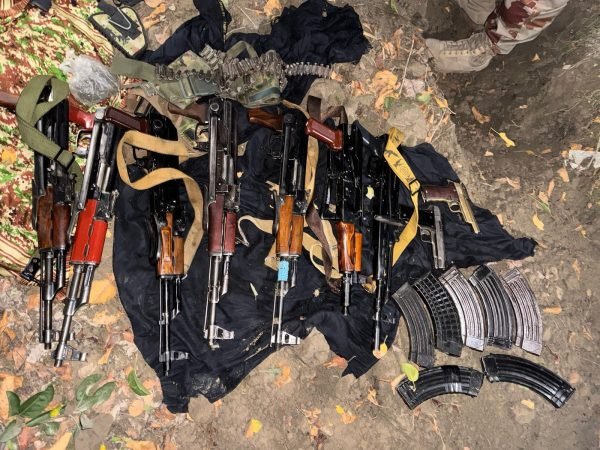
Operation Radd-ul-Fitna-3 has continued that campaign. In August, security officials reported the killing of 15 militants during operations in Mastung, Bolan, Washuk, Awaran, Sibi, Khuzdar, Harnai and Nushki. Weapons and ammunition were also reportedly recovered. The geographic spread of these actions demonstrates an effort to deny militants safe movement between districts, dismantle logistical connections and prevent isolated cells from rebuilding into coordinated networks.
None of this means the security challenge has disappeared. Balochistan has endured a long and complicated insurgency, and militant organisations have shown that they remain capable of violence. Earlier in 2026, coordinated attacks caused extensive destruction and deaths among civilians and security personnel. Security operations subsequently broke militant control in affected areas and recovered installations. Reuters reported that unsupported casualty claims also accompanied those attacks. This history makes accurate reporting essential. Exaggerating success can mislead supporters, but it cannot permanently conceal operational setbacks.
Pakistan should answer militant propaganda with timely evidence rather than slogans alone. Official communication must provide verifiable details, clear timelines and, where security considerations permit, authenticated footage. Independent journalists should also be given reasonable access to examine contested claims. Credibility becomes stronger when facts can withstand scrutiny.
At the same time, the state must complement counterterrorism operations with accountable governance, economic opportunity and meaningful political engagement so that violent groups cannot exploit genuine public grievances
The Thalkhavi episode ultimately exposes the weakness of propaganda built around an empty frame. The BLF may describe a deserted position as a captured camp, but repetition cannot transform assertion into evidence. Its footage shows neither a military victory nor the battlefield drama claimed in its statement. Pakistan’s security forces will continue pursuing armed networks through intelligence based and coordinated operations. A staged recording may create a few hours of online excitement, but it cannot recover lost fighters, rebuild dismantled cells or reverse sustained pressure on the ground.

