

Diplomat Scolding Abroad Shows Lack of Honor, Not Pride
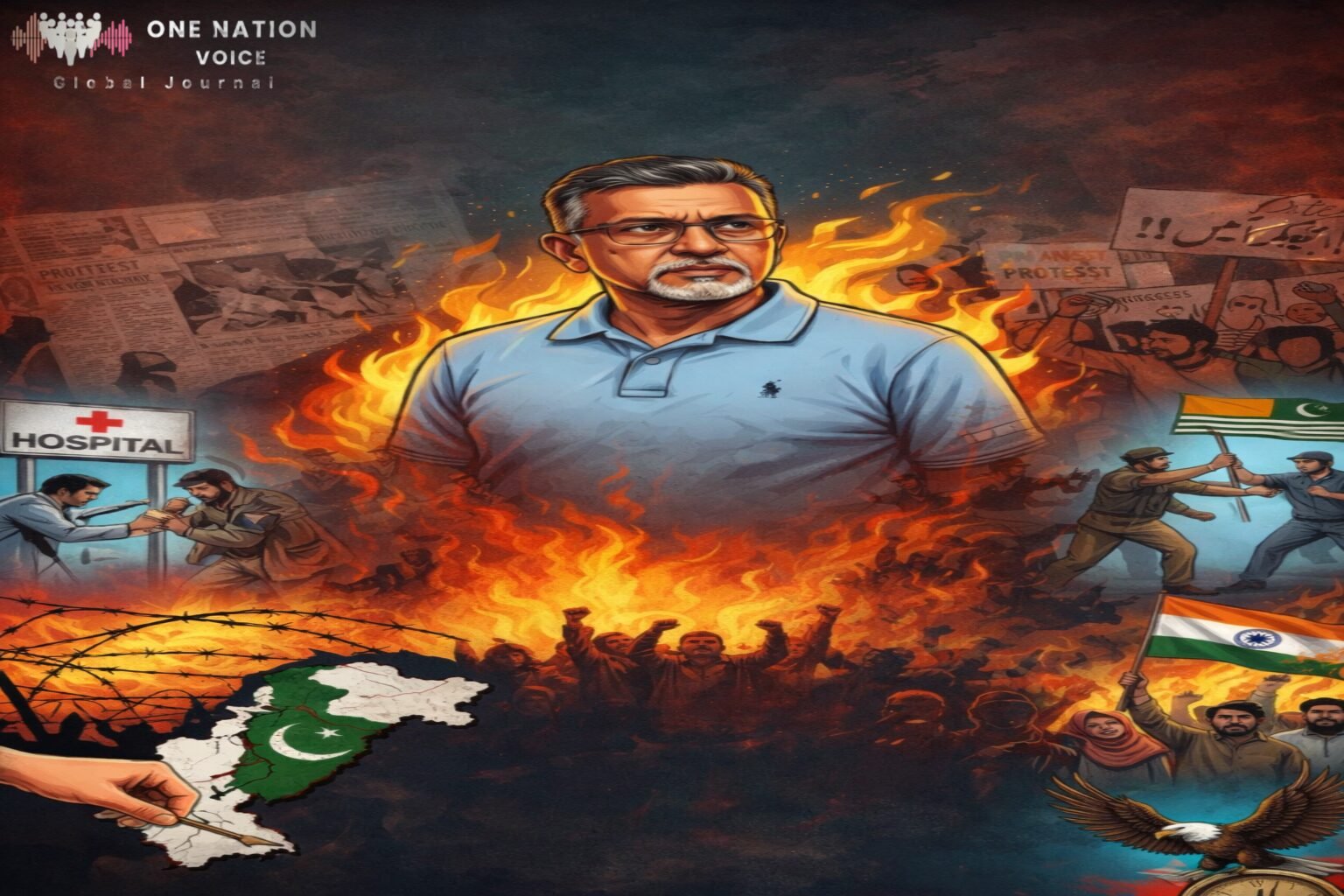
Selective Outrage: When Activism Abroad Ignores the Fire at Home
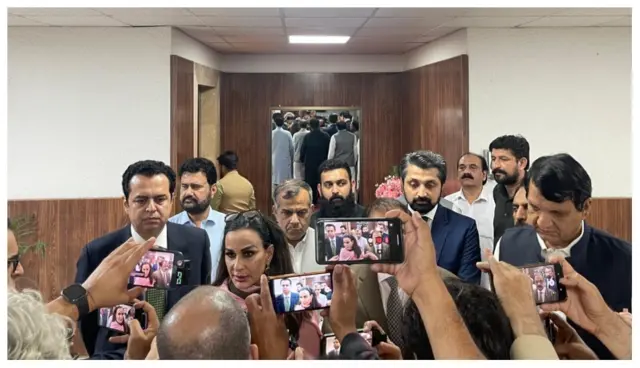
A video clip is making the rounds this week: a Pakistani diplomat, invited to speak at a university event in the United Kingdom, is interrupted by a heckler who taunts him mid speech. The clip has been shared widely, framed as an act of bravery a citizen speaking truth to power on foreign soil, far from any consequence at home. But bravery is measured by what a person is willing to say when it costs them something, not by how loudly they can shout at someone who cannot walk off a stage mid event. And that distinction is exactly what this episode exposes.
Here is the question worth asking: where was this outrage when it actually mattered
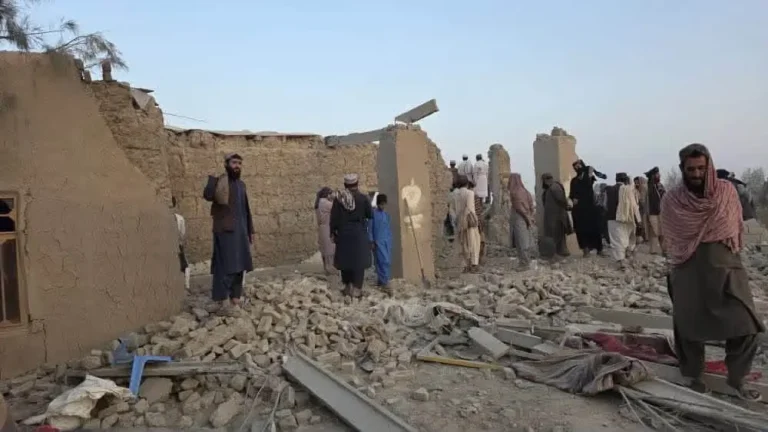
Just weeks ago, Rawalakot a city in Azad Jammu and Kashmir went through one of its most violent nights in recent memory. According to police, members of the Joint Awami Action Committee (JAAC), a protest movement recently proscribed under anti terrorism law, laid siege to the Combined Military Hospital and opened fire on law enforcement, killing four officers and injuring roughly twenty more. JAAC disputes this account and says security forces fired on a peaceful sit in. Independent fact checkers have already had to debunk viral footage falsely claimed to show mass firing on unarmed demonstrators a reminder that in the fog of an internet blackout, misinformation travels faster than facts. Whatever the full truth turns out to be once investigations are complete, one thing is not in dispute: people died, a hospital was paralyzed at the moment it was needed most, and an already fragile region was pushed further into crisis.
Where were the viral clips then Where were the university panels Where was the moral clarity that seems so readily available when the target is a diplomat standing behind a podium in London. A hospital under siege is precisely the kind of event that ought to provoke immediate, unambiguous condemnation regardless of which side one ultimately believes fired first. Silence in that moment, followed by theatrical outrage at a diplomat weeks later, does not look like principle. It looks like
selective outrage activism calibrated not by the severity of the harm, but by how much attention and how little risk is on offer.
The same pattern repeats itself when the subject turns to Indian administered Kashmir. There is no shortage of documented grievances there curfews, communication blackouts, allegations of excessive force against civilians and no shortage of opportunities for a genuinely committed activist to raise them. Yet the same voices that find the confidence to confront a Pakistani official abroad are conspicuously quiet when the subject is New Delhi’s conduct across the Line of Control. If the cause were really about the dignity and safety of Kashmiris, the outrage would be consistent regardless of which government’s forces were involved. When it isn’t, it’s fair to ask what the cause actually is.
None of this is an argument that diplomats or governments are beyond criticism. They are not, and a healthy public sphere depends on the right to challenge officials, including in public forums abroad. Nor is it an argument that every question raised about the Rawalakot violence, or about the AJK government’s decision to ban JAAC before the clashes occurred, should be waved away. Those questions deserve serious, transparent answers, not a single official narrative accepted uncritically. But there is a meaningful difference between principled criticism offered consistently, with evidence, and directed at whichever party the facts implicate and opportunistic theater that only ever surfaces when a camera and a foreign audience are guaranteed.
Pakistanis, wherever they live, are entitled to disagree sharply with their government’s policies, including on Kashmir, on AJK’s political structure, and on how the Rawalakot crisis was handled. That disagreement is healthy. What is corrosive is when criticism becomes a performance calibrated for applause rather than a genuine attempt to hold power accountable applied fiercely to a diplomat on a stage abroad, and withheld entirely from a hospital under fire, from the families of four dead policemen, or from three deceased protesters whose own movement disputes how they died.
The public is not as easily fooled as some assume. People can tell the difference between someone who consistently challenges wrongdoing wherever it occurs, and someone who reserves their courage for moments with no downside. If the goal really is justice for the people of Kashmir on either side of the Line of Control then the standard has to be the same standard, applied every time, not just when it is safe, visible, and cost free.
Consistency not volume is what separates genuine advocacy from spectacle. Until the outrage shows up at the hospital gate as reliably as it shows up at the lecture hall, it is fair to ask whether it is about Kashmir at all or about something else entirely.
Disclaimer:
The views and opinions expressed in this article are exclusively those of the author and do not reflect the official stance, policies, or perspectives of the Platform.

Author

Sohail Javed is a seasoned media professional, currently serving as Chief Executive of National News Channel HD and Executive Editor of "The Frontier Interruption Report." He brings years of journalistic experience and insight to the newsroom. He can be reached via email at Shohailjaved670@gmail.com for inquiries or collaboration opportunities.
