

Exposing Anarchists’ Anti-State Exploitation of the Ziarat Terror Attacks
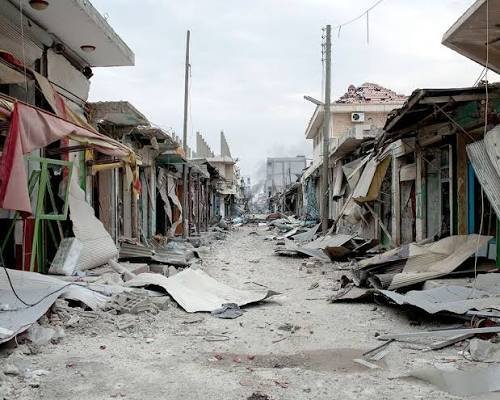
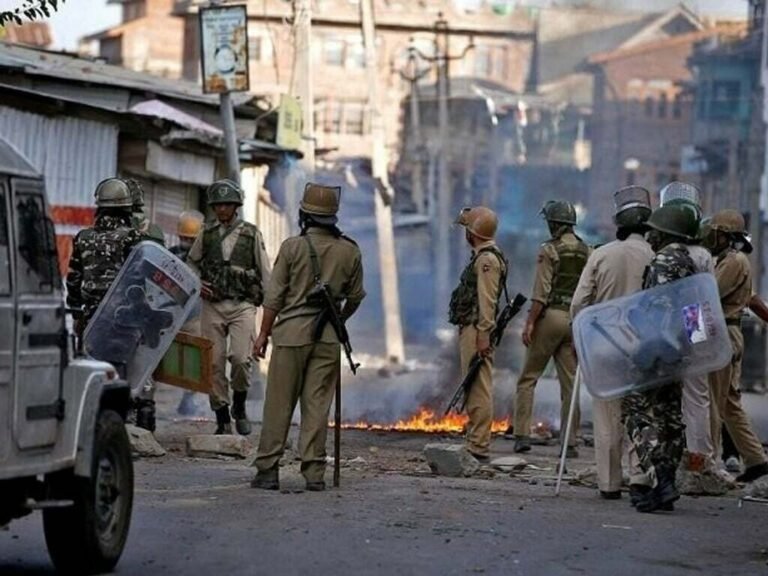
The terrorist violence in Ziarat was not merely an attack on a police checkpoint; it was an assault on public safety, development, and the authority of the state. The personnel guarding the Mangi Dam water project were protecting infrastructure intended to address Quetta’s worsening water crisis when they were targeted in a coordinated act of terrorism. Yet, instead of directing public anger towards the armed groups responsible for the bloodshed, certain political activists have attempted to transform the tragedy into another campaign against Pakistan’s state institutions. The manipulation of grief for political mobilisation does not advance justice. It distracts from the killers, weakens the national response to terrorism, and deepens mistrust when unity is urgently required.
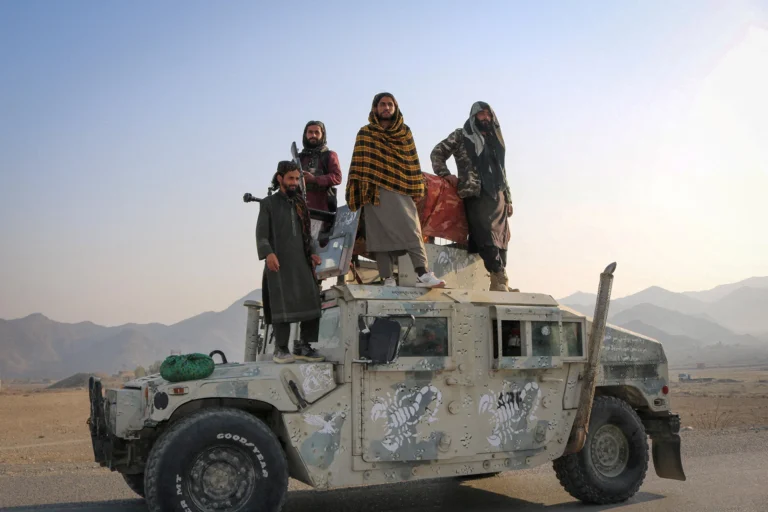
The central question after any terrorist attack should be straightforward: who planned it, who executed it, and who benefits from the resulting instability? The attack on the Mangi Dam checkpoint, viewed alongside violent incidents in Hanna Urak, Ziarat and Lasbela, points to a broader campaign by militant networks seeking to undermine security and sabotage development in Balochistan. The reported cooperation between the Balochistan Liberation Army and Tehreek-e-Taliban Pakistan represents a dangerous convergence.
Although these organisations differ in ideology and declared objectives, their operational interests overlap wherever violence can weaken the state, spread fear and obstruct economic activity
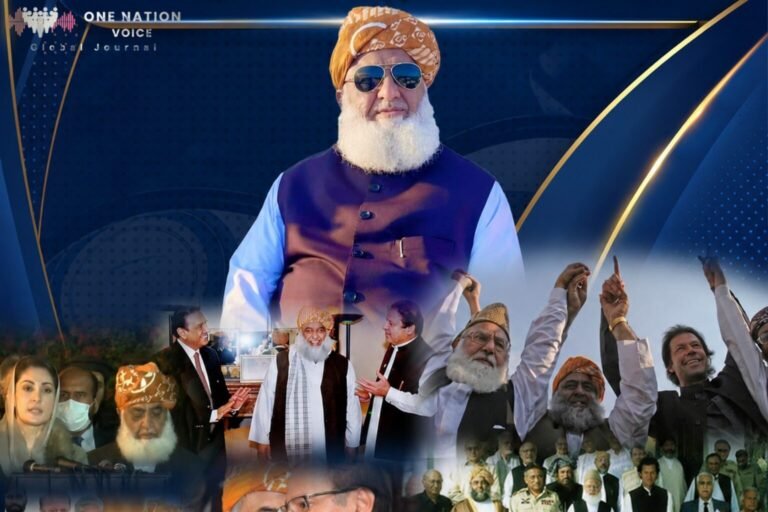
Against this background, the selective rhetoric of the Pashtun Tahaffuz Movement and the National Democratic Movement deserves scrutiny. Their activists have every democratic right to demand accountability, question administrative failures, and stand with affected families. However, that right carries a responsibility to condemn terrorists clearly and without qualification. When political campaigns focus almost exclusively on attacking the police, security forces, and government while barely acknowledging the armed groups that murdered personnel, the result is not principled human-rights advocacy. It is a distorted narrative that shifts attention away from the perpetrators and places the state on trial for crimes committed against it.
This pattern has appeared repeatedly in Pakistan’s conflict-affected regions. Security incidents are reframed as evidence of state oppression, while the calculated brutality of terrorist organisations is treated as secondary or politically inconvenient. The fallen officers of the Balochistan Police were not abstract symbols of state power. They were citizens, breadwinners, and public servants deployed to protect a project essential for local communities.
Exploiting the anguish of their families while refusing to confront the terrorists responsible amounts to a grave moral failure. Mourning should not be converted into a stage for anarchist politics
The humanitarian language used in such campaigns also requires examination. Human rights must be protected, and allegations of misconduct should be investigated through lawful and transparent mechanisms. But humanitarian vocabulary should not become camouflage for narratives that indirectly legitimise armed violence. When activists condemn counterterrorism operations more loudly than terrorism itself, they create a false moral equivalence between security personnel restoring order and militants deliberately targeting police, civilians and infrastructure. This rhetorical imbalance offers political cover to violent groups, even when no formal relationship exists between activists and terrorists.
The strategic objective of attacks on projects such as Mangi Dam is clear. Development strengthens the connection between communities and the state. Water schemes, roads, schools, and health facilities improve daily life and reduce the space in which violent movements recruit. By attacking workers, police posts and construction sites, militants seek to make development dangerous and expensive.
Political factions that prolong unrest may unintentionally reinforce this objective by paralysing administration, delaying construction and portraying every security response as illegitimate
Provincial authorities were right to engage local residents over legitimate concerns. Dialogue is essential where communities have suffered insecurity and neglect. Nevertheless, negotiations must resolve grievances rather than sustain confrontation indefinitely. Sit-ins demanding accountability can serve a constructive purpose; sit-ins captured by organisations seeking wider anti-state mobilisation can obstruct justice and deepen instability. The distinction lies in whether a movement seeks specific remedies for affected families or uses the incident to advance sweeping accusations against national institutions.
Pakistan possesses the sovereign right and constitutional duty to defend its citizens, borders, and critical infrastructure. Counter-insurgency measures taken after major terrorist attacks cannot automatically be labelled human-rights violations simply because force is involved. Law-enforcement operations must remain proportionate, intelligence-led and subject to legal oversight, but the state cannot abandon threatened areas to armed groups. Presenting every search operation, arrest or security deployment as repression is an attempt to delegitimise the government’s responsibility to restore order, particularly when the wider security context is omitted.
The Ziarat tragedy should therefore become a moment of clarity. Justice requires an impartial investigation, accountability for security failures, support for the families of the fallen, and decisive action against the terrorist networks responsible. It also requires resisting attempts to redirect public outrage away from the murderers. Political organisations must choose whether they stand with democratic reform and lawful accountability or with narratives that weaken the state while terrorists continue their campaign of violence. The victims of Ziarat deserve truth, not manipulation; security, not anarchy; and national solidarity, not the exploitation of their grief for an anti-state agenda.

