
This political blackmailing will no longer work.
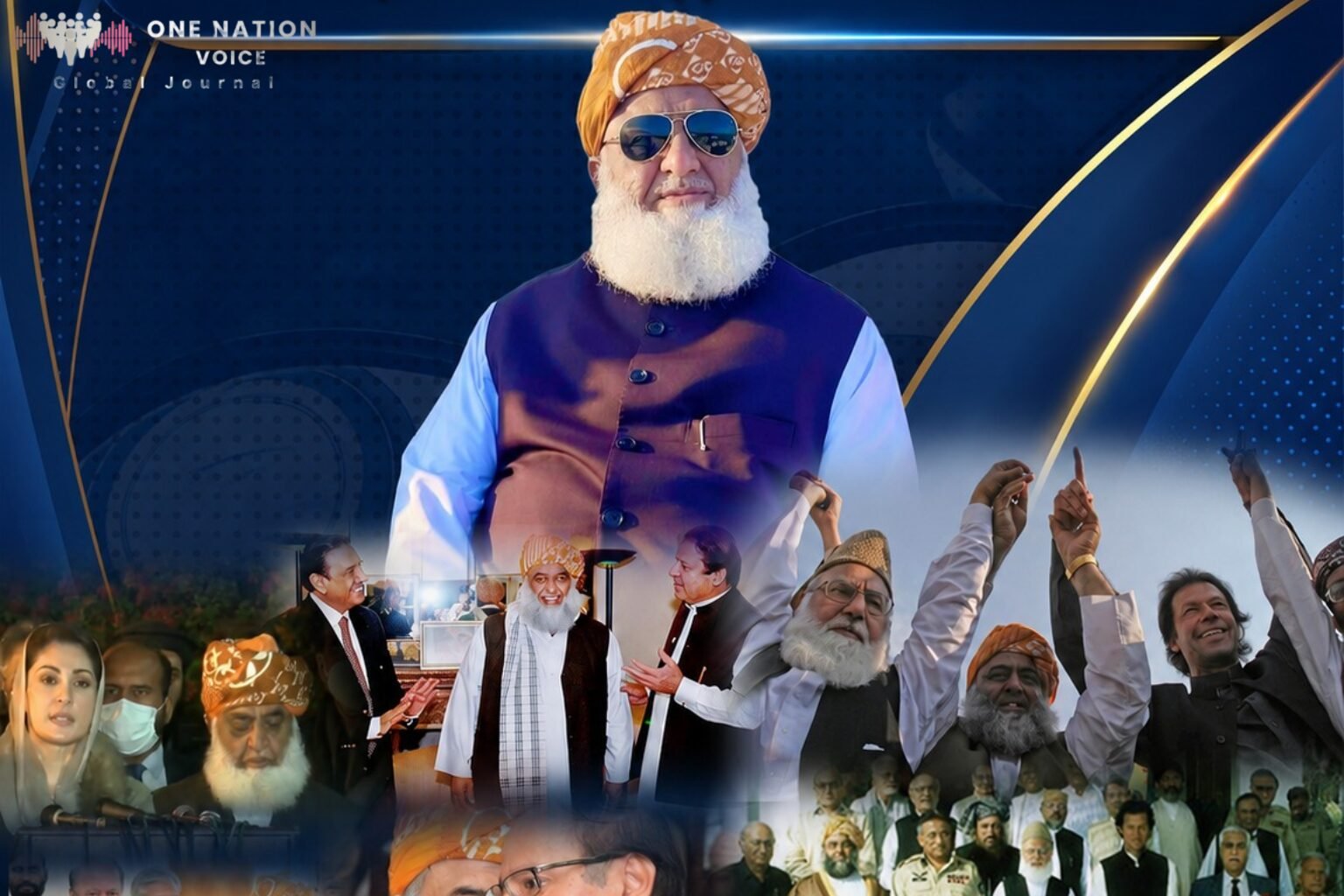
The Political Legacy of Maulana Fazlur Rehman: A Critical Analysis
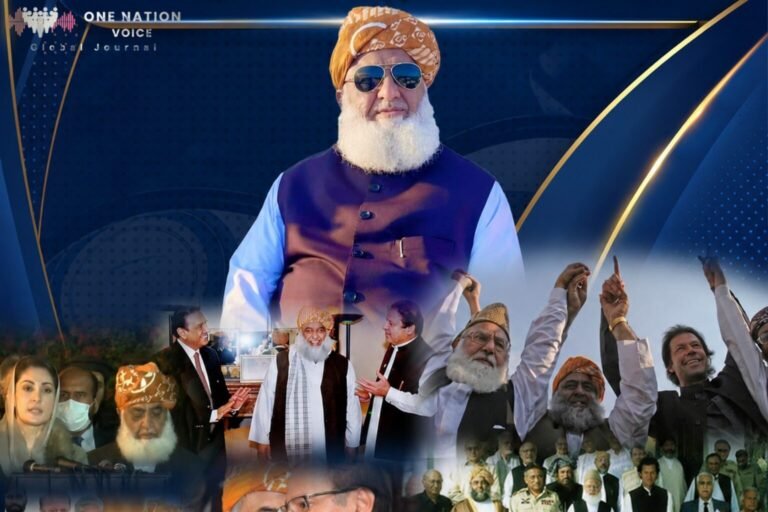
In the complex landscape of Pakistani politics, few figures have maintained such a persistent and influential presence across decades as Maulana Fazlur Rehman, the chief of Jamiat Ulema‑e‑Islam (F). Hailing from a family deeply entrenched in both religious scholarship and parliamentary politics, his trajectory and that of his family members offers a unique case study in the longevity of political dynasties in Pakistan.
A History of Political Persistence
The foundation of this political dynasty was laid by his father Mufti Mahmud, a prominent Islamic scholar who served as the Chief Minister of Khyber Pakhtunkhwa (KP) in the 1970s and was a key opposition figure against Zulfiqar Ali Bhutto. Following his passing, Maulana Fazlur Rehman took the helm of the party in 1980, gradually expanding its influence through a blend of religious appeal and shrewd coalition building.
Since 1988, Fazlur Rehman has been a fixture in the National Assembly, serving in various capacities including Leader of the Opposition and Chairman of the Kashmir Committee.
His family’s reach extends far beyond his own tenure with his brothers and sons holding significant roles ranging from federal ministries and Senate memberships to provincial assembly positions and local governance. This consistent presence in the echelons of power regardless of which major political party is in government has often been a subject of intense public debate and scrutiny.
Navigating Controversy and Public Scrutiny
Maulana Fazlur Rehman’s career has been marked by a series of high‑profile statements and political shifts that have frequently polarized public opinion. His recent remarks concerning the armed forces and the sacrifices of martyrs have reignited criticism with many segments of society viewing his commentary as dismissive of the personal cost borne by security personnel. Historically, he has faced similar backlash for statements perceived as undermining the state’s security apparatus or national interests, often drawing sharp rebukes from government officials and institutional observers.
Critics often point to the contrast between the family’s long‑standing political dominance and the persistent socio‑economic challenges in their native districts of Dera Ismail Khan and surrounding areas. This has led to recurring questions regarding the focus of their political efforts whether they prioritize public service and regional development or the maintenance of their political influence and coalition‑based survival.
The Future of Religious Politics
The JUI‑F maintains a robust network of seminaries (madrasas) across Pakistan which serves as a vital base for mobilizing support. While this network has granted the party significant political capital, it has also sparked debate about the intersection of religion and mainstream politics. As the political environment in Pakistan evolves, the challenge for leaders like Maulana Fazlur Rehman remains how to balance traditional power structures with the growing demands for transparency, governance, and institutional integrity from a younger, more vocal electorate.
Ultimately, the story of Maulana Fazlur Rehman is one of adaptation.
Whether through leading the Pakistan Democratic Movement (PDM) to orchestrate political transitions or navigating delicate relationships with both domestic and regional stakeholders, he remains a pivotal player whose every statement and action continues to shape the discourse of Pakistan’s political future.
Disclaimer:
The views and opinions expressed in this article are exclusively those of the author and do not reflect the official stance, policies, or perspectives of the Platform.

Author

Sohail Javed is a seasoned media professional, currently serving as Chief Executive of National News Channel HD and Executive Editor of "The Frontier Interruption Report." He brings years of journalistic experience and insight to the newsroom. He can be reached via email at Shohailjaved670@gmail.com for inquiries or collaboration opportunities.
