
GSP+ and Geopolitics: Why the EU Parliament’s Pakistan Resolution Is Theatre, Not Policy
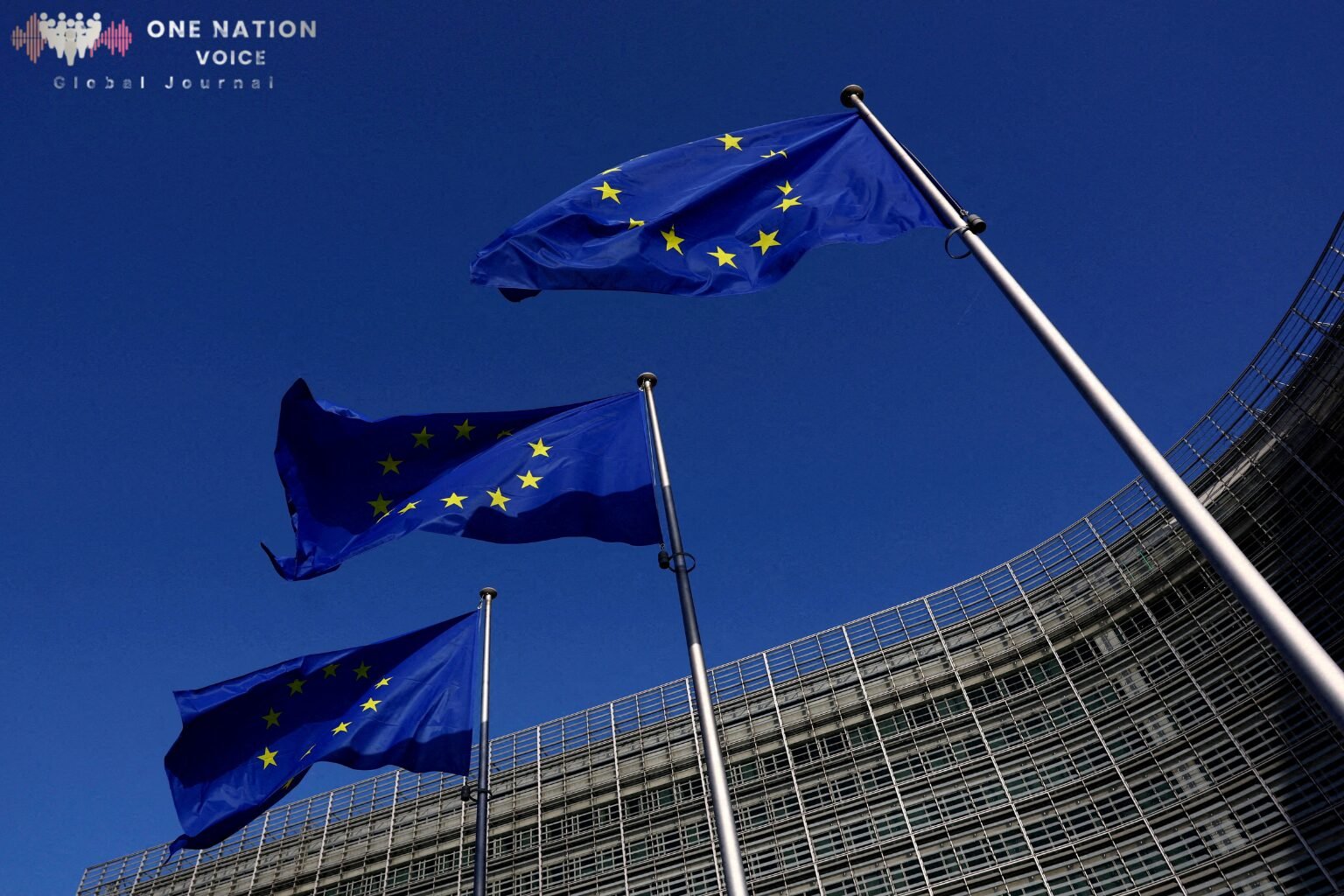
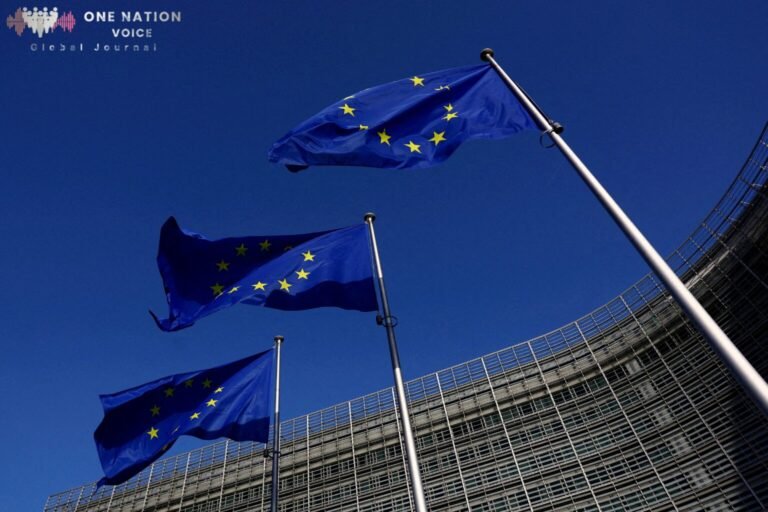
When the European Parliament adopted its latest resolution condemning alleged human rights violations against religious minorities in Pakistan citing the distressing case of 13 year old Maria Shahbaz it generated precisely the headlines it was designed to generate. Alarm bells rang in Islamabad. Textile exporters held their breath. But those who understand how the European Union actually works recognised the resolution for what it is a political performance not a policy instrument.
To understand why one must begin with a basic constitutional fact that the resolution’s loudest champions conveniently omit.
The European Parliament does not control GSP+ status. That executive power belongs solely to the European Commission.
The Parliament’s resolution is entirely non binding a statement of political preference not a legal trigger. It can influence the Commission’s thinking but it cannot compel action.
The procedural origins of this resolution are themselves revealing. It was adopted under the Parliament’s urgency debates on human rights a monthly procedure in which three countries are selected for condemnatory resolutions. Crucially that selection is not based on any objective assessment of comparative severity of violations. It is the product of political horse trading between parliamentary blocs. Right wing European groups frequently under the influence of transnational Evangelical organisations pursuing their own missionary agendas pushed to place Pakistan on the agenda with a focus on Christian minorities. The country being condemned is almost always at a disadvantage unable to present its case as narratives calcify in Brussels within a single working day the time allotted for drafting. NGOs and advocacy groups flood MEP offices with pre packaged language that staffers copy paste directly into parliamentary motions. The result is a text prone to inaccuracy and ideological posturing rather than sober fact based analysis.
This is not to dismiss every legitimate concern about minority rights in Pakistan those concerns warrant genuine and sustained engagement. But the European Parliament’s mechanism is an unreliable vehicle for that engagement. Even MEPs themselves have criticised its lack of rigour and reform efforts have repeatedly gone nowhere.
What then is the actual outlook for Pakistan’s GSP+ status The economic realities alone make suspension a distant prospect. Pakistan is the largest beneficiary of the EU’s GSP+ arrangement with bilateral trade in goods between the EU and Pakistan reaching €12.2 billion in 2025. Of Pakistan’s €8.7 billion in exports to the EU in 2025 approximately €7 billion benefited from the GSP+ preferential trade scheme. These are not abstract statistics they represent millions of jobs in Pakistan’s textile sector and deeply integrated European supply chains. Withdrawal would hurt European importers and consumers alongside Pakistani workers.
The European Commission which alone holds the authority to act has consistently preferred conditional engagement over punitive sanctions. Pakistan has successfully completed four review cycles under GSP+ and Islamabad has reaffirmed its commitment to meeting every requirement of the framework. That is the context in which Brussels calibrates its response incremental pressure through dialogue not abrupt suspension.
The strategic picture reinforces this approach emphatically. Pakistan’s emergence as an indispensable diplomatic actor has fundamentally reshaped how Europe views Islamabad. Pakistan has been the main mediator between the United States and Iran and its diplomatic efforts have helped prevent a return to full blown war on several occasions efforts that are recognised and appreciated across Europe. Pakistan has simultaneously played a constructive mediating role in Libya a matter of direct European interest. In a fragmented and conflict ridden world reliable diplomatic intermediaries are a scarce and valuable resource.
This strategic value was on full display during the 8th Pakistan EU Strategic Dialogue held in Islamabad on 1 June 2026. EU High Representative Kaja Kallas described Pakistan as a major regional power and an increasingly important strategic partner as both sides pledged to deepen cooperation across trade diplomacy security climate resilience and regional peace efforts. Kallas said the momentum of 2026 was to develop EU Pakistan relations into a more forward looking footing noting that Pakistan’s status as the world’s leading beneficiary of the GSP+ system showed the partnership was not only commercially significant but was also a driver of growth.
EU Ambassador Raimundas Karoblis at a Europe Day reception in Islamabad in May 2026 reaffirmed the EU’s commitment to helping Pakistan secure the continuation of GSP+ trade preferences saying the bloc would work closely with the Pakistani government to maintain the arrangement. That is a statement of intent that stands in stark contrast to the Parliament’s conditional threats.
The counter terrorism dimension further cements this partnership. Both sides share vital security interests in confronting terrorist organisations including TTP and other groups operating from Afghan soil and in the joint communiqué of the Strategic Dialogue both sides reaffirmed the importance of combating terrorism in all its forms and expressed serious concern over the presence of terrorist entities in Afghanistan reiterating that Afghan territory must not be used to threaten or attack other countries. Security cooperation of this depth does not exist alongside trade isolation.
None of this means Europe is about to suspend Pakistan’s trade preferences. Such a move would also affect European importers and deprive Brussels of one of its strongest sources of leverage. A more likely outcome is tighter monitoring and growing pressure on Islamabad to demonstrate measurable progress before the next compliance review.
That is the honest and accurate characterisation of the road ahead. The European Parliament is free to adopt its resolutions and Pakistan should engage Brussels constructively presenting accurate and nuanced information to counter biased narratives before they solidify. But the resolution does not decide trade policy the Commission and the Council do.
And the Commission looking at €12 billion in bilateral trade a country serving as a pivotal peace broker between global powers and a partner whose continued cooperation is essential to European interests from counter terrorism to migration management will continue to choose engagement over punishment.
The GSP+ arrangement is conditional not unconditional and Pakistan must take its obligations seriously and pursue genuine reforms. But the European Parliament’s theatrical resolutions should be seen for what they are the loudest voices in a room where they hold no keys.
Disclaimer:
The views and opinions expressed in this article are exclusively those of the author and do not reflect the official stance, policies, or perspectives of the Platform.

Author

Dr. Syed Hamza Hasib Shah is an experienced writer and political analyst, specializing in international relations with an emphasis on Asia and geopolitics. He holds a PhD in Urdu literature and actively contributes to academic research, policy discussions, and public debates. His work addresses complex geopolitical challenges. Email: hk3156169@gmail.com.
