Afghanistan’s Information Prison
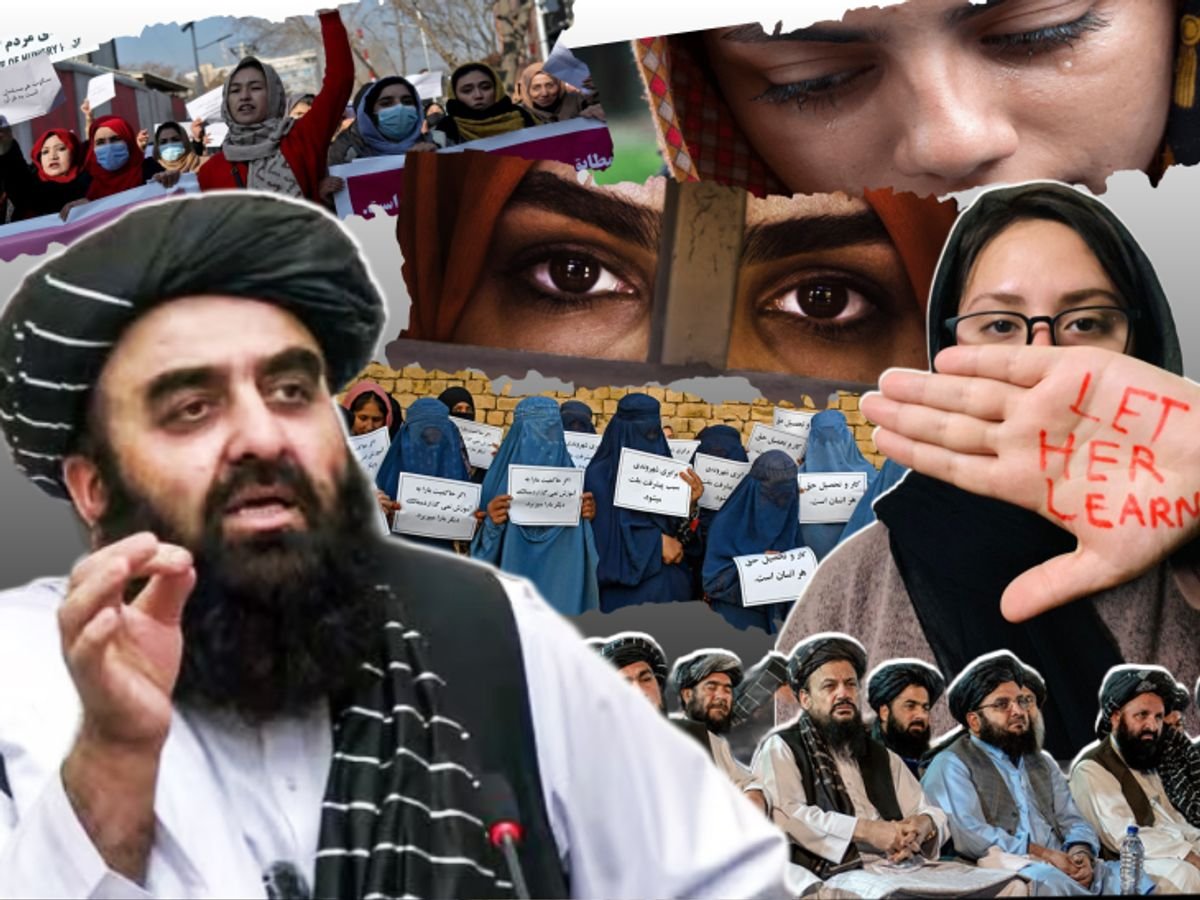
Five years after the Taliban returned to power in Kabul, the crisis facing Afghan journalism is no longer simply about shrinking media space. It is about a system steadily designed to control who may speak, what may be discussed and which version of reality reaches the public. Reporters Without Borders’ assessment published on 10 August 2026 documents more than twenty national directives and numerous provincial decrees imposed since August 2021. Together, they reveal a progression from administrative interference to institutionalised censorship backed by punishment and fear.
The architecture of this control appeared almost immediately. On 19 September 2021, the Taliban authorities introduced eleven rules for journalism. Their vague provisions gave officials enormous discretion over reporting. Journalists were told to avoid material deemed contrary to Islam, insulting to national figures or harmful to public morale, while detailed reporting was expected to be coordinated with the Government Media and Information Center. The press was therefore no longer merely expected to report responsibly.
It was being required to operate within boundaries defined by those it was supposed to scrutinise
Restrictions soon extended from content to the people journalists could interview. In November 2021, journalists were instructed not to interview analysts critical of the Taliban. By September 2024, live political programming had been banned, broadcasters were limited to Taliban-approved experts and criticism of Taliban laws and policies on air was prohibited. This is especially significant because censorship becomes more powerful when it removes disagreement itself from public view. A political system can manufacture the appearance of consensus simply by preventing dissenting voices from reaching an audience.
The treatment of women in Afghan media demonstrates an even deeper form of exclusion. Female television presenters were required to cover their faces, while Kandahar guidelines issued in March 2025 banned women’s voices from radio broadcasts. RSF says eight out of ten women journalists have had to stop working since the Taliban takeover. The damage goes beyond lost careers. When women are prevented from reporting, presenting and reaching official sources, half of society is steadily denied the ability to describe its own condition in public.
The same logic has been applied to outside sources of information. In March 2022, the Taliban banned rebroadcasting of Voice of America and Radio Free Europe/Radio Liberty content. The 2024 Law on the Promotion of Virtue and Prevention of Vice later prohibited broadcasting images of living beings, a restriction RSF says has been enforced in more than twenty provinces.
These measures narrow the range of information available to Afghans while making domestic media increasingly dependent on what the authorities permit them to transmit
The ideological basis of this system became unmistakable in July 2022, when Taliban supreme leader Haibatullah Akhundzada declared criticism of political officials contrary to Islamic law. In April 2024, the Ministry of Justice announced the repeal of the 2015 Press Law, further weakening the legal framework for journalism. Once criticism of rulers is treated as an ideological or religious offence rather than a legitimate public function, journalists become vulnerable simply for doing their jobs.
January 2026 marked a more dangerous escalation. According to RSF, a new Code of Criminal Procedure provides 20 lashes and six months in prison for insulting the leadership of the Emirate under Article 23, while Article 19 provides 39 lashes and one year in prison for insulting the Taliban supreme leader. Article 24 requires contact with government opponents to be reported. Journalists receive no special protection under the code, while broad concepts such as rebellion, subversion and heresy give judges extensive discretion. Censorship has therefore moved from directive to codified coercion.
The consequences extend well beyond newsrooms. Journalism is one of the means through which corruption, abuse, policy failure and public grievance become visible. When reporters cannot interview critics, women cannot be heard and political debate cannot be broadcast, rulers also lose access to independent feedback. An information system designed to protect authority may deliver short-term control, but it creates long-term blindness. Governments that hear only approved voices eventually begin governing through filtered realities.
The suppression of journalism, therefore, ultimately damages not only citizens but the quality of governance itself
Afghanistan’s media collapse is therefore not merely a professional crisis. It is evidence of the country’s wider political direction. RSF ranks Afghanistan 175th out of 180 countries in its 2026 World Press Freedom Index and says more than two-thirds of the roughly 12,000 journalists working in the country in 2021 have left the profession. Hundreds have fled abroad, while those who remain face continuing pressure, arrest and intimidation.
The five-year record shows a consistent sequence: vague restrictions, control over language and interviewees, exclusion of women, suppression of foreign broadcasters, restrictions on images, elimination of political debate and finally criminal penalties capable of turning criticism into an offence. This is not ordinary media regulation. It is an attempt to restructure Afghanistan’s information environment so that authority speaks and society listens. A government confident in its legitimacy does not need to fear questions. A system that criminalises those questions demonstrates why independent journalism remains indispensable and why Afghanistan’s struggle for press freedom is inseparable from its struggle for accountable governance.