

The BLF’s Aspar Strategy
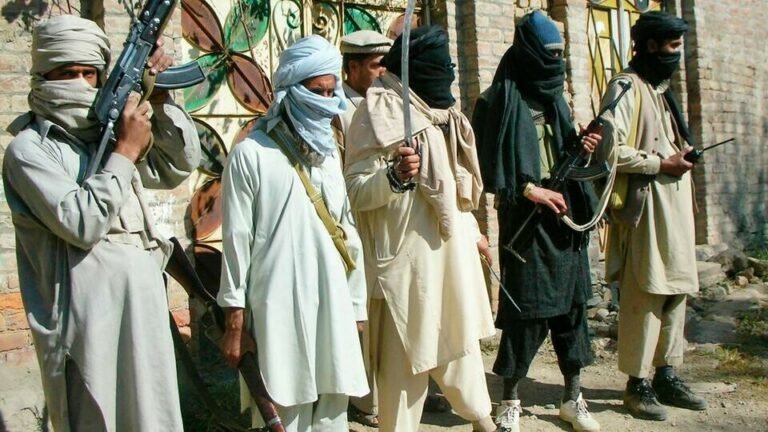
The August 2026 edition of Aspar, published by the Balochistan Liberation Front, should not be mistaken for an ordinary political magazine or an expression of peaceful nationalist opinion. It is better understood as part of a broader information warfare strategy designed to justify armed violence, manufacture legitimacy, glorify militants and attract new recruits. The distinction matters. Political grievances can and should be debated, investigated and addressed through lawful political processes. A publication that romanticizes violence and provides material associated with weapons and guerrilla warfare crosses into a very different territory. BLF itself has been a proscribed organization in Pakistan since September 2010.
The central technique employed by Aspar is narrative reframing. Terrorism is presented as “anti-colonial resistance”, while allegations of political marginalization, resource exploitation and state repression are woven into a justification for armed struggle. This is powerful propaganda precisely because some of the grievances it invokes cannot simply be dismissed. Human rights organizations have documented concerns over enforced disappearances and restrictions affecting activists in Pakistan, including Baloch activists. But acknowledging legitimate human-rights questions does not validate attacks on civilians, workers, infrastructure or economic projects.
A serious political movement distinguishes grievances from violence. Militant propaganda deliberately collapses the two
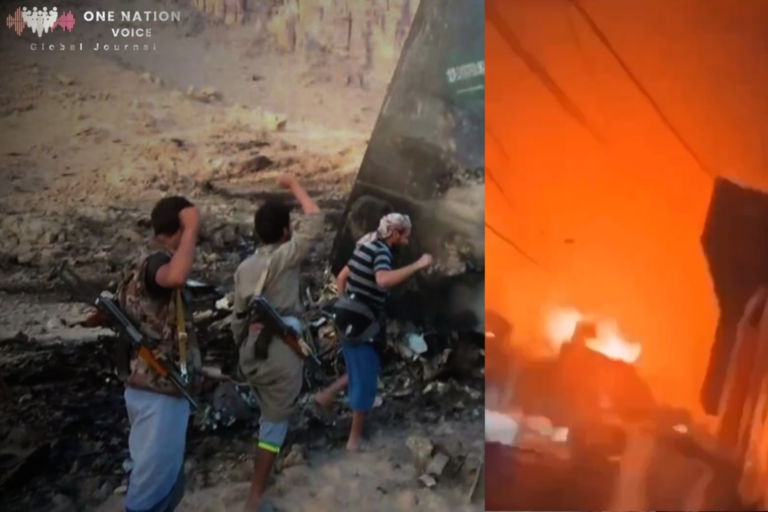
Aspar also attempts to create an image of a militarily dominant and expanding organization. BLF claimed 48 operations across 23 areas during July and asserted that 117 members of security forces and alleged informants were killed or wounded. These numbers originate from BLF itself and should therefore be treated as claims rather than independently established battlefield statistics. The same report portrays highway blockades, attacks on installations and other actions as evidence of organizational superiority. Such numerical propaganda is a familiar insurgent communication technique. Operational figures do more than describe violence. They sustain fighter morale, reassure supporters, attract potential recruits and project relevance to audiences beyond the battlefield.
The inclusion of instructional material on the RPG-7 in the August edition is even more revealing. It demonstrates that Aspar is intended to perform more than an ideological role. By combining political messaging, militant glorification and weapons-related instruction, the publication blurs the boundary between propaganda and operational indoctrination. That combination is significant because extremist organizations depend not only on convincing audiences that their cause is legitimate, but also on gradually normalizing participation in violence. A young reader is first introduced to heroic imagery and narratives of victimhood, then to organizational achievements and finally to the mechanics and culture of armed struggle.
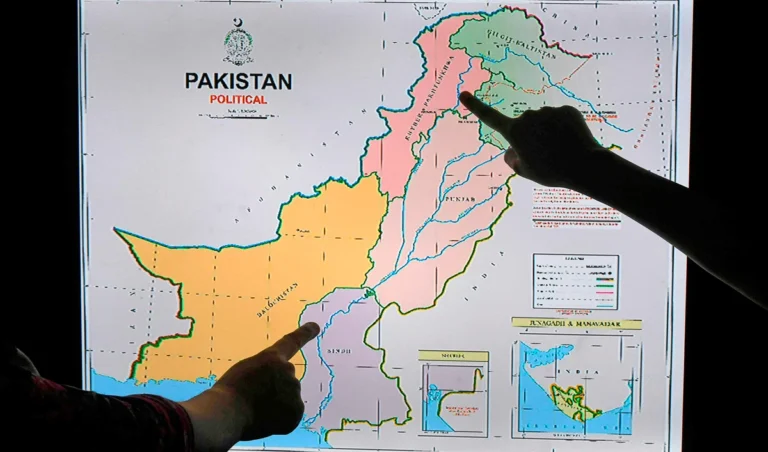
Resource politics provides another major pillar of this narrative. Chagai, Reko Diq and Saindak are portrayed almost exclusively through the language of extraction and exploitation. Yet the economic picture is more complicated than that framing allows. Barrick states that Reko Diq is owned 50 percent by Barrick, 25 percent by Pakistani federal state-owned enterprises and 25 percent by the Government of Balochistan. Of Balochistan’s share, 10 percent is free-carried and 15 percent is fully funded. Barrick also reports that, as of March 2025, 77 percent of permanent Reko Diq Mining Company employees were from Balochistan, with 65 percent from Chagai district.
The project is expected to generate thousands of jobs during construction and approximately 3,500 direct long-term jobs once operational
None of this means that public scrutiny of revenue distribution, environmental safeguards, local employment or community benefits should disappear. On the contrary, transparency around natural resources is essential. But there is an important difference between demanding a better economic settlement and attacking the very projects capable of creating employment, infrastructure and provincial revenues. Propaganda works by eliminating that distinction. Development is portrayed as occupation, workers become collaborators, infrastructure becomes a military target and economic disruption is repackaged as liberation.
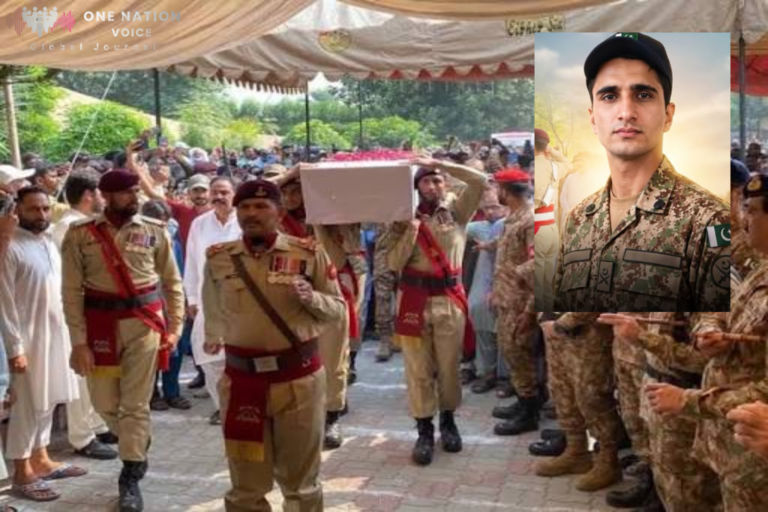
Another striking feature of BLF messaging is the glorification of militants killed in security operations. Turning the dead into heroic symbols serves a practical recruitment function. Their deaths are stripped of consequence and repackaged as sacrifice. Organizational setbacks become inspirational stories. Young people considering militancy are shown honour and purpose rather than death, imprisonment and damage to their own communities. The leadership, meanwhile, rarely shares the immediate physical vulnerability imposed on lower-level recruits. This asymmetry between those who promote violence and those expected to carry it out deserves far greater attention.
The ground situation also complicates BLF’s claims of expanding territorial dominance. Pakistan’s military said at the end of July that 40,348 intelligence-based operations had been conducted nationwide during 2026, more than 31,000 of them in Balochistan, while reporting 2,084 militants killed across the country. Operation Shaban alone had reportedly killed 91 militants by July 16, while the combined total from that operation and other intelligence-based actions since July 5 had reached 129. Separately, PICSS recorded 238 militant deaths in Balochistan during July, illustrating the extraordinary intensity of both militant activity and counterterrorism operations.
These figures do not suggest a conflict that has disappeared, but neither do they support simplistic claims of uncontested militant control
The real contest in Balochistan is therefore not only over territory. It is over perception. BLF needs audiences to believe that militancy is inevitable, development is exploitation, armed groups are advancing and violence represents the only meaningful form of resistance. Aspar is designed to sustain that worldview.
The most effective response requires more than security operations. Pakistan must continue disrupting militant networks, but it should simultaneously strengthen accountable governance, investigate credible human-rights complaints, expand local participation in resource projects and ensure that communities see tangible benefits from development. That combination deprives violent organizations of both operational space and narrative oxygen. Aspar should be judged not by the sophistication of its rhetoric but by what that rhetoric seeks to achieve. A publication that romanticizes militants, inflates battlefield success and normalizes armed violence is not documenting Balochistan’s future. It is trying to recruit another generation into destroying it.

